
Unexpected events such as natural disasters, power outages, or other crises underscore the necessity of being well-prepared. One of the primary concerns during these emergencies is ensuring a consistent food supply. An understanding of how to properly store food can be invaluable, ensuring that individuals and families have access to nutritious meals even when external resources become scarce. This guide aims to shed light on the essentials of storing food for emergency situations, starting with understanding the nature of these emergencies and progressing to the basics of efficient food storage.
Understanding Emergency Situations
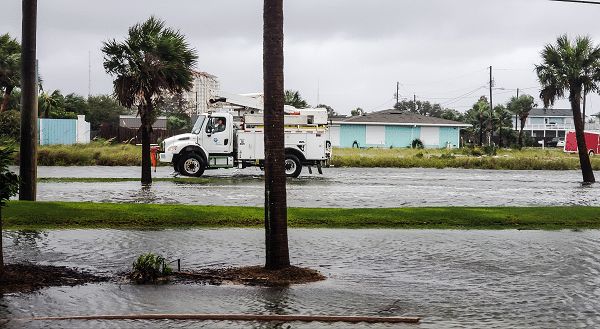
Natural disasters like hurricanes, earthquakes, or floods can disrupt daily life, affecting access to basic necessities. Apart from natural disasters, situations like economic downturns or extended power outages can also lead to food shortages or limited access to fresh produce. Knowing what defines an emergency helps in better preparing for the potential food challenges that may arise.
A common misconception is that emergencies are always sudden, giving no time for preparation. While some events are unpredictable, many situations, like looming storms or economic downturns, provide some warning signs. Recognizing these signs and understanding the type of emergency allows for targeted preparation, ensuring that the food stocked aligns with the potential challenges of that specific emergency.
Fundamentals Of Food Storage

Storing food is not just about having a supply; it’s about maintaining the quality, freshness, and nutritional value of the items stored. Choosing the appropriate storage location, away from direct sunlight and in cool, dry places, can significantly enhance the longevity of food items. Moreover, the right containers, preferably airtight and made of food-safe materials, can protect contents from external contaminants.
Beyond the physical aspects of storage, there are practices that streamline the process. Rotating stock ensures that items are consumed before they go bad, while clear labeling with dates of purchase or expiration prevents waste and ensures safety. Keeping an organized inventory aids in understanding what is available and what might be needed, ensuring a balanced and varied food supply during emergencies.
Choosing Long-Lasting Foods
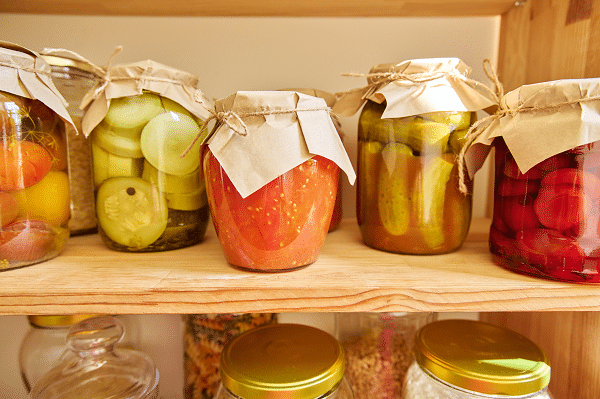
One of the primary considerations when preparing for emergencies is the selection of foods that possess long shelf lives. Grains such as rice, quinoa, and oats, for instance, can be stored for extended periods without losing their nutritional integrity. Likewise, canned goods, from vegetables and fruits to beans and soups, offer both durability and variety, making them invaluable additions to any emergency food supply.
Another category to consider is dried foods. Items like dried fruits, lentils, and pasta can remain viable for months or even years if stored correctly. Additionally, vacuum-sealed foods and freeze-dried meals, often found in camping sections of stores, provide convenient, nutritious options that require minimal preparation. These foods not only ensure sustenance during crises but also contribute to a balanced diet, which is crucial for maintaining health and energy levels during challenging times.