
Many households unknowingly waste money on items that seem essential but are often overused, overpriced, or entirely unnecessary. These small, everyday expenses may appear insignificant, but over time, they can add up to a significant financial drain. From disposable products to unnecessary luxuries, a surprising number of items can quietly eat away at a budget. This article will explore some of the most common household money wasters and provide practical tips to help families save.
Contents
- 1 Paper Products: Overused and Overspent
- 2 Cleaning Supplies: The Overload Trap
- 3 Bottled Water: The Silent Budget Drainer
- 4 Name-Brand Groceries: Is the Premium Worth It?
- 5 Energy-Sucking Electronics and Appliances
- 6 Subscription Services You Forgot About
- 7 Personal Care Products: Overpriced Luxuries
- 8 Impulse Buys: The Grocery Store Trap
- 9 A New Financial Perspective: Smart Habits for Saving
Paper Products: Overused and Overspent
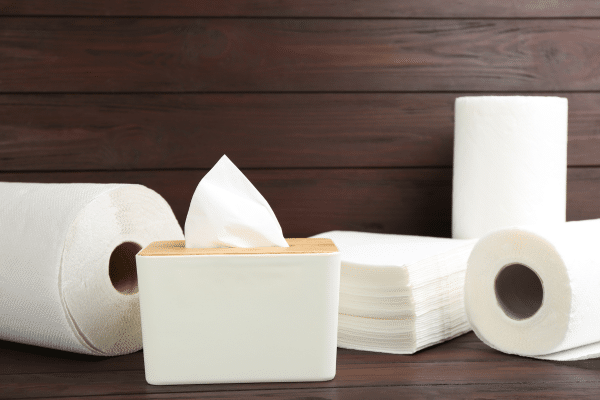
Disposable paper products such as paper towels, napkins, and tissues are household staples, but they also represent a recurring expense that can quickly add up. Many people use paper towels for everything from cleaning spills to wiping hands, often without considering the long-term cost. By switching to reusable alternatives like microfiber cloths or washable napkins, households can significantly reduce these expenses while adopting more eco-friendly practices.
The convenience of single-use items often overshadows their financial impact. Premium-brand paper products, in particular, can cost double the price of generic or bulk alternatives. While these high-priced products may claim to offer superior quality, many generic options provide similar performance at a fraction of the cost. Making smarter choices about paper product purchases can lead to substantial savings over time.
Cleaning Supplies: The Overload Trap

Households often stockpile cleaning products, falling into the trap of buying specialized cleaners for every surface. Advertisements suggest a need for a separate cleaner for glass, wood, tile, and countertops, creating a sense of necessity for products that are often redundant. Multipurpose cleaners or DIY solutions made from common items like vinegar and baking soda can tackle most cleaning needs without the added expense.
Another issue is the tendency to over-purchase cleaning supplies. Many products end up unused or forgotten under the sink, leading to unnecessary waste. Instead of buying in bulk or taking advantage of sales, it’s wiser to purchase smaller quantities as needed. This approach not only saves money but also ensures that products are used before their effectiveness diminishes.
Bottled Water: The Silent Budget Drainer

Purchasing bottled water is one of the most common yet avoidable household expenses. While it may seem convenient, the cost of buying bottled water regularly far exceeds the price of investing in a quality water filter. Over a year, the cumulative expense of bottled water can be shocking, especially when compared to the minimal cost of reusable water bottles and filtration systems.
Beyond the financial implications, bottled water also contributes to significant environmental waste. Switching to a reusable bottle and filtering tap water at home not only saves money but also reduces plastic consumption. Many families find that making this simple change drastically cuts their weekly grocery bills while promoting sustainable habits.
Name-Brand Groceries: Is the Premium Worth It?

The grocery aisle is a prime example of how brand loyalty can lead to overspending. Shoppers often reach for well-known brands out of habit, assuming they offer better quality than store-brand alternatives. However, many store brands provide comparable quality at a much lower cost, especially for pantry staples like sugar, flour, and canned goods.
Marketing plays a powerful role in convincing consumers that premium brands are worth the extra expense. Eye-catching packaging and clever slogans can influence purchasing decisions, even when the actual product differences are minimal. Conducting a simple taste test or reading ingredient labels can help consumers break free from brand loyalty and discover cheaper alternatives without sacrificing quality.
Energy-Sucking Electronics and Appliances
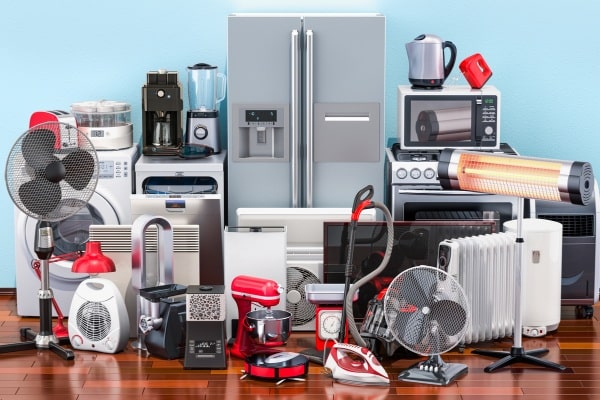
Many households unknowingly waste money on outdated or inefficient appliances. Older refrigerators, washing machines, and other large appliances often consume more energy than newer, energy-efficient models. While the upfront cost of upgrading may seem high, the long-term savings on utility bills often outweigh the initial investment.
Another hidden cost comes from leaving electronics and appliances plugged in when not in use. Devices in standby mode, such as TVs, game consoles, and chargers, continue to draw power, leading to higher energy bills. Using smart plugs or simply unplugging unused devices can make a noticeable difference in monthly utility costs.
Subscription Services You Forgot About

The rise of subscription-based services has made it easy to lose track of recurring expenses. From streaming platforms to meal kits, many subscriptions go unnoticed or unused after the initial excitement wears off. These small monthly fees, when added together, can amount to hundreds of dollars annually for services that may no longer be needed.
Auto-renewal policies often trap consumers into paying for subscriptions they intended to cancel. Keeping a detailed list of active subscriptions and setting reminders to review them periodically can help households identify unnecessary expenses. Canceling unused services is a simple way to free up extra cash each month without making significant lifestyle changes.
Personal Care Products: Overpriced Luxuries

Personal care items like shampoos, lotions, and cosmetics are another area where money is often wasted. Many premium brands come with hefty price tags, yet their performance may not justify the cost. Affordable alternatives, including drugstore brands or minimalist product routines, can meet the same needs without the financial burden.
Another issue is the tendency to over-purchase or stockpile personal care products, many of which expire before being used. Keeping track of usage habits and buying only what is necessary can help minimize waste. By focusing on essentials and avoiding overindulgence, households can significantly reduce spending on personal care.
Impulse Buys: The Grocery Store Trap

Grocery stores are designed to encourage impulse purchases, with strategically placed items like candy, snacks, and magazines near the checkout line. These small, unplanned buys may seem harmless but can add up quickly over time. Creating and sticking to a shopping list is an effective way to avoid falling into this trap.
Buying in bulk can also lead to unnecessary spending when items are not consumed before they expire. While bulk deals may seem cost-effective, they are only worthwhile if the products are genuinely needed and used. Evaluating bulk purchases carefully ensures that money is spent wisely without contributing to waste.
A New Financial Perspective: Smart Habits for Saving
Adopting smarter spending habits can transform household finances and reduce waste. By recognizing and addressing common money-wasting behaviors, families can take control of their budgets and make more informed purchasing decisions. Small changes, like switching to reusable alternatives or reviewing subscription services, can lead to significant savings over time.
Mindful spending not only reduces unnecessary costs but also encourages sustainable practices. With a little effort and awareness, households can turn wasteful habits into opportunities for financial growth and environmental responsibility. These changes pave the way for a more economical and fulfilling lifestyle.