
Asbestos, once a popular building material, is now a silent threat in many older homes. Its widespread use in construction before the 1980s leaves a risk legacy, particularly in buildings without recent renovations. This article delves into the hidden dangers of asbestos, exploring its history, identification, health risks, and safe removal methods. Understanding these risks is essential for homeowners, as they impact their health and their legal and insurance aspects. The following sections provide a comprehensive guide to navigating the complexities of asbestos in older homes, emphasizing the importance of awareness and appropriate action.
Contents
The History of Asbestos in Home Construction
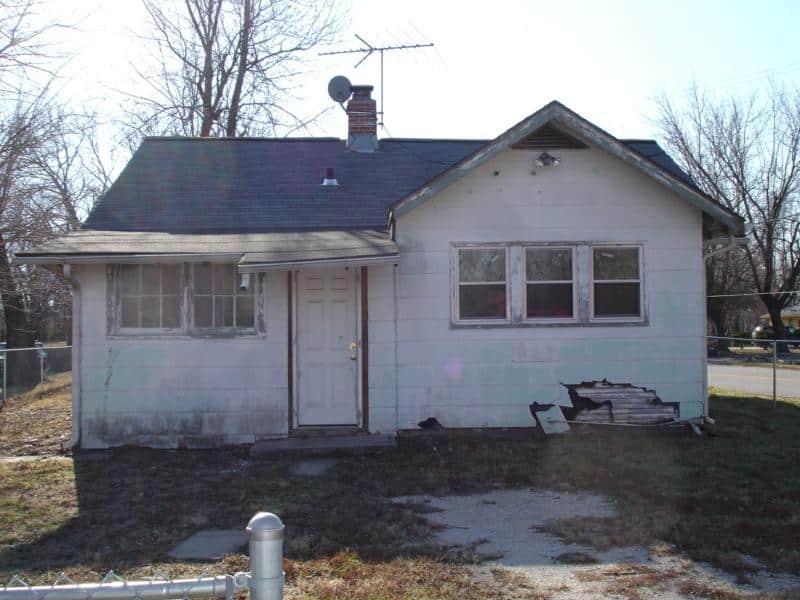
Asbestos, a naturally occurring mineral, was once hailed for its heat resistance and durability, making it a favored material in the construction industry. It was used extensively from the early 20th century and featured insulation, roofing, and even flooring. This widespread use was largely due to its fire-resistant properties, affordability, and versatility. However, the golden era of asbestos in construction ended abruptly as its health hazards became evident.
The shift in perception towards asbestos began in the latter half of the 20th century. Medical research linked asbestos exposure to serious health conditions, leading to stricter regulations and an eventual ban in many countries. This change reflected a growing understanding of occupational safety and public health. Yet, despite these regulations, many older homes still contain asbestos, posing a risk to uninformed homeowners.
Identifying Asbestos in Your Home
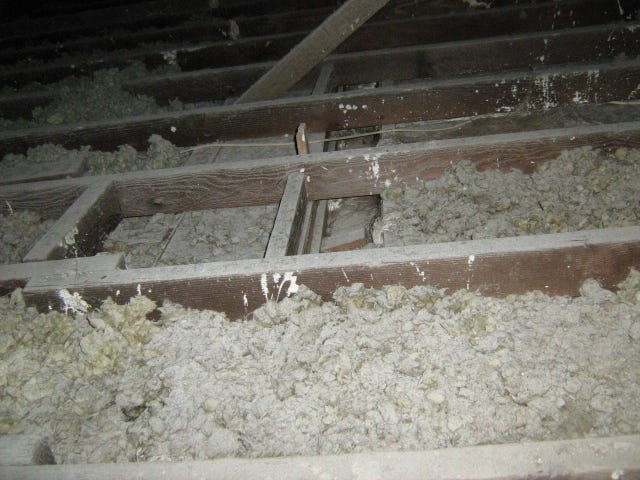
Identifying asbestos in older homes is a challenge because it’s often hidden within other materials. Asbestos was commonly used in insulation, floor tiles, roof shingles, and joint compounds. Homes constructed before the 1980s are particularly at risk. Recognizing asbestos-containing materials requires a keen eye; they often have a fibrous appearance and a dull color, but confirmation usually necessitates professional testing.
The danger of asbestos lies dormant until it’s disturbed – during renovations, repairs, or damage. Disturbed asbestos releases fibers into the air, becoming a health hazard. Homeowners must be cautious, especially if their homes have not been updated or inspected for asbestos. If there’s suspicion of asbestos, it’s crucial to avoid disturbing it and seek professional advice.
Health Risks Associated with Asbestos

Asbestos exposure is linked to severe health issues, primarily affecting the lungs. Inhaling asbestos fibers can cause conditions like mesothelioma, a rare and aggressive cancer, as well as asbestosis and lung cancer. These diseases often have a long latency period, meaning symptoms may not appear until decades after exposure.
The risk of developing asbestos-related diseases depends on the duration and intensity of exposure. Individuals working in construction or industries where asbestos is prevalent face higher risks. However, even homeowners can be exposed during renovations or in deteriorating buildings. This makes it crucial to address asbestos concerns proactively in older homes.
Professional Asbestos Inspection and Testing

Professional asbestos inspection is critical in managing the risks associated with older homes. Certified inspectors can identify potential asbestos-containing materials, assess their condition, and recommend further action. This process typically involves visual examinations and may include collecting samples for laboratory testing.
Professional testing is necessary to confirm its presence if asbestos is suspected or found. Testing involves analyzing samples under a microscope to detect asbestos fibers. The results guide homeowners in deciding whether asbestos removal or management is required. Understanding the presence and condition of asbestos is crucial for ensuring the safety of the home environment.