

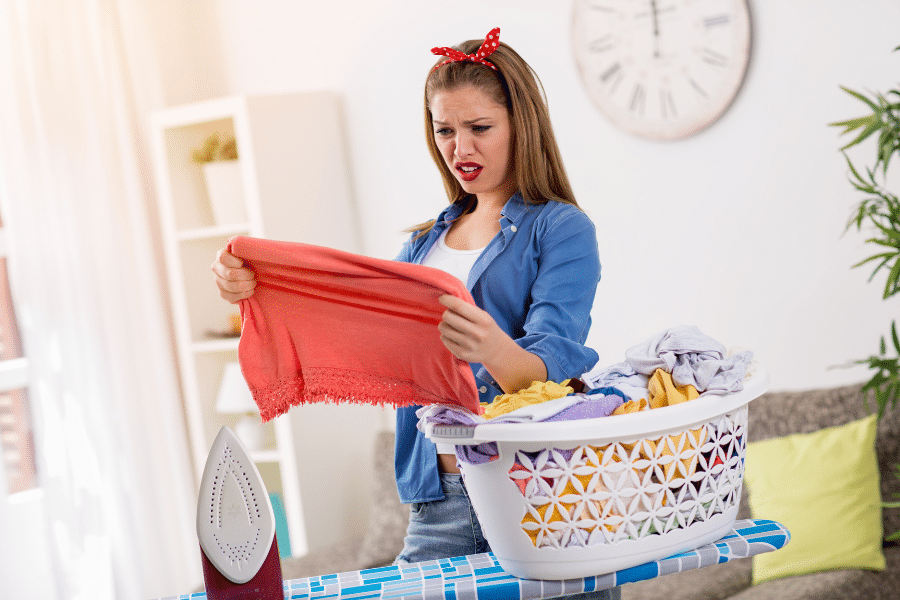
Stains are an unavoidable part of life. From an accidental wine spill during a dinner party to the mascara smudge after a tearful movie, these blemishes often leave you frustrated and scrambling for solutions. Thankfully, understanding the nature of the stain and the best methods for its removal can save both time and treasured possessions. This guide delves into the techniques and remedies for tackling some of the most common culprits, ensuring that garments and surfaces remain pristine and vibrant.
Wine

Red wine is a delightful companion to a meal but a dreaded foe to fabrics. The rich pigments that give wine its deep hue are also responsible for the notoriously challenging stains it can leave behind. Immediate action is crucial; blotting the spill gently without rubbing can prevent it from setting. Many swear by the efficacy of club soda, while others turn to salt or baking soda as absorbent solutions. Household items like hydrogen peroxide combined with dish soap have also proven to be champions against wine stains, especially when employed promptly.
While an immediate response to a wine spill is ideal, sometimes it’s just not feasible. For those moments when the stain has settled and dried, fear not. Soaking the affected garment in a mixture of warm water and salt can often loosen the residue. Following this, a targeted application of a trusted stain remover before washing can lead to optimal results. For delicate fabrics, consulting a professional dry cleaner with experience in wine stain removal might be the best course of action.
Makeup

Makeup, while a marvel for enhancing natural beauty, can become a cleaning nightmare when it lands anywhere other than the intended face. The vast world of cosmetics, from long-wear foundations to waterproof mascaras, means a one-size-fits-all removal approach simply won’t suffice. Oil-based makeup removers, for instance, are adept at breaking down substances like lipstick or foundation. Blotting, rather than rubbing, ensures the stain doesn’t further penetrate the fabric.
Mascara and eyeliner, especially the waterproof varieties, have their own set of challenges. A dab of alcohol-free hair spray on the stain before washing can be a secret weapon in these situations. For powder-based spills, such as eyeshadows or blushes, shaking off as much of the powder as possible before gently using a mixture of liquid detergent and water can do wonders. Always remember to check the stained area after washing and before drying, as heat can set the stain permanently.
Ink
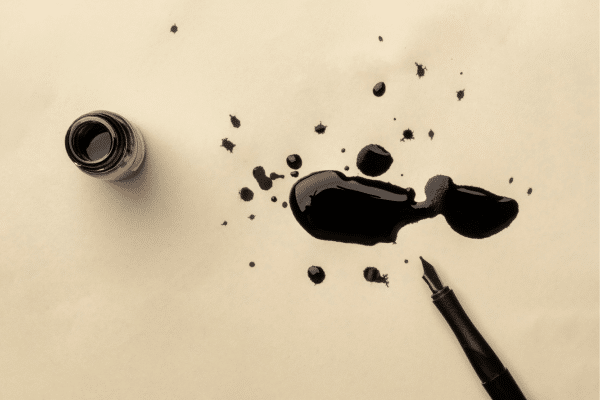
Ink, whether from a leaky pen or an accidental brush of a marker, has a pesky way of leaving its mark, especially on clothes. The diverse range of ink types, from ballpoint to gel, means each stain might need a tailored approach. For ballpoint ink, a dab of rubbing alcohol on a cloth can be applied to the stain, working from the outside in to prevent the stain from spreading. Gel ink, on the other hand, often requires specialized stain removers due to its thick consistency.
Fountain pen inks, primarily water-based, can be a bit easier to tackle. Cold water rinsing is an initial approach. Gently applying a mixture of salt and lemon juice to the stain can be effective, given the acid’s natural bleaching properties. Remember, regardless of the ink type, it’s vital to treat the stain as soon as possible. Rinse and repeat the treatment if needed, always checking the stain before drying the fabric.