


Oil And Grease
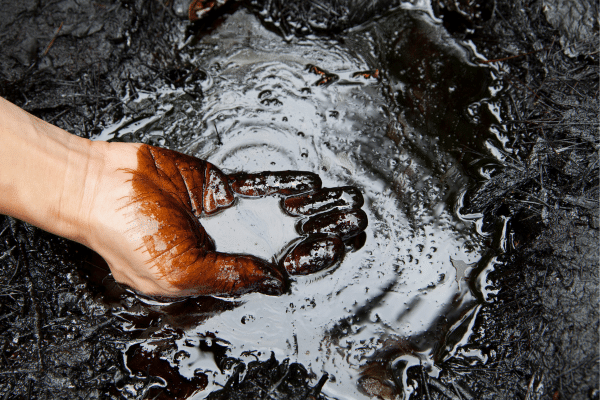
Few stains cause as much dread as oil and grease, notorious for their resilience and persistence. These hydrophobic substances repel water, adhering strongly to fibers, making them particularly tricky. Immediate action can save a lot of heartache. Talcum powder or cornstarch acts as a great absorbent, drawing out the oil when sprinkled onto the stain and left for a few hours.
Once the powder has done its job, brushing it off gently and then treating the stain with a few drops of liquid dish detergent — which is designed to combat grease — can be effective. Rubbing the detergent gently on the stain and rinsing it with warm water can often yield positive results. For stubborn or older oil stains, it might be necessary to repeat this process or even seek the help of a professional cleaner.
Coffee

A morning without coffee is unimaginable for many, but spills are all too common in the rush of the day. The tannins in coffee give it its color but also contribute to its staining potential. Acting quickly can prevent a permanent blemish. Blotting the spill immediately, without rubbing, can prevent deeper penetration into the fabric. Following this up by rinsing the stain with cold water, from the back of the stain to push it out, can be quite effective.
For dried coffee stains, a pre-soak in a solution of warm water, liquid detergent, and a touch of white vinegar for about 15 minutes can prepare the fabric for washing. Then, wash the garment as usual, but avoid drying until certain the stain is completely gone. For more delicate fabrics or large, stubborn spills, consider seeking a professional’s advice or services.
Blood

Blood stains, whether from a minor cut or a nosebleed, can be startling and challenging to handle. The protein in blood can cause it to bind strongly to fabrics, especially when exposed to heat. It’s crucial to use cold water when treating fresh blood stains, as hot water can cause the protein to set. Gently blotting the stain with a cloth soaked in cold saltwater or hydrogen peroxide can effectively break down the stain’s components.
For dried blood stains, rehydration is the key. Soak the stained fabric in a mixture of cold water and a small amount of salt. After several hours, scrubbing the stain gently with a soft toothbrush can help lift it from the fabric. A drop of dish detergent or shampoo, known to combat protein-based stains, can also be beneficial. After treatment, wash the fabric in cold water, ensuring the stain is gone before any drying.
Grass

Grass stains, a testament to outdoor fun and games, can be a laundry nightmare. The chlorophyll in grass gives it that vibrant green hue, but it’s also the culprit behind those stubborn stains. As with most stains, acting quickly can make a world of difference. Gently blotting (not rubbing) the stain and then rinsing it with cold water can prevent it from setting deep within the fabric’s fibers.
A solution of warm water and white vinegar, in equal parts, serves as an effective pre-treatment for grass stains. After letting the garment soak for about 30 minutes, apply a dab of liquid detergent directly to the stain and scrub gently. Rinse and wash as usual, making sure the stain has disappeared before exposing the fabric to the heat of a dryer.
The Bottom Line
Stains are an integral part of life’s experiences, reflecting moments of joy, accidents, and daily challenges. While they can be daunting, understanding the nature and cause of each stain offers a roadmap to effectively combating them. With the right knowledge, tools, and a bit of patience, maintaining the brilliance and longevity of cherished garments and surfaces becomes a more achievable task. Whether it’s the reminiscence of a picnic in the form of a grass stain or a memory of a morning rush via a coffee spill, each stain has a story and, fortunately, a solution.