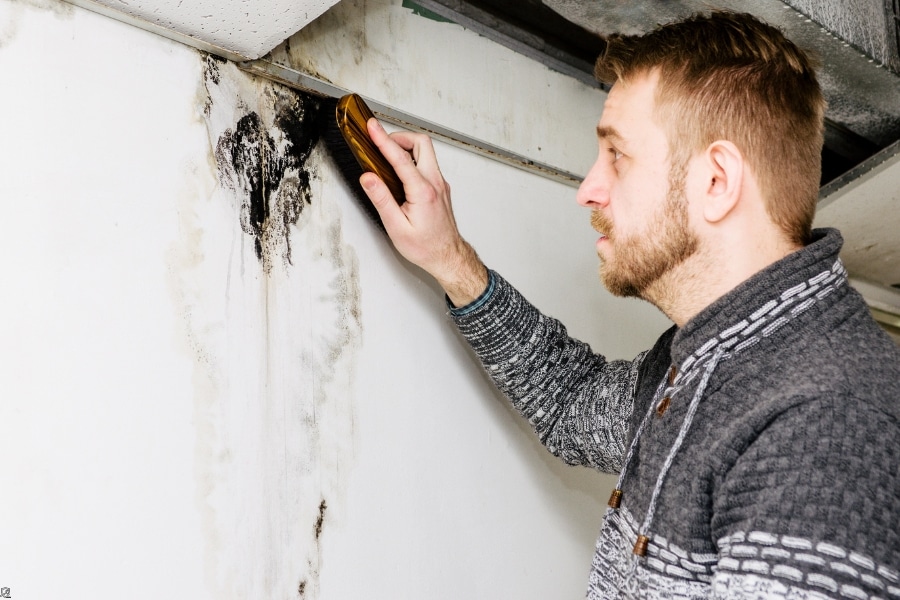
Water damage can be one of the most devastating and costly issues a homeowner can face. From minor leaks to major flooding, water can cause significant structural damage, promote mold growth, and lead to costly repairs. Protecting your home from water damage is essential to maintain its value, ensure safety, and avoid expensive restoration work. By implementing preventive measures, regular maintenance, and effective landscaping, homeowners can significantly reduce the risk of water damage. This article will explore the best ways to protect your home from water damage, covering essential maintenance checks, waterproofing solutions, and effective landscaping practices.
Contents
Regular Maintenance Checks

Regular maintenance checks are crucial in preventing water damage. Start with inspecting your roof for any signs of leaks or damage. Look for missing or damaged shingles, and check around chimneys and vents for wear and tear. Even small issues can lead to significant water infiltration if left unaddressed. Regularly scheduled roof inspections, especially after severe weather, can help identify and fix problems before they escalate.
Another vital maintenance task is keeping your gutters and downspouts clear of debris. Blocked gutters can cause water to overflow and pool around your home’s foundation, leading to potential water damage. Clean your gutters at least twice a year and ensure that downspouts direct water at least three feet away from the foundation. Additionally, inspect the seals around windows and doors, repairing or replacing any damaged ones to prevent water from seeping into your home.
Waterproofing Solutions

Waterproofing your home is a proactive way to prevent water damage. Exterior waterproofing involves applying waterproof coatings to foundation walls and installing drainage systems around the foundation. These measures help to keep water away from the foundation and reduce the risk of seepage into the basement or crawl space. Regular inspection and maintenance of these systems are essential to ensure their effectiveness over time.
Interior waterproofing is equally important. Using sealants on basement walls and floors can create a barrier that prevents water from entering. Installing a sump pump is another effective solution, especially in areas prone to flooding. A sump pump can automatically remove excess water from the basement, preventing it from causing damage. Regularly test and maintain the sump pump to ensure it is in good working condition, ready to protect your home when needed.
Landscaping and Drainage

Proper landscaping and drainage are vital in managing water flow around your home. Ensure your yard is graded correctly so the ground slopes away from the house. This prevents water from pooling near the foundation, which can lead to seepage and structural damage. Regularly check the grading and make adjustments as needed, especially after heavy rains or landscaping changes.
Installing French drains is an effective way to divert water away from your home. French drains consist of gravel-filled trenches with perforated pipes that redirect water away from the foundation. These drains help manage water flow and reduce the risk of water damage. Additionally, consider your planting choices. Use plants that absorb excess water and avoid planting too close to the foundation, as roots can interfere with drainage and cause structural issues. Properly designed landscaping can significantly reduce the risk of water damage to your home.
Plumbing Maintenance
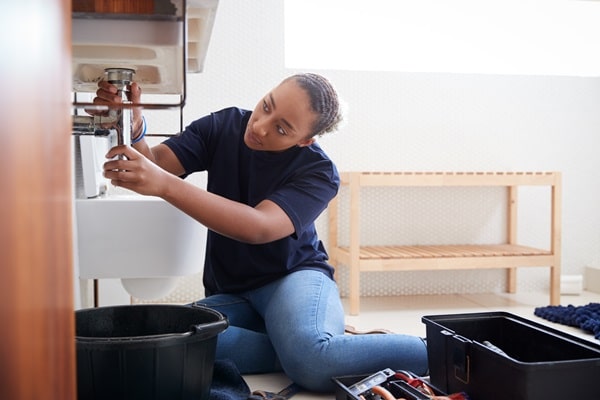
Maintaining your home’s plumbing system is critical in preventing water damage. Regularly inspect your plumbing for leaks and signs of corrosion, paying particular attention to areas under sinks, around appliances, and near water heaters. Catching small leaks early can prevent them from becoming major problems. It’s also a good idea to have a professional plumber conduct annual inspections to identify and address potential issues before they escalate.
Installing water leak detectors can provide an extra layer of protection. These devices can be placed in key areas such as under sinks, behind appliances, and in basements. They alert you to the presence of water, allowing you to address leaks promptly before significant damage occurs. Additionally, replacing old pipes with modern materials that resist corrosion and damage can further safeguard your home from water damage. Regular maintenance and timely upgrades to your plumbing system are essential steps in water damage prevention.
HVAC System Care
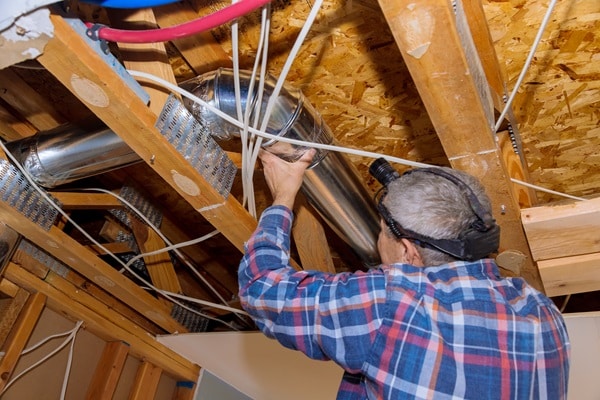
Proper care of your HVAC system is another important aspect of preventing water damage. Regularly maintain your HVAC units by checking for leaks and ensuring proper drainage. Air conditioning units, in particular, can generate a significant amount of condensate, which needs to be drained away effectively to prevent water buildup. Make sure filters are cleaned or replaced regularly to ensure proper airflow and reduce the risk of system malfunctions that could lead to leaks.
Installing a condensate pump can be a smart addition to your HVAC system. This pump helps to efficiently remove the water that accumulates from the HVAC system, directing it to an appropriate drainage area. Additionally, insulating your HVAC ducts can prevent condensation from forming, which can cause water damage and decrease energy efficiency. Regular HVAC maintenance, including professional inspections, can help identify and fix potential issues before they cause water damage to your home.
Emergency Preparedness
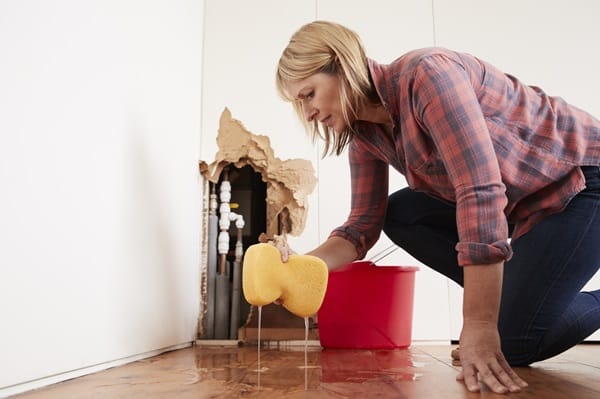
Being prepared for potential water emergencies is crucial in minimizing damage. Develop a water damage response plan that includes identifying the location of shut-off valves and knowing how to use them. Make sure everyone in your household is familiar with this plan and knows the location of emergency tools such as a wet/dry vacuum, dehumidifiers, and fans. These tools are essential for quickly addressing water intrusion and preventing further damage.
Equipping your home with water leak detectors and smart leak detection systems can provide early warnings of potential problems. These devices can alert you in real-time if they detect water, allowing for a swift response. Conduct regular drills to ensure everyone knows how to react in case of a water emergency. By having a well-thought-out plan and the necessary tools and knowledge, you can significantly reduce the impact of water damage on your home.
Water Damage Prevention
Preventing water damage requires proactive measures and regular maintenance. By conducting routine inspections, implementing waterproofing solutions, and ensuring proper landscaping and drainage, homeowners can protect their properties from costly and damaging water issues. Additionally, maintaining plumbing and HVAC systems and being prepared for emergencies are crucial steps in safeguarding your home. Implementing these strategies will help ensure your home remains safe, dry, and structurally sound. Stay vigilant and address any potential water issues promptly to maintain the integrity and value of your home.