

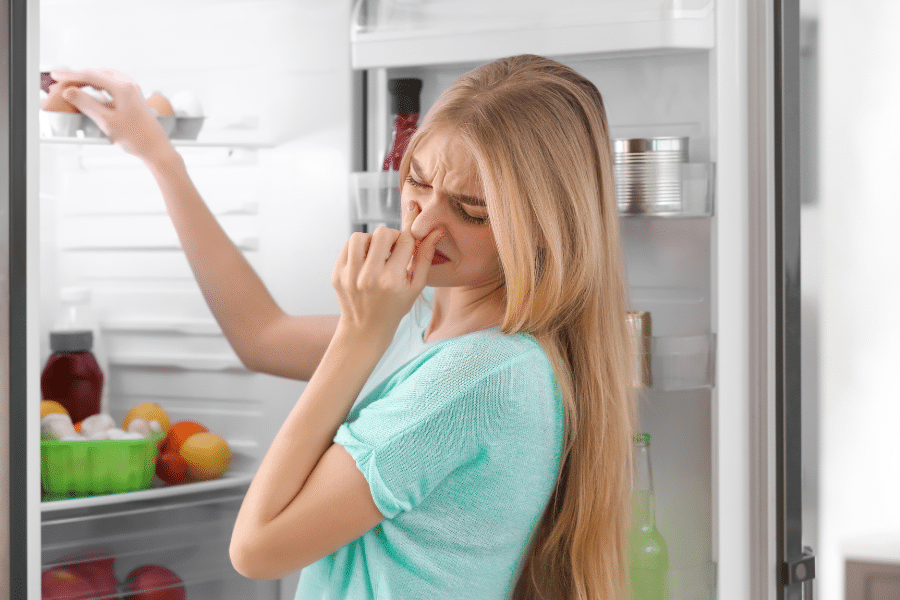
Tactile Clues: How Food Feels

The feel of food can often reveal a lot about its freshness. For instance, fresh fish should be firm to the touch, while if it feels slimy or overly soft, it might be on the brink of spoiling. Similarly, fresh vegetables like lettuce or bell peppers should be crisp. If they feel limp or overly soft, they might be past their prime.
Texture changes can sometimes be subtle, so it’s crucial to pay close attention. Grains or rice that become sticky, or canned goods that feel unusually thick, might indicate spoilage or contamination. However, it’s also essential to understand that some changes in texture might occur due to natural processes, like the ripening of fruits, and don’t always signal that food is unfit for consumption.
Tech And Gadgets: Modern Ways to Check Food Freshness
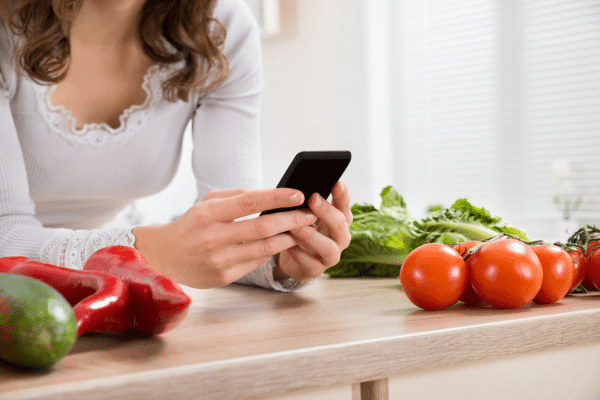
Technology has come a long way in assisting with everyday tasks, including assessing food freshness. Various gadgets and sensors can now detect changes in food that might not be immediately visible or perceivable through smell or touch. For instance, there are smart containers available that track the degradation of food contents over time and notify users before the food spoils.
Mobile applications, too, have jumped on this bandwagon. Many apps allow users to log food items and their respective purchase dates, sending reminders as the estimated shelf life approaches its end. While these tech aids can be handy, it’s essential to remember they’re based on algorithms and estimates. They should complement, not replace, personal judgment and the traditional methods of checking food quality.
Taste At Your Own Risk

Tasting food to determine freshness can be a double-edged sword. While it might seem like a direct method, it comes with its set of risks. For example, if food has begun to spoil and contains harmful bacteria, even a small taste can lead to food poisoning. Foods like mayonnaise-based salads or dishes containing raw eggs can be particularly risky if consumed after spoiling.
However, certain products, like fermented foods or sourdough, naturally possess strong or tangy flavors, which might be mistaken for spoilage. It’s crucial to be familiar with the original taste profile of such foods. For most other products, if there’s any doubt about its safety after employing the sight, smell, and touch tests, it’s better to err on the side of caution and avoid tasting altogether.
The Bottom Line
Ensuring that food remains fresh is a multifaceted task that demands vigilance, knowledge, and occasionally, technology. It’s a balance of trusting one’s senses while also being informed about the various factors that influence food degradation. Spoiled food not only detracts from the culinary experience but poses health risks. By combining traditional techniques with modern tools, one can confidently navigate the kitchen, ensuring meals are not only delicious but safe to consume.