
Contents
Plastic Containers
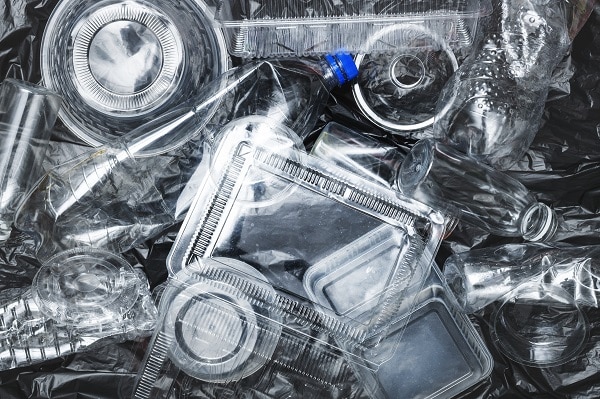
Plastic containers seem harmless and incredibly convenient for storing leftovers or packing lunch. However, many plastic containers contain bisphenol A (BPA), a chemical linked to hormonal imbalances and potential carcinogenic effects. The risk is especially high when these containers store hot food or liquids, as the heat can cause BPA to leach into the food.
Alternatives to plastic containers are not hard to find. Glass containers, for instance, are a healthier and more eco-friendly choice. Stainless steel containers are also an excellent option, especially for packing lunches. These alternatives do not contain harmful chemicals like BPA, ensuring your food remains uncontaminated.
Microwave Ovens

While microwave ovens offer the convenience of quick cooking and reheating, there’s ongoing debate about their safety. Some studies indicate that microwave radiation can affect the nutrient content in food, reducing its nutritional value. Additionally, microwaving food in plastic containers can leach harmful chemicals into your meals.
If you’re concerned about these potential risks, there are alternatives. Conventional ovens, though less convenient, preserve nutrients better during cooking. Stovetop methods for reheating also pose fewer risks of nutrient loss. The key is to avoid using plastic containers in microwaves and consider alternative cooking methods when feasible.
Paints and Varnishes

It’s a common household task to occasionally repaint walls or varnish furniture. However, traditional paints and varnishes often contain volatile organic compounds (VOCs), which can contribute to various health issues. Long-term exposure to VOCs can result in chronic respiratory problems, headaches, and even liver or kidney damage.
The good news is that low-VOC and VOC-free paints are healthier options. They are just as effective as traditional paints but come without harmful chemicals. When planning your next home improvement project, look for these alternatives to ensure you’re not compromising your health.
Mattresses and Bedding
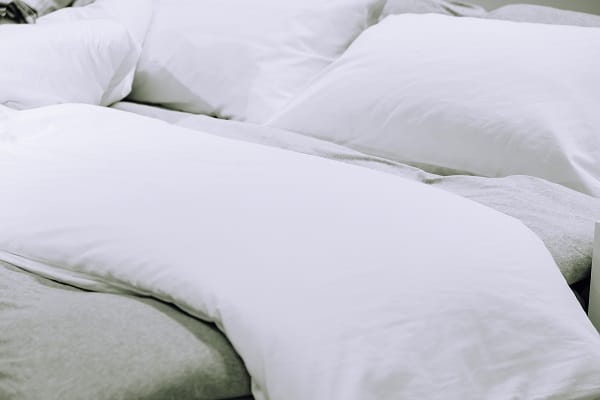
A third of one’s life is spent sleeping, but what if the very place of rest is a source of health concerns? Many mattresses and bedding materials are treated with fire-retardant chemicals, some of which have been linked to respiratory issues, skin irritation, and cancer.
If this worries you, organic or all-natural mattresses and bedding are safer. These products are free from harmful chemicals and often just as comfortable and durable as their synthetic counterparts. Look for certifications like GOTS (Global Organic Textile Standard) to ensure you make a healthier choice.
Personal Care Products
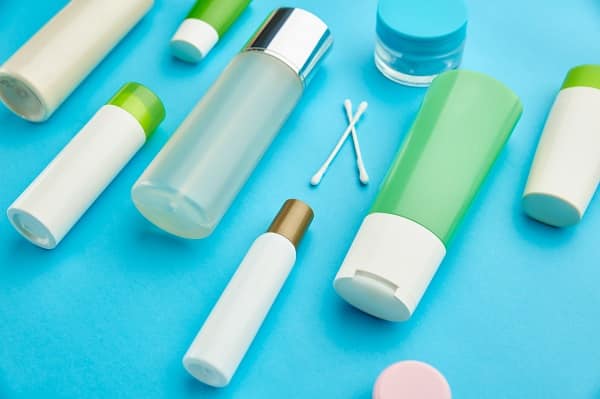
Shampoos, lotions, and other personal care items often contain chemicals such as parabens and phthalates. These substances are known endocrine disruptors and can lead to hormonal imbalances, among other health issues. Unfortunately, the risks accumulate over time because these products are used daily.
Consider switching to organic or natural personal care products to mitigate these risks. Look for labels that specify “paraben-free” or “phthalate-free.” These alternatives often contain ingredients that are not only less harmful but can be more beneficial to your skin and overall health.
The Bottom Line
The saying “better safe than sorry” especially applies to household items affecting your health. This blog post has highlighted the dangers lurking in everyday products—from air fresheners and non-stick cookware to mattresses and personal care items. The risks are real, but the good news is that healthier alternatives exist for almost everything. By making informed choices, you can create a home that is comfortable, convenient, and conducive to your well-being. Don’t just share this life-saving information—act on it. The first step to a healthier life begins at home.