
Introduce The Crate Gradually

The process of introducing a dog to a crate should be slow and filled with positive reinforcement. Forcing a dog into a crate can lead to fear and anxiety, making the training process much harder. Instead, using treats and praise to encourage the dog to enter the crate voluntarily can create positive associations.
Crate training should be a gradual process, starting with short periods and progressively increasing the time spent inside the crate. Every dog is unique, so it’s important to adapt the training speed to the individual dog’s comfort and confidence levels. Patience and perseverance during this stage of training can significantly impact the dog’s overall perception of the crate. Consistency is key to ensure the crate remains a positive space.
Develop A Crate Training Schedule
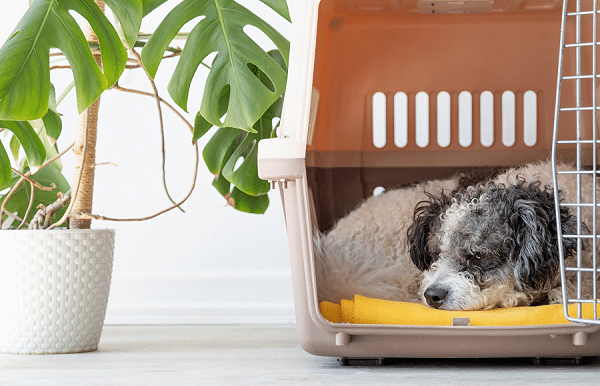
Developing a crate training schedule can reinforce the positive aspects of the crate. This doesn’t mean confining the dog for extended periods. Instead, align crate time with regular activities like meals, naps, or quiet evening periods. This can help establish the crate as part of the dog’s routine, making the transition smoother.
An effective crate training schedule should be tailored to the individual dog’s needs, factoring in its age, health, and temperament. Puppies, for instance, have limited bladder control and should not be crated for long periods. On the other hand, adult dogs might be able to handle longer crate durations, provided they have ample opportunities for exercise and interaction. Remember, the goal is to create a positive association, not to impose isolation or punishment.
Be Patient
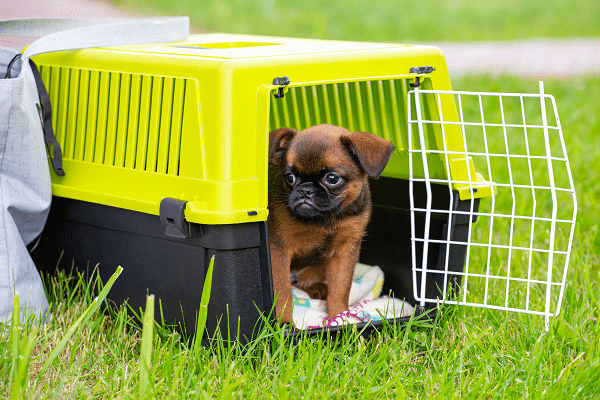
Navigating the path of crate training is an exercise in patience. It’s important to remember that every dog is unique, each with its own temperament, comfort levels, and pace of learning. Therefore, the process of adapting to a crate is bound to take time. Even though it might be tempting to rush through the process, especially when faced with challenges, patience becomes the key to success.
A patient approach allows for the gradual introduction and acceptance of the crate. It helps in understanding the dog’s responses better, thereby enabling tailored strategies that cater to the dog’s specific needs. Furthermore, patience becomes particularly crucial when dealing with negative behaviors. Reacting to whining or barking might provide immediate quiet, but it could also inadvertently reinforce these behaviors. Instead, keeping a cool head and maintaining consistency in the training schedule can help the dog understand what is expected and slowly adjust its behavior accordingly.
How To Know If Crate Training Is Working?

Recognizing the success of crate training often involves subtle cues. If a dog chooses to spend time in the crate willingly, it’s a clear indication that it perceives the crate as a safe and comfortable space. Other positive signs could include the dog sleeping in the crate without prompting or retreating to the crate when it needs some quiet time.
Despite the best efforts, sometimes, crate training might not go as planned. In such cases, consider reevaluating the training approach. Perhaps the crate location could be adjusted, the crate itself could be made more comfortable, or the schedule could be modified to suit the dog’s needs better. Remember, the ultimate goal is the dog’s wellbeing, and adaptations may be required to achieve it.
Crate Train Your Dog Today!
Crate training a dog is a commitment that requires time, patience, and a dose of empathy. Yet, the rewards far outweigh the challenges. A well crate-trained dog enjoys a sense of security and comfort, while owners gain peace of mind. Embarking on this journey creates a more harmonious household and a more balanced dog, capable of handling various situations with confidence. So don’t wait; start the journey of crate training today, and experience the transformation it can bring to both the dog’s life and yours.