
Contents
Constructing The Walls

The walls of the dog house are not just barriers; they’re protective shields against external elements. When constructing the walls, accurate measurements are crucial. Measure twice and cut once. Ensure the walls are high enough for your dog to stand and turn comfortably. Insulation is another key factor, especially if you live in colder regions. Insulated walls will keep your dog warm during winter and cool during summer.
Ventilation is equally important. While you want the dog house to be cozy, it shouldn’t be stuffy. Consider adding small windows or vents to allow for air circulation. This will ensure that your dog has fresh air and can also help in reducing humidity inside the house, especially during warmer months. Remember, the walls should be sturdy and robust, able to withstand the elements, and provide a safe space for your pet.
Roofing Essentials

A roof is more than just a cover; it’s the primary defense against rain, snow, and the scorching sun. When deciding on the design, consider whether you want a sloped or flat roof. Sloped roofs are excellent for areas with heavy rainfall or snow, as they prevent water accumulation. Materials matter too. While shingles provide a traditional look, metal or wooden roofs can be more durable and easier to install.
Waterproofing is a must. Ensure that the roof has a proper seal to prevent any leaks. This will keep the interior dry and comfortable for your dog. Additionally, consider adding an overhang to the roof. This not only adds to the aesthetic appeal but also provides additional shade and protection from rain.
Door And Entryway
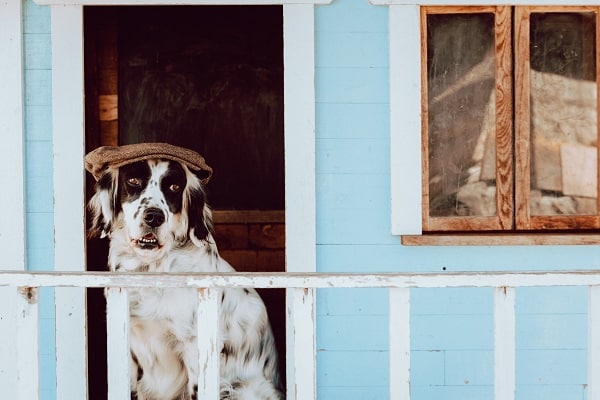
The door is the gateway to your dog’s personal space. When designing the entryway, size is paramount. The door should be large enough for your dog to enter and exit without any discomfort but not too large that it lets in too much cold air during winter. Furthermore, an elevated threshold can be a good idea to prevent water from entering the dog’s house during rain.
Many dog owners also opt for flap doors made of vinyl or rubber. These flap doors act as insulators, keeping the warmth in during cold months and the heat out during summer. They also provide a sense of privacy for your dog. However, ensure the flap is easy for your dog to push open. The entryway should be inviting, easy to access, and provide a sense of security for your pet.
Interior Comforts

The interior of the dog house is where your furry friend will spend a significant amount of time, so comfort is paramount. Start with bedding. Depending on your dog’s preference and the climate, you can opt for raised beds, plush cushions, or simple mats. Raised beds are especially beneficial in colder climates as they keep the dog off the cold ground. Cushions and mats provide a soft surface for your dog to relax on.
Toys and chewables can also be added to the interior. These not only entertain your dog but also provide a sense of familiarity. If you live in an extremely cold region, consider adding heating pads or a heated bed. However, always ensure that any electrical components are safely installed and out of your dog’s reach to prevent any accidents.
Safety Precautions
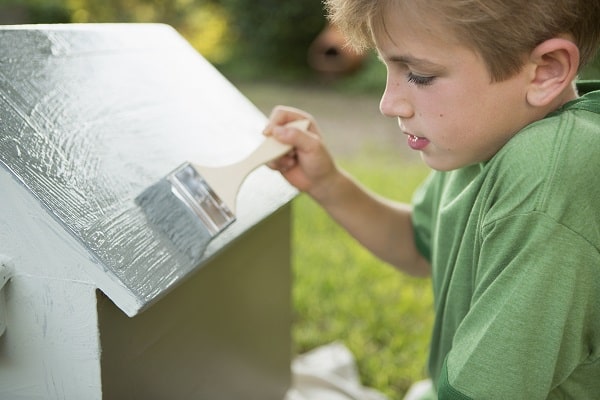
Building a dog house is not just about aesthetics and comfort; safety is paramount. Begin by inspecting the house for any sharp edges or protruding nails that could harm your dog. Sand down any rough surfaces to prevent splinters. The stability of the dog house is also crucial. Ensure that it’s sturdy enough to withstand strong winds and won’t topple over if your dog jumps on it or leans against it.
When painting or staining the dog house, always opt for non-toxic, pet-safe products. Dogs often chew on things, and you wouldn’t want them ingesting harmful chemicals. Additionally, ensure that the house has adequate ventilation. A stuffy dog house can lead to respiratory issues. Always prioritize your dog’s safety and well-being in every step of the construction process.
You’re Ready To Build The Perfect Dog House!
Building the perfect dog house is a labor of love, a testament to the bond between a pet and its owner. While the process involves careful planning, choosing the right materials, and ensuring safety, the end result is a haven for your furry friend. A well-constructed dog house not only provides shelter but also a sense of belonging. As you embark on this DIY journey, always prioritize your dog’s needs and comfort. After all, this is more than just a structure; it’s a home where memories are made, tails are wagged, and unconditional love is shared!