Skip to content

Don’t Store These Items Under Your Sink — They Could Spark a Fire

    A kitchen sink cabinet might seem like the perfect spot to tuck away cleaning products and miscellaneous supplies, but this cramped, humid space can quickly become a ticking time bomb. A single overlooked item stored under the sink can turn a quiet evening into a dangerous emergency. Knowing which products pose the biggest fire risks can keep the heart of the home safe and prevent a potentially devastating accident.


    Cleaning Products with Flammable Chemicals
    Sink

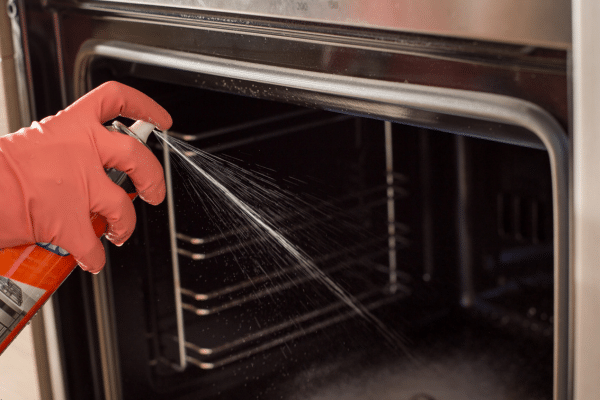
    Many common cleaning products designed to cut through grease and grime are formulated with highly flammable chemicals. Degreasers, oven sprays, and some heavy-duty multipurpose cleaners release fumes that can ignite with just a small spark. When these products are kept in a closed space like under the sink, vapors have nowhere to dissipate, turning a leak or accidental spill into a serious hazard.

    Compounding the risk, dishwashers and garbage disposals often generate heat or electrical sparks near the sink area. If vapors from flammable cleaning chemicals build up, even a minor electrical issue or surge could ignite them. Keeping these products in a ventilated cabinet away from heat-producing appliances significantly lowers the chance of a fire breaking out.


    Aerosol Cans and Pressurized Containers
    Sink

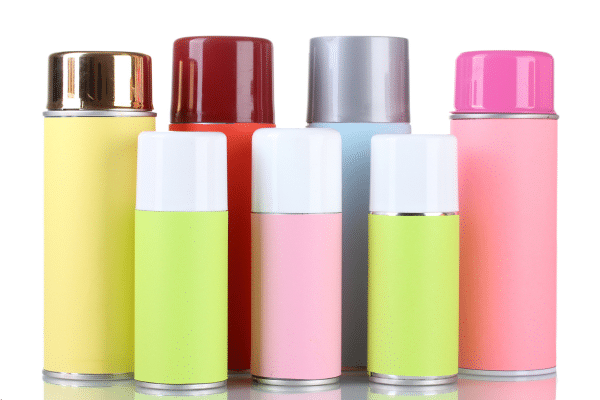
    Aerosol cans found in many households—such as disinfectant sprays, air fresheners, or furniture polish—are dangerous to store under the sink. Pressurized cans can explode when exposed to heat, and the risk is amplified by the potential for rising temperatures in a poorly ventilated space. The confined area traps heat, causing pressure to build inside the cans until they burst.

    In addition to the risk of explosion, these cans often contain flammable propellants. If a can ruptures, it can spray flammable substances around the cabinet and instantly create a fireball if there’s any ignition source nearby. Keeping aerosol cans in a cool, open area, well away from heat-producing appliances and potential sparks, makes a kitchen much safer.


    Solvents and Paint Thinners
    Sink

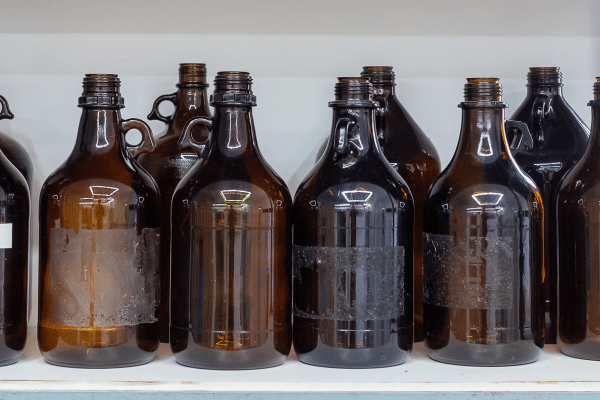
    Paint thinners, turpentine, and nail polish remover are some of the most flammable liquids commonly found in homes. Many people store them under the sink without realizing the extent of the danger. Vapors from these solvents can seep out even when containers appear tightly closed, mixing with the humid air beneath the sink to form an explosive atmosphere.

    Leaks or spills under the sink can go unnoticed, soaking into wood or cardboard and creating an even more dangerous situation. If the vapors find a spark—whether from nearby wiring or an appliance—they can ignite instantly. Storing these solvents in a locked, ventilated cabinet or a garage with good airflow is a far safer choice than keeping them under the sink.


    Rags and Paper Towels Soaked in Cleaning Agents
    Sink

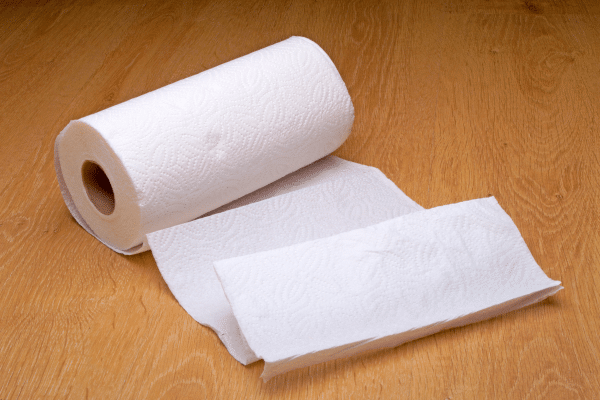
    Used cleaning rags or paper towels might seem harmless, but when soaked in oils, polish, or cleaning agents, they can self-heat and combust without warning. Tossing these materials under the sink, where they can become compressed and insulated, creates the perfect conditions for spontaneous combustion. Combined with the moisture often found in this area, the risk grows even higher.

    Once ignition starts in a confined space, fire spreads quickly and can leap to other flammable items stored nearby, like plastic bags or cardboard boxes. Instead of stuffing soiled rags into the cabinet, let them dry in a well-ventilated area before disposal or wash them promptly to prevent heat build-up and reduce the chance of a fire starting unexpectedly.


    Batteries and Electronic Waste

    Sink

    Storing used or old batteries under the sink might seem convenient, but it’s a fire hazard waiting to happen. Moisture from leaks or condensation can seep into battery casings, causing corrosion or short circuits that generate heat and sparks. The combination of electricity, metal, and a damp environment is a recipe for ignition.

    Electronic waste, such as small gadgets or chargers tossed into the cabinet, also carries fire risks. Wiring can degrade or fray over time, and moisture accelerates this damage. If a short circuit occurs, it can ignite nearby flammable items. Batteries and electronic waste should always be stored in a dry, temperature-controlled area, and recycled or disposed of properly.


    Alcohol-Based Products

    Sink

    Many households keep bottles of rubbing alcohol or alcohol-based cleaners for disinfecting surfaces. However, these products contain high concentrations of ethanol or isopropyl alcohol, which are extremely flammable. If the bottle tips over and leaks under the sink, vapors can accumulate quickly and ignite with minimal provocation.

    Even a small spark from a garbage disposal or nearby appliance can set alcohol vapors aflame, turning a minor spill into a kitchen inferno. Instead of keeping these products under the sink, store them in a secure cabinet away from heat sources and out of direct sunlight, reducing both fire risk and accidental ingestion hazards for children or pets.


    Pest Control Chemicals

    Sink

    Poisons and traps used for pest control often contain flammable ingredients, especially aerosol-based insect sprays or rodent repellents. When stored under the sink, these chemicals become dangerous if plumbing leaks occur, leading to unexpected chemical reactions or increased fire risk. The humid, enclosed environment of a sink cabinet only magnifies the danger.

    Additionally, accidental mixing of pest control chemicals with cleaning agents or other stored items can produce toxic fumes or reactions that can ignite. Keeping pest control products on a high shelf in a garage or utility room, clearly labeled and out of children’s reach, provides a much safer alternative than stashing them beneath the kitchen sink.


    Extra Plastic Bags and Combustible Packaging

    Sink

    Many people tuck plastic grocery bags or packaging materials under the sink for reuse, but large quantities of plastic and cardboard in a confined space act as perfect kindling for a fire. If a small fire starts under the sink—due to a spark, shorted wire, or ignited chemical vapor—the presence of these materials will cause flames to spread rapidly.

    Plastic burns hot and fast, producing dense, toxic smoke that can quickly fill a kitchen and home. Instead of storing bags under the sink, use a dedicated container in a pantry or closet. This reduces clutter and removes a major source of fuel that could feed a kitchen fire beyond control in seconds.


    Better Safe Than Sorry: How to Store Household Hazards Properly

    Preventing fires starts with mindful storage. Keeping cleaning chemicals, aerosols, solvents, and flammable products out of the cabinet under the sink is one of the simplest ways to improve kitchen safety. Relocate these items to ventilated spaces or fire-resistant cabinets, and make sure rags and paper towels are either cleaned or safely discarded.

    Choosing proper storage keeps dangerous items out of reach of children and pets while minimizing fire hazards. By reassessing what’s tucked away under the sink and making intentional changes, every household can create a safer, more secure kitchen where the risk of an unexpected blaze is dramatically reduced.