


Choosing the right heating system is a critical decision for homeowners and businesses alike. Whether it’s electric heating or gas heating, the choice can have far-reaching implications on efficiency, cost, comfort, and environmental impact. With the increasing focus on sustainability and energy conservation, understanding the differences between these two heating methods is essential. In this post, you will find a comprehensive comparison of electric heating vs. gas heating, exploring various aspects that will help you make an informed decision.
Efficiency
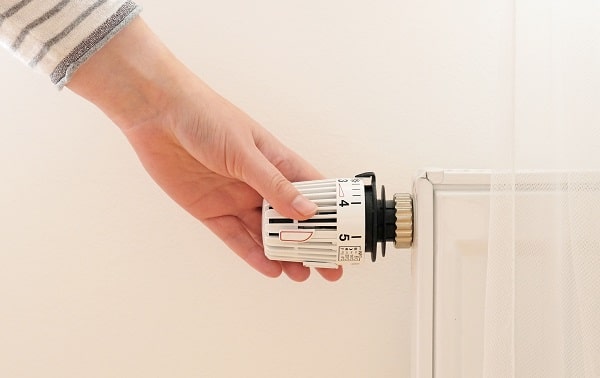
Electric heating systems, particularly modern ones, boast a nearly 100% energy conversion rate. This means that almost all the electricity consumed is directly converted into heat. However, it’s essential to note that while the heating unit itself might be highly efficient, the process of generating and transmitting electricity to homes can come with significant energy losses. Conversely, gas heating systems, especially those using natural gas, can be incredibly efficient in terms of BTUs (British Thermal Units). Some high-efficiency gas furnaces can achieve up to 98% efficiency ratings, meaning only a small fraction of the fuel is wasted.
While both electric and gas heating systems can offer high levels of efficiency, the broader energy infrastructure can influence the real-world efficiency homeowners experience. For instance, an electric heating system’s efficiency might be offset if the electricity comes from a coal-fired power plant with its inherent inefficiencies. Conversely, a gas heating system’s efficiency can be impacted by the quality of the gas and the furnace’s age and maintenance.
Cost

When considering the installation costs, electric heating systems often come out ahead. They generally require fewer components and less intricate installation processes, leading to lower initial expenses. However, the operating costs can be a different story. Electricity prices in many regions tend to be higher than gas prices, making electric heating more expensive to run in the long term.
Gas heating systems, while potentially more expensive to install due to the need for venting and gas lines, often benefit from lower fuel costs. Natural gas, in particular, has been relatively affordable in recent years, making gas heating a cost-effective option for many households. Additionally, while maintenance for gas systems might be more frequent, it can sometimes be less expensive than repairing or replacing components of an electric system.
Environmental Impact
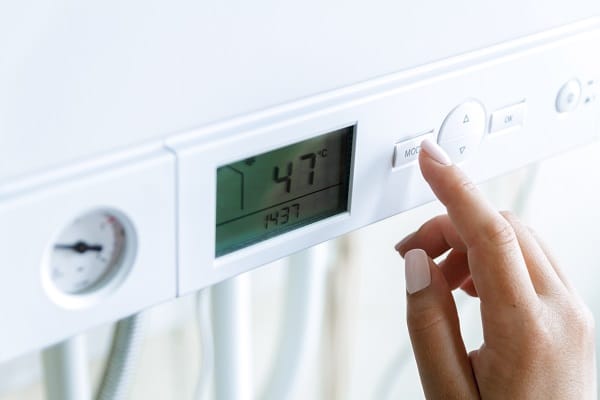
Electric heating’s environmental impact largely depends on the source of the electricity. If the power comes from renewable sources like wind, solar, or hydroelectric, then the carbon footprint is minimal. However, the environmental impact can be significant if the electricity is sourced from coal or other non-renewable resources. This makes the choice of electric heating environmentally friendly in regions prioritizing green energy sources.
Gas heating, on the other hand, inherently involves burning fossil fuels. While natural gas is one of the cleanest-burning fossil fuels, it still releases carbon dioxide and other greenhouse gases into the atmosphere. The extraction process for natural gas, especially methods like fracking, can also pose environmental concerns. Thus, while gas heating might be efficient and cost-effective, it carries an environmental cost that’s hard to ignore.
Safety

Electric heating systems are generally considered safe, as they don’t involve any combustion or potential for gas leaks. However, like any electrical appliance, they can pose risks if not properly maintained or if faulty wiring is present. Regular inspections and adherence to safety guidelines can mitigate most of these risks, ensuring a safe heating experience.
While widely used and considered safe when properly installed and maintained, gas heating systems carry some inherent risks. Gas leaks, though rare, can be dangerous or even fatal if not detected and addressed promptly. Combustion-related issues can also arise, leading to poor indoor air quality. Proper installation, regular maintenance, and the use of carbon monoxide detectors are essential for maintaining safety with gas heating.