


Installation And Maintenance
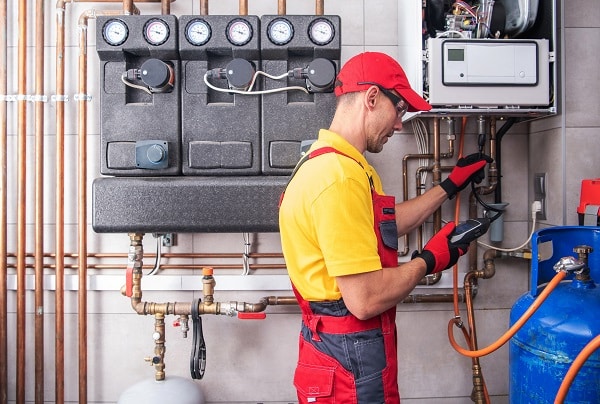
Electric heating systems often offer a simpler installation process compared to gas heating. Without the need for venting or gas lines, electric heaters can be installed in various locations within a home or business. Maintenance is typically straightforward, with fewer moving parts and less complexity, although professional servicing is still recommended to ensure optimal performance.
Gas heating systems, on the other hand, require more intricate installation, including proper venting and gas line connections. This often necessitates professional installation to ensure safety and compliance with local regulations. Maintenance for gas heating systems can be more involved, requiring regular inspections and servicing to keep the system running efficiently and safely. The complexity of gas heating systems often means that professional maintenance is not just recommended but essential.
Comfort And Control

Electric heating systems are known for their precise temperature control and consistent heating. Modern electric heaters often come with advanced thermostats and zoning capabilities, allowing users to tailor the heating to their specific needs and preferences. This level of control can enhance comfort, making electric heating an appealing option for those seeking a personalized heating experience.
Gas heating systems not only provide warmth but also deliver unparalleled comfort with their reliable and consistent heat output. Some users prefer the warmth produced by gas heating, describing it as feeling more “natural.” However, gas heating systems may not offer the same level of precise temperature control as their electric counterparts. The choice between electric and gas heating in terms of comfort and control may ultimately come down to personal preference and the specific needs of the space being heated.
Longevity And Reliability

Electric heating systems are often praised for their longevity, with many units lasting 20 years or more with proper maintenance. Their simple design and lack of combustion processes contribute to this durability. Reliability is also a strong point for electric heating, with fewer components that can fail compared to gas systems.
While generally reliable, gas heating systems may have a shorter lifespan, often ranging from 15 to 20 years. Regular maintenance is crucial to extend the life of a gas heating system, and neglecting this can lead to premature failure. While both electric and gas heating systems can provide years of reliable service, the differences in design and operation may influence the longevity and reliability of each system.
Aesthetics And Space Requirements

Electric heating systems offer flexibility in terms of design and space requirements. They can be installed in various locations, including wall-mounted units or baseboard heaters, allowing for customization to fit the aesthetics of the space. Many modern electric heaters are designed with sleek and attractive appearances, making them an appealing choice for those concerned with interior design. Additionally, without the need for venting or bulky fuel storage, electric heating systems often require less space.
However, while gas heating systems might be functional and efficient, they may have more limitations in terms of aesthetics and space requirements. The need for venting and gas lines can restrict where the system can be installed, and the appearance of the units may be more utilitarian. Some homeowners appreciate the traditional look of a gas furnace or fireplace, but others may find the design less appealing.
Electric Heating Vs. Gas Heating: What Do You Prefer?
The choice between electric heating and gas heating is multifaceted, involving considerations of a variety of different factors. Both systems have their unique strengths and potential drawbacks, and the best choice will depend on individual preferences, needs, and circumstances. By understanding the key differences and evaluating the specific requirements of a home or business, consumers can make an informed decision that aligns with their values, budget, and comfort needs. Ultimately, consulting with heating professionals and considering the unique characteristics of the location will lead to a heating solution that provides warmth, efficiency, and satisfaction for years to come.