When grocery shelves go bare and online food delivery grinds to a halt, having a stash of emergency food can be a lifesaver—literally. The importance of storing food for emergencies can’t be overstated, whether you’re preparing for natural disasters, pandemics, or other unforeseen circumstances. This post serves as a thorough manual on emergency foods that are perfect for long-term storage. You’ll learn about the types of foods to prioritize, their shelf life, and how to store them properly. So, let’s get started and make sure you’re prepared for any situation!
Why Bulk Buying Makes Sense

Bulk buying is not just a trend; it’s a practical approach to food storage, especially for emergencies. When you buy in bulk, you often save money per unit, making it a cost-effective strategy. Additionally, bulk items usually come in packaging designed for long-term storage, meaning they often have a longer shelf life. This not only saves you money but also frequent trips to the grocery store, which can be invaluable in emergency situations.
The benefits of bulk buying extend beyond just cost and convenience. Having a well-stocked pantry can provide a sense of security and peace of mind. Knowing you have enough supplies to last through an extended period can relieve stress and allow you to focus on other important aspects of emergency preparedness. Now that you’re convinced about the merits of bulk buying let’s delve into the types of foods that should be on your shopping list.
Grains And Cereals

Grains and cereals are the backbone of any emergency food storage plan. White rice, for instance, has a long shelf life and serves as a versatile base for a variety of meals. It’s also easy to cook, requiring nothing more than water and heat. Pasta is another excellent option; it’s filling, has a long shelf life, and can be used in a multitude of recipes, from casseroles to soups.
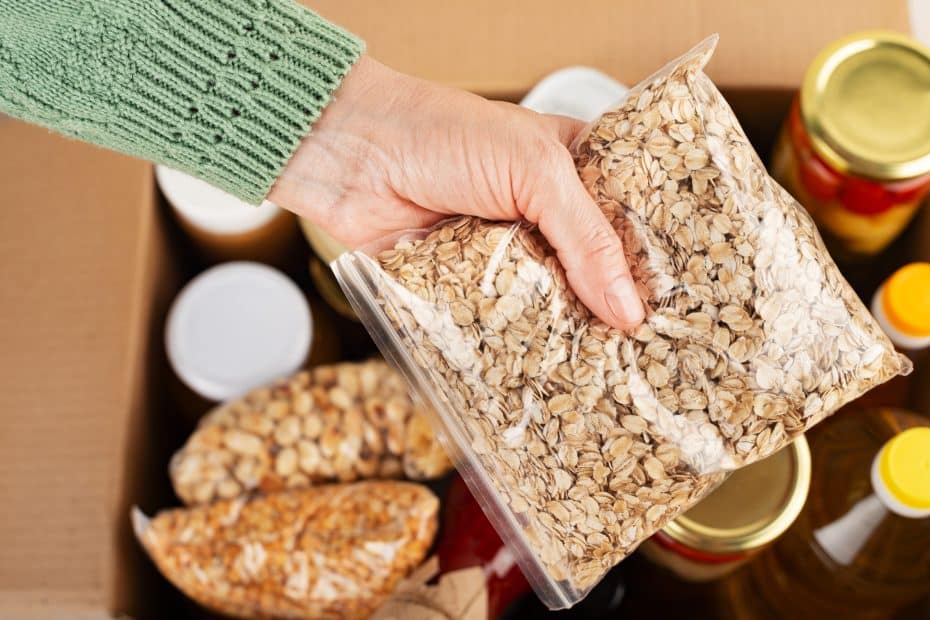
However, you shouldn’t overlook other grains like oats and quinoa. Oats are not just for breakfast; they can also be used in baking and even as a filler in meat dishes. Quinoa is a protein-rich grain that cooks quickly and can substitute for rice in most recipes. It’s also gluten-free, making it a good choice for those with dietary restrictions. With grains and cereals in your pantry, you’re well on your way to a balanced emergency food supply.
Protein Sources

When it comes to emergency food storage, protein is a macronutrient you can’t afford to ignore. Canned tuna is a staple that has a long shelf life and is rich in protein and essential fatty acids. It’s also versatile, fitting into a range of recipes from salads to casseroles. Lentils are another protein-packed option. They are easy to store, quick to cook, and can be used in a variety of dishes, including soups and stews.
Freeze-dried meats and poultry are also worth considering. These products can last for years when stored properly and rehydrate quickly when you’re ready to cook. Nuts and seeds offer a plant-based protein alternative and the added benefit of healthy fats. They’re easy to store and can be eaten on their own or used in cooking and baking. With these protein sources in your emergency food arsenal, you’ll be better prepared to meet nutritional needs during a crisis.
Fruits And Vegetables

Fruits and vegetables provide essential vitamins and minerals, making them a crucial part of your emergency food stockpile. Canned fruits, particularly those canned in their own juice, offer a sweet source of nutrition. They can be eaten as-is or used in cooking and baking. When it comes to vegetables, freeze-dried options are an excellent choice. They retain most of their nutrients and can be rehydrated quickly for use in meals.
Canned vegetables are another viable option, but it’s advisable to opt for low-sodium versions to maintain a balanced diet. These can be used in various dishes, from stews to stir-fries. While fresh fruits and vegetables are always preferable, their canned and freeze-dried counterparts provide a long-lasting alternative that can be invaluable in emergency situations. With a variety of fruits and vegetables in your pantry, you’ll be better equipped to maintain a healthy diet when fresh produce is not an option.