
Contents
Legal Standards and Safety Regulations
Internationally, there is a growing awareness of the risks associated with radon gas, leading to the establishment of various safety standards and guidelines. The World Health Organization (WHO) and other international bodies have set recommended action levels for indoor radon concentrations, urging national governments to adopt policies and regulations to protect public health. These recommendations are continuously updated as new research on radon risks becomes available.
Local regulations regarding radon safety can vary significantly. In some regions, radon testing is mandatory for certain types of buildings or during real estate transactions. Others have set specific radon concentration limits beyond which mitigation measures must be implemented. Homeowners and builders should familiarize themselves with these regulations to ensure compliance and safety. In many cases, these laws not only aim to reduce health risks but also guide the construction of new buildings to prevent radon accumulation.
Mitigation and Prevention Strategies
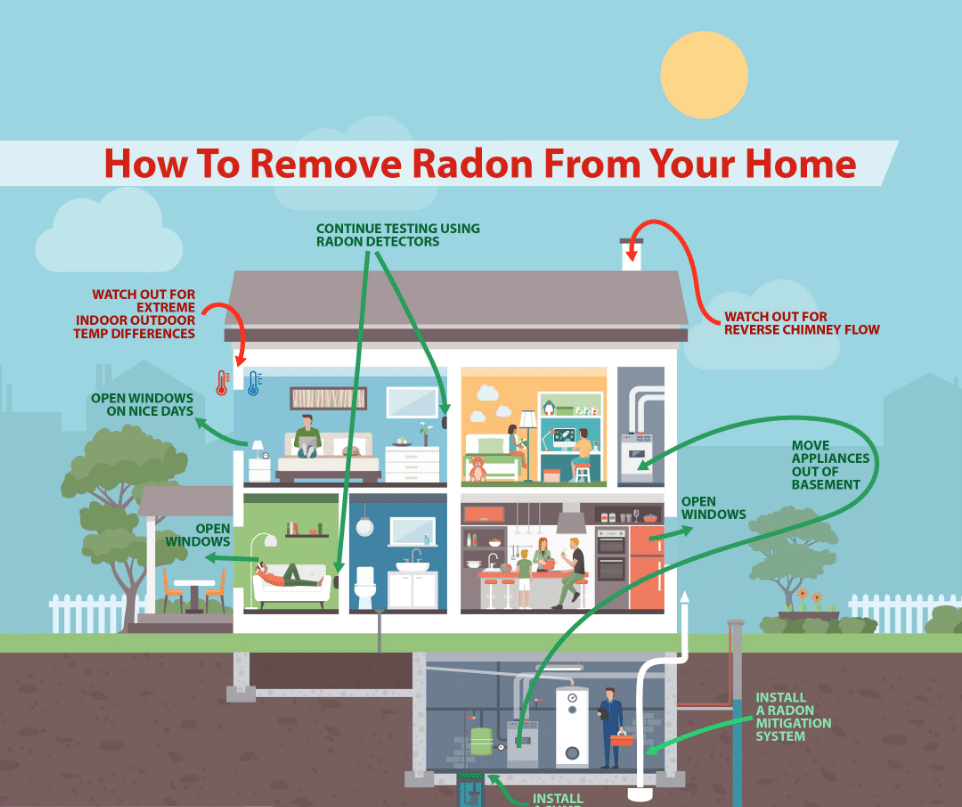
Once high levels of radon are detected, it’s crucial to implement mitigation strategies to reduce indoor radon levels. Professional radon mitigation services often use techniques like soil suction, which involves drawing radon from below the building and venting it outside. Sealing cracks in floors and walls and improving ventilation can also significantly reduce radon levels. These mitigation methods vary in complexity and cost, but they are vital for reducing the risk of lung cancer associated with radon exposure.
In addition to professional mitigation, there are several preventative measures homeowners can take. Simple steps like increasing ventilation, particularly in basements, and sealing cracks and openings in the foundation can help reduce radon entry. When building a new home, incorporating radon-resistant construction techniques is an effective way to prevent radon problems. These measures are especially important in areas known for high radon levels and can contribute significantly to long-term health and safety.
Case Studies on Radon Gas Incidents
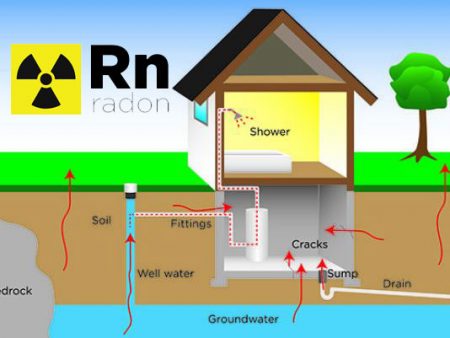
Examining real-life case studies of radon gas incidents provides valuable insights into the risks and consequences of radon exposure. Residential examples often reveal how unsuspecting homeowners discovered high radon levels, sometimes only after a family member had been diagnosed with lung cancer. These cases underscore the importance of regular radon testing, as the gas can accumulate unnoticed over time, posing significant health risks. Many of these stories also highlight how proper mitigation techniques successfully reduced radon levels, safeguarding the occupants’ health.
In the industrial context, radon incidents can be even more dramatic. Workplaces like mines and construction sites, especially those involving earthworks, have reported elevated radon levels. These cases often lead to stricter safety regulations and the implementation of regular monitoring and mitigation measures. Industrial case studies serve as a stark reminder of the occupational hazards related to radon, particularly in industries involving underground work where radon concentration can be significantly higher.
Future of Radon Gas Research and Technology

The field of radon research is continually evolving, with new studies shedding light on the broader impacts of radon exposure and refining our understanding of safe exposure levels. Current research focuses not only on the health effects but also on identifying geographic areas at higher risk and improving prediction models for radon generation and accumulation. These studies play a crucial role in updating safety standards and informing public health policies.
Technological advancements are also revolutionizing the way we detect and mitigate radon. Innovations in detection technology are making radon testing more accessible and accurate, allowing for real-time monitoring of radon levels in homes and workplaces. On the mitigation front, newer, more efficient methods are being developed, reducing the cost and complexity of making buildings radon-safe. These technological strides, coupled with ongoing research, are key to managing radon risks and ensuring public health and safety in the future.
The Radon Gas Challenge
This comprehensive exploration of radon gas illuminates its nature, sources, associated health risks, and the critical importance of detection and mitigation. Understanding radon is not just about recognizing its presence but involves actively engaging in testing and employing necessary measures to safeguard health and wellbeing. The evolving landscape of radon research and technology promises enhanced protection in the future. Everyone, from homeowners to industry professionals, plays a vital role in this endeavor, making informed decisions to tackle the challenge of radon gas effectively.