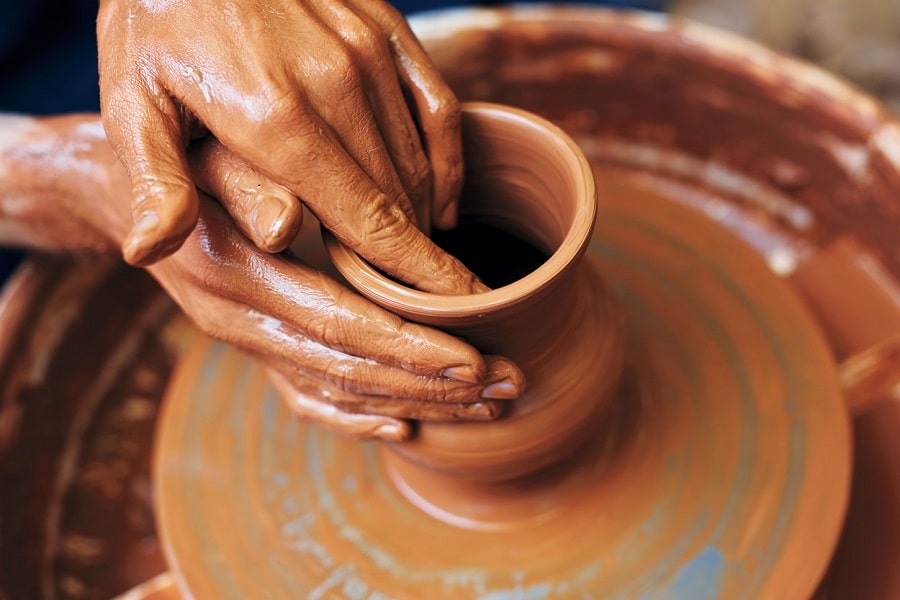
So, you’ve decided to start a pottery hobby. That’s great! Pottery is a fun, engaging activity that can help you relieve stress and express your creativity. But before you can start creating masterpieces, you need to equip yourself with the right tools and supplies. This guide will teach you everything you need to know about starting a pottery hobby, from choosing the right materials to understanding the basics of ceramic crafting. Let’s get started!
Clay
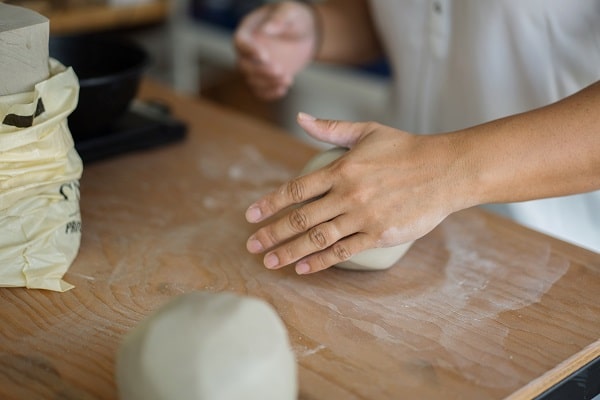
The first thing you’ll need is clay. Stoneware, earthenware, and porcelain clay are the three types of clays. Stoneware clay is the most durable and can withstand high temperatures, making it ideal for oven-baked pottery. Earthenware clay is less durable than stoneware but more porous, meaning you can fire it at lower temperatures. Porcelain clay is the most fragile of the three types, but it also has the highest fire resistance.
When choosing a type of clay, consider what you want to make. If you’re interested in making functional pieces such as cups or bowls, stoneware clay is your best option. If you’re mainly interested in making decorative pieces, then earthenware or porcelain clays may be a better choice.
You can purchase clay at most art supply stores. It’s usually sold in blocks, which can be quite heavy, so make sure you have enough space to store it.
Pottery Wheels
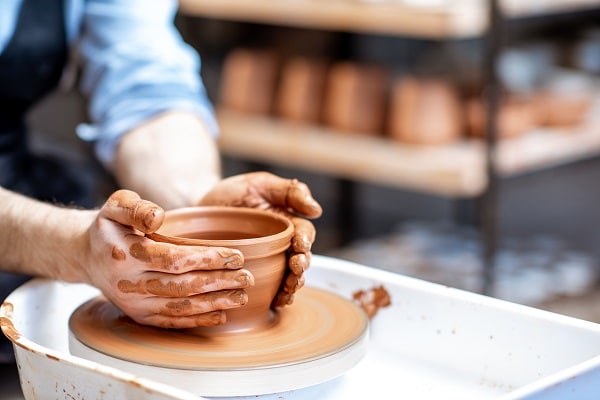
Pottery wheels are essential for creating pottery. They allow you to rotate the clay while working on it, making it easier to shape the material. Pottery wheels come in various sizes, so choose one that’s appropriate for your workspace.
You can purchase a tabletop pottery wheel if you’re making smaller pieces. If you plan on making larger pieces or want to get more serious about your hobby, it might be worth purchasing an industrial pottery wheel. Make sure the wheel is stable and won’t slip when you’re working.
Kiln

A kiln is a small oven designed specifically for firing pottery. The purpose of firing the clay is to harden it so you can use it to create functional pieces or have it displayed as part of your home decor.
Firing pottery requires using both high and low heat settings, so make sure to read the instructions that come with your specific kiln model. Once you learn how to fire your creations properly, you’ll be able to produce beautiful finished products.
Professionals or serious hobbyists primarily use kilns, but this tool isn’t completely necessary if you’re just getting started with ceramics. You could always try selling unfired pottery instead, which has a similar look but hasn’t been hardened through firing.
