


Sustainability And Eco-Friendly Options
In an era where environmental consciousness is paramount, the choice of sustainable and eco-friendly tile options has become increasingly significant. Recycled materials, such as glass or reclaimed ceramic, offer an environmentally responsible choice without compromising on style. Energy-efficient manufacturing processes are also being adopted by many tile producers, reducing the overall carbon footprint. Additionally, tiles made from natural, renewable resources like bamboo or cork provide a unique and green alternative. By opting for these sustainable options, homeowners can contribute to environmental conservation while still achieving a beautiful and functional design.
Sustainability in tile design goes beyond the selection of materials. Consideration of the entire lifecycle of the product, from production to disposal, is essential in making a truly eco-friendly choice. Some tiles are designed to be more durable, reducing the need for replacement and thereby minimizing waste. Others may be recyclable at the end of their life, further contributing to environmental sustainability. Even the choice of adhesives and grouts can have an environmental impact, with low-VOC options providing a healthier indoor air quality. By taking a holistic approach to sustainability, homeowners can make informed decisions that align with their values and the needs of the planet.
Installation Techniques

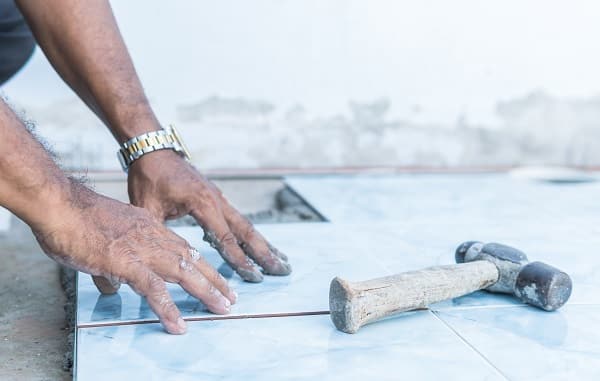
Installing tiles is a process that requires precision and attention to detail. Proper preparation, including ensuring the surface is clean, level, and dry, is essential for a successful installation. Layout planning, where tiles are arranged to minimize cuts and maintain symmetry, is another crucial step. Utilizing the right tools, such as tile cutters, spacers, and trowels, can make the installation process smoother and more efficient. Whether opting for a DIY approach or hiring professionals, understanding the basic techniques can help in achieving a flawless finish.
Furthermore, it is essential to keep in mind that different tile materials and designs may require specific installation methods. For example, large-format tiles might need a particular adhesive, while mosaic tiles may require a different grouting technique. Following the manufacturer’s guidelines and seeking expert advice when needed can prevent common pitfalls and ensure the longevity of the installation. Investing time in learning about the installation process and possibly attending workshops or watching instructional videos can empower homeowners to make informed decisions, whether they undertake the project themselves or hire skilled professionals.
Maintenance And Durability

The beauty of tiles lies not only in their appearance but also in their durability and ease of maintenance. Regular cleaning with appropriate products can keep tiles looking new and prevent wear and tear. For instance, ceramic and porcelain tiles typically require only mild detergent, while natural stone might need specialized cleaners. Proper sealing, especially for porous materials like natural stone, can also enhance durability and resistance to stains.
Long-term preservation of tiles involves more than just daily cleaning. Periodic inspection for cracks, chips, or loose tiles can help in the early detection of potential problems. Re-grouting or re-sealing might be necessary over time to maintain the integrity of the installation. By following a proper maintenance routine and addressing issues promptly, homeowners can enjoy the beauty and functionality of their tiles for many years to come.
Budget Considerations

Budgeting for a tile project involves more than just the cost of the materials; it encompasses everything from preparation to installation and potential maintenance. While high-end materials like natural stone or designer ceramics can add a luxurious touch, there are equally stunning options available at a more budget-friendly price point, such as quality porcelain or glazed ceramic tiles. Considering factors like the size of the space, the complexity of the design, and the choice of finishes can help in estimating the overall cost. Planning ahead and setting a realistic budget can ensure a successful project without unexpected financial strain.
It’s also essential to consider the cost of professional installation if you choose not to take a DIY approach. Installation costs can vary widely based on the complexity of the project, the experience of the installer, and the region where you live. Getting multiple quotes and comprehending the inclusions in the price, like labor, materials, or possible extra charges, can help avoid unexpected surprises down the line. Investing in a high-quality installation can also yield long-term savings by guaranteeing the longevity and durability of the tiles.
Embracing The World Of Tile Design In Your Home
Tiles offer an extraordinary blend of functionality, durability, and aesthetic appeal, making them a favored choice for both flooring and wall designs in modern homes. From understanding various materials to considering sustainability, this guide has aimed to provide comprehensive insights into the world of tiles. Whether seeking a timeless elegance or a bold, contemporary statement, the possibilities with tiles are virtually limitless. May this exploration inspire homeowners to embark on their own tile design journey, creating spaces that reflect their individuality, values, and the unique character of their homes!