

You open your fridge, expecting to find fresh, delicious produce, only to be greeted by a mushy, unappetizing mess. What went wrong? The culprit might be your refrigerator itself. While it’s a common belief that refrigeration prolongs the life of many food items, the truth is not everything belongs in the fridge. Storing certain foods in cold temperatures can actually ruin their taste, texture, and nutritional value. In this article, you’ll discover which foods you should never put in the fridge and why so you can enjoy them at their best.
Tomatoes: The Cold Ruins Their Charm
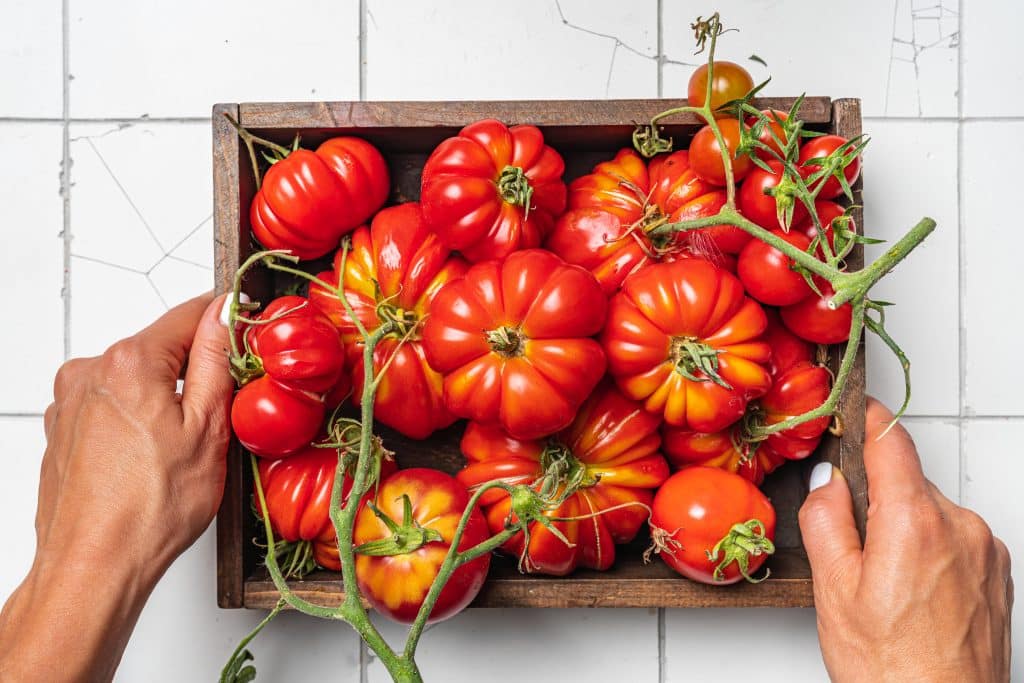
Tomatoes are a staple in many dishes, but storing them in the fridge can be a culinary crime. When you put tomatoes in the fridge, the cold temperature alters their cellular structure. This results in a mealy texture that’s far from the juicy, firm tomatoes you love. Additionally, refrigeration can cause tomatoes to lose their essential oils and aroma, making them bland and less flavorful.
So, where should you store tomatoes? A countertop at room temperature is ideal. Here, they’ll retain their flavor and texture, ripening naturally. If you’ve cut a tomato and need to store the remaining part, a cool, not cold, storage area is your best bet. Cover the cut side and keep it for a day or two at most.
Bananas: Don’t Let Them Turn Black And Blue
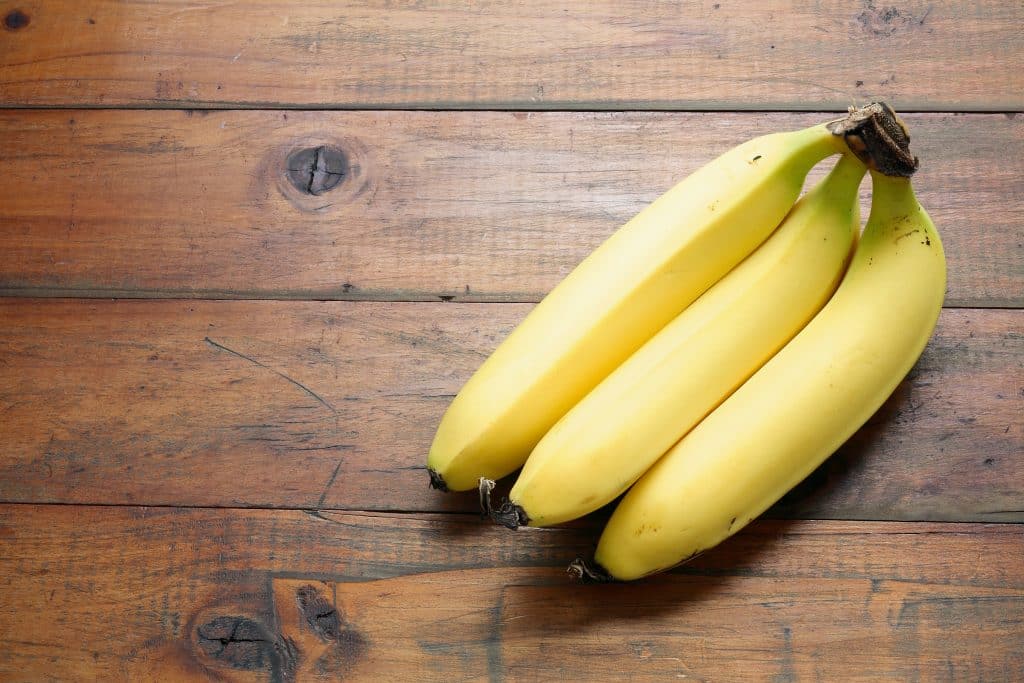
Bananas are another fruit that doesn’t belong in the fridge. When stored in cold temperatures, the skin turns black, which might make you think they’ve gone bad even when the inside is still good. Moreover, refrigeration slows down the ripening process, which can be a disadvantage if you’re looking forward to enjoying a perfectly ripe banana.
But it’s not just about appearances. The nutritional content of bananas also changes when they’re refrigerated. Cold temperatures can alter the levels of antioxidants and other nutrients, making the fruit less beneficial for your health. So, keep your bananas on the countertop and consume them when they’re just the right level of ripeness for maximum flavor and nutritional benefits.
Fresh Herbs: Keep The Flavor, Ditch The Fridge
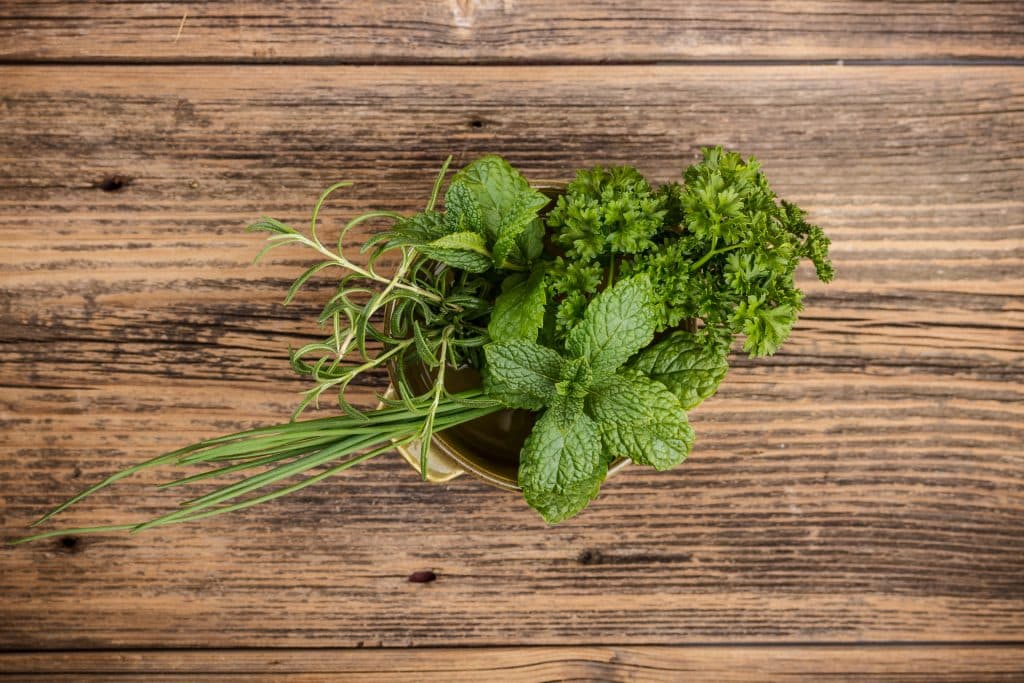
Fresh herbs like basil, mint, and cilantro add a burst of flavor to your dishes. However, storing them in the fridge can be a quick route to disappointment. The cold and moisture inside the refrigerator create an environment that leads to faster decay. You’ll notice that the herbs lose their vibrant color, becoming limp and unappetizing.
Even worse, the damp conditions inside the fridge can promote mold and bacterial growth on the herbs. This not only ruins their flavor but also poses a health risk. Instead, consider storing fresh herbs in a glass of water on your countertop, much like a bouquet of flowers. This keeps them fresh and ready to elevate your next culinary creation.
Bread: From Soft To Stale In No Time
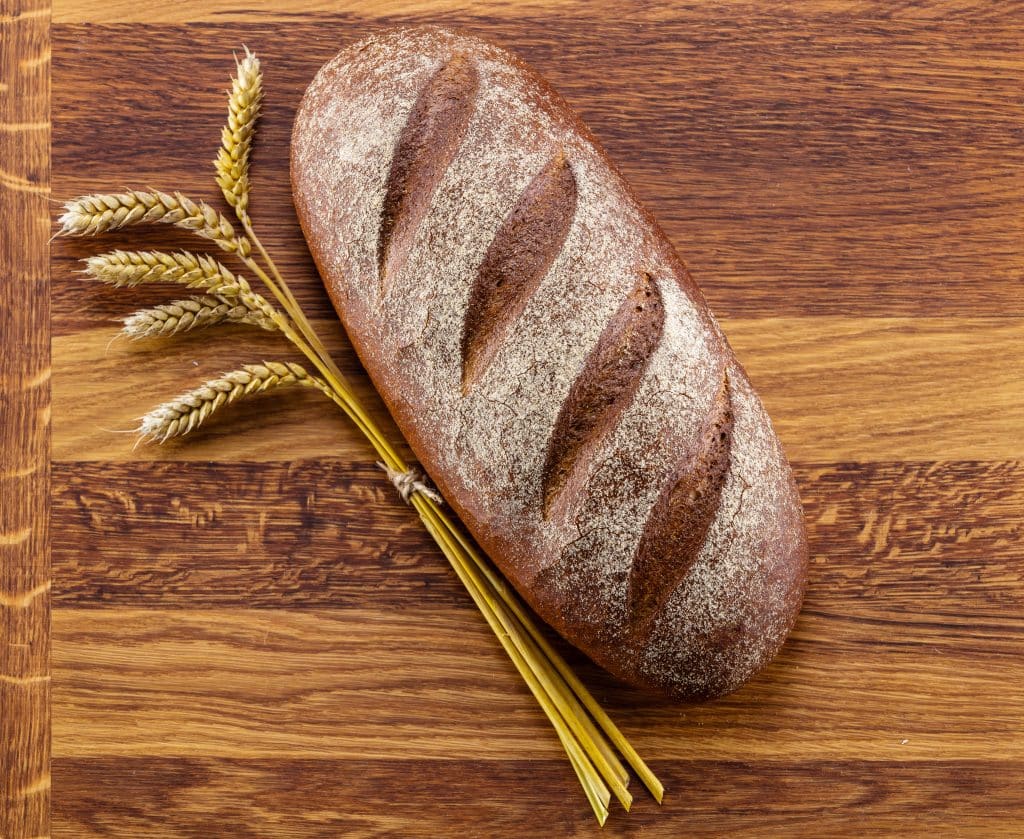
Ah, the comforting aroma of freshly baked bread! It’s something you’d want to preserve, but sticking that loaf in the fridge isn’t the way to do it. Cold temperatures cause bread to dry out quickly, leading to a stale texture that’s far from appetizing. The loss of moisture makes the bread hard and unenjoyable, whether you’re making a sandwich or just enjoying a slice with butter.
If you’re looking to extend the life of your bread, the freezer is a better option than the fridge. Freezing halts the staling process and preserves the bread’s moisture and flavor. When you’re ready to eat it, simply thaw the amount you need. For daily consumption, a bread box or a cool, dry place in your kitchen works wonders in keeping your bread soft and delicious.