

Honey: The Sweetness That Shouldn’t Crystallize

Honey is a natural sweetener that has been cherished for its flavor and health benefits for centuries. However, storing honey in the fridge can lead to crystallization, making it hard to spread or pour. The cold temperatures cause the glucose in honey to separate from the water, leading to a semi-solid state that’s not easy to work with.
Crystallized honey also loses some of its nuanced flavors, becoming less enjoyable to the palate. The good news is that honey has natural preservatives, making it perfectly safe to store at room temperature. Keep it in a cool, dry place, and it will retain its liquid gold consistency and rich flavors for a long time.
Hot Sauce: Keep The Heat, Not The Chill
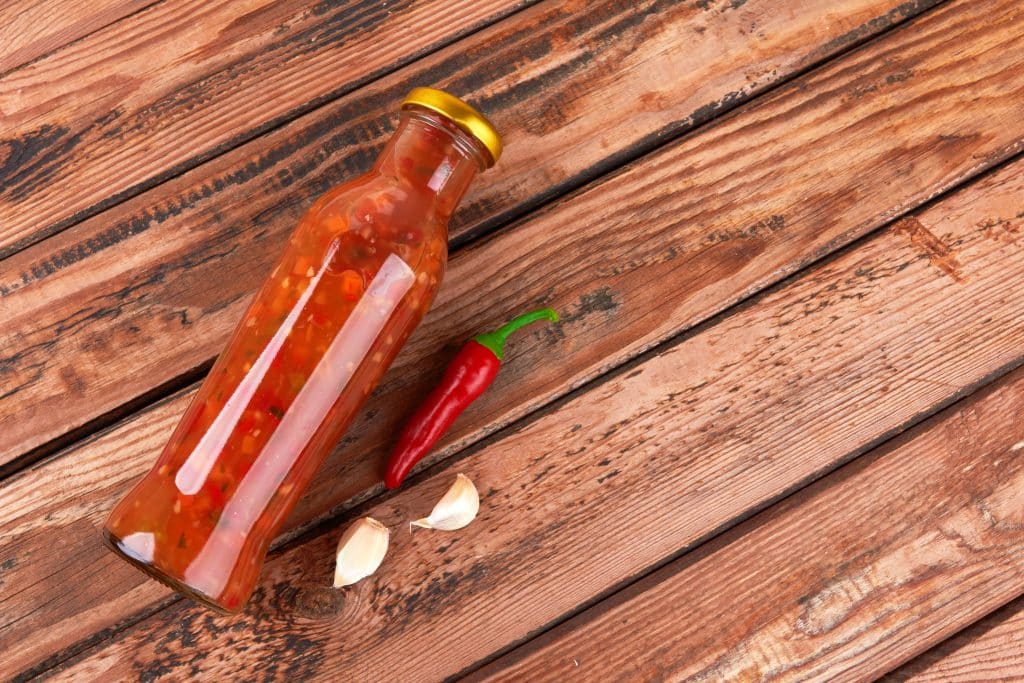
Hot sauce is a favorite condiment for adding a spicy kick to meals. While some people think that refrigeration prolongs its shelf life, the reality is that most hot sauces contain enough vinegar to preserve them well. Storing hot sauce in the fridge can actually dull its flavors, making it less impactful when you use it.
Additionally, the sauce’s texture can change when stored in cold temperatures. It may become thicker and less easy to pour or mix into dishes. For most commercially produced hot sauces, a pantry or cupboard is the best storage location. Here, they’ll maintain their zest and consistency, ready to spice up your meals whenever needed.
Potatoes: Don’t Let Them Sweeten Unnaturally
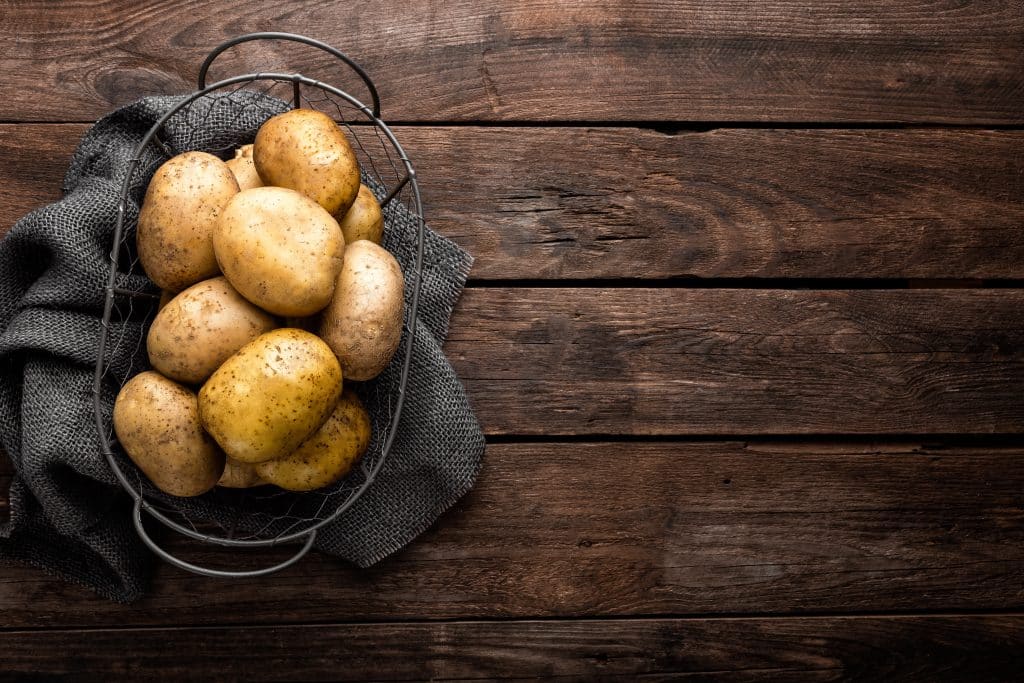
Potatoes are a versatile ingredient in many dishes, but storing them in the fridge can lead to undesirable changes. Cold temperatures convert the starch in potatoes to sugar, resulting in an altered taste that’s noticeably sweeter. This change in starch content also affects how the potatoes cook, making them less ideal for certain recipes.
Moreover, the texture of the potatoes can become gritty, affecting the quality of your dishes. Instead of the fridge, store your potatoes in a cool, dark, and well-ventilated place. This will help maintain their natural starch content, ensuring they’re always ready for your next culinary adventure.
Onions: Keep Them Crunchy And Contained
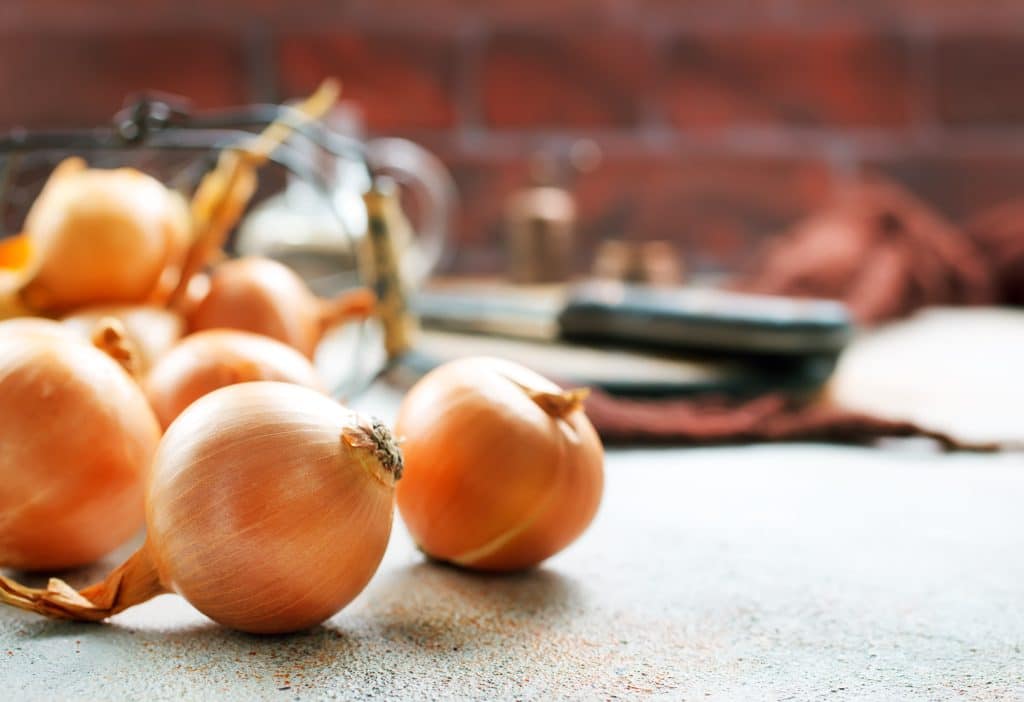
Onions are another kitchen staple, but storing them in the fridge can lead to a host of problems. The moisture inside the fridge can make onions mushy and promote mold growth. This not only ruins their texture but also makes them less appetizing to eat.
Another issue with refrigerating onions is the risk of cross-contamination. Onions have a strong aroma that can permeate other foods in the fridge, altering their flavors. A cool, dry, and well-ventilated area is the best place to store onions. Keep them in a mesh bag or a dedicated container to ensure they stay fresh and don’t affect other foods.
Wrapping Up Your Food Storage Journey
The way you store food plays a significant role in how it tastes, feels, and nourishes you. By understanding which foods fare better outside the fridge, you’re taking a step toward enhancing your culinary experiences. This isn’t just about keeping your food fresh; it’s about enriching the flavors and textures that make each meal memorable. So go ahead and give your pantry and countertops a second look. You might just find that they’re the perfect home for some of your favorite foods!