
DIY home renovations have surged in popularity as homeowners look to personalize their spaces while potentially saving on labor costs. However, what often starts as an effort to economize can quickly become more expensive than anticipated due to hidden costs. These unexpected expenses can strain budgets, causing stress and frustration. Understanding home renovations hidden costs before embarking on a DIY project is crucial for effective budgeting and avoiding unpleasant surprises.
Contents
Underestimating Material Costs

Accurately estimating the cost of materials is a common stumbling block for DIY renovators. Prices for lumber, paint, and fixtures can vary widely depending on the region, quality, and market conditions. Many DIY enthusiasts find themselves spending more than planned when initial estimates prove unrealistic, particularly when they encounter the need for additional materials due to mistakes or design changes.
The allure of saving by opting for lower-quality materials can backfire, leading to premature wear and tear or the need for replacements sooner than expected. Furthermore, inexperienced renovators might purchase the wrong materials, necessitating costly do-overs. This scenario underscores the importance of thorough research and possibly consulting with professionals before purchasing materials, even if it seems like an added upfront cost.
Tools and Equipment Rental

The necessity for specific tools and equipment can catch many DIY renovators off guard. While some tools might be used frequently enough to justify the purchase, others are so specialized that renting becomes a more economical choice. However, rental fees can accumulate quickly, especially for projects that take longer than anticipated and might even surpass the cost of purchasing the tools outright.
Hidden fees and deposits required for equipment rental can also add unexpected costs to a DIY renovation budget. These fees might include damage waivers, late return fees, and deposits that can significantly inflate the initial rental quote. Prospective DIYers should factor these potential costs into their budget, along with the possibility of needing the equipment for longer than initially planned.
Need for Specialized Skills

Some renovation tasks demand specialized skills that go beyond the average DIYer’s expertise, such as electrical work, plumbing, or structural modifications. Attempting these tasks without the necessary knowledge can lead to safety hazards, code violations, and the need for costly corrections by professionals. This realization often comes after the fact, once the project has encountered issues that are beyond the homeowner’s ability to resolve.
Hiring professionals for certain aspects of a renovation project can thus become an unexpected cost for DIY renovators. While the intention might be to save money by doing most of the work independently, the cost of rectifying mistakes or completing tasks that require a licensed professional can significantly impact the overall budget. It highlights the importance of realistically assessing one’s skills and the complexity of the project before starting.
Unplanned Repairs and Issues

Renovation projects frequently uncover unforeseen problems that were not included in the original budget. Issues such as mold, water damage, or structural weaknesses can surface once walls are opened or floors are removed. These discoveries not only require immediate attention but also often entail significant additional expenses to address properly, pushing the project budget beyond its original scope.
The impact of these unexpected issues extends beyond just the financial; they can also lead to delays in the project timeline, further compounding the inconvenience and cost. For DIY renovators, these surprises underscore the necessity of including a contingency fund in their budget—a practice that can mitigate the stress and financial strain of dealing with unplanned repairs and ensure the project can continue without compromising on safety or quality.
Time Delays and Their Costs

Time is a critical factor in DIY home renovations that often gets overlooked. DIY projects can significantly extend beyond their anticipated timelines due to various factors, including the learning curve for new skills, underestimation of the time required for tasks, or unexpected issues. These delays are not just a matter of inconvenience; they can also have tangible financial implications, such as additional rent or mortgage payments if the homeowners have to live elsewhere during the renovation.
Moreover, the personal time invested in a DIY project is a hidden cost that many fail to account for. Hours spent on renovations could otherwise be used for work, relaxation, or spending time with family and friends. The opportunity cost of this time is significant, and when projects drag on for months, the strain on personal lives and potential loss of income can be considerable. This aspect is particularly critical for those balancing renovations with full-time jobs or other commitments.
Permits and Legal Fees
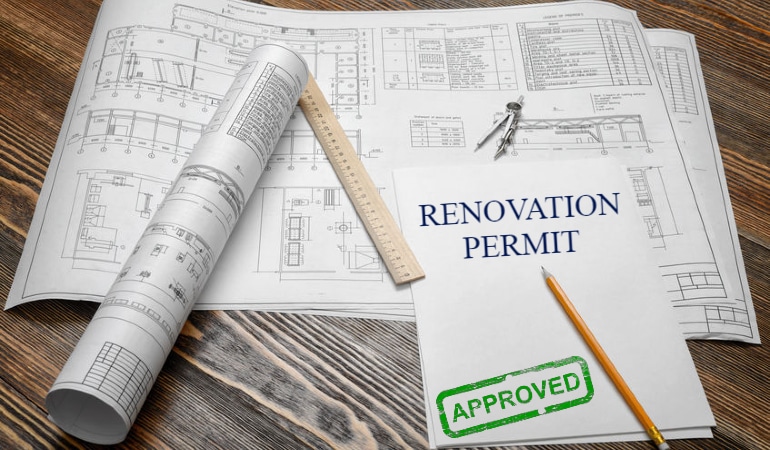
Navigating the maze of permits and legal requirements is another area where DIY renovators often encounter unexpected costs. Many types of home improvement projects require permits from local authorities to ensure the work complies with building codes and regulations. Obtaining these permits involves fees that can vary widely depending on the project’s scope and location. In some cases, the process may also require hiring experts to prepare and submit the necessary documentation, adding to the cost.
Failure to secure the appropriate permits can result in costly fines and even the requirement to undo completed work, leading to further expenses. Additionally, inspections by local authorities, which are part of the permitting process, may identify issues that require additional work to meet code, further increasing the project’s cost. These legal and bureaucratic hurdles add a layer of complexity and expense to DIY renovations that many homeowners may not anticipate when planning their projects.
Finishing Costs Overruns

The final stages of a renovation often involve finishing touches such as painting, trim work, flooring, and fixtures. These elements, while seemingly minor in the context of the entire project, can significantly impact the overall appearance and functionality of the space. However, the costs for these finishes can quickly add up, especially if the homeowners opt for higher-end materials or last-minute upgrades. This phenomenon, sometimes referred to as “finishing fatigue,” occurs when individuals, tired of the renovation process, choose more expensive options to complete the project more quickly.
Underestimating the cost of finishing touches is a common oversight that can lead to budget overruns. As the project nears completion, unexpected expenses such as additional decor, professional cleaning, or landscaping to enhance the renovated space can emerge. These costs, though often considered minor in isolation, can collectively represent a significant financial burden, underscoring the importance of allocating sufficient funds for the project’s final phase.
Psychological and Emotional Costs

Beyond the tangible expenses associated with DIY home renovations, there are significant psychological and emotional costs that can impact homeowners. The stress of managing a renovation project, especially one that encounters unexpected challenges or extends beyond the anticipated timeframe, can take a toll on individuals and families. This emotional strain can manifest as anxiety, frustration, and tension between family members, affecting relationships and overall well-being.
The sense of satisfaction from completing a DIY project can be significant, but the journey to completion can test one’s patience and resilience. The pressure to make decisions, manage a budget, and deal with the disruption to daily life can be overwhelming. Recognizing and preparing for the emotional investment required for a DIY renovation is crucial. It’s important to weigh these factors alongside the financial costs when considering whether to undertake a DIY project or seek professional assistance.
Unlock the Secrets to Successful DIY Projects
Embarking on a DIY home renovation can be an enriching experience, offering personal satisfaction and potential savings. However, the journey is fraught with hidden costs, from underestimated materials and specialized skills to legal fees and emotional tolls. Awareness and preparation for these unforeseen expenses are crucial for a successful project. As you consider transforming your space, remember to plan comprehensively, budget wisely, and, most importantly, embrace the adventure of creating a home that reflects your vision and hard work.