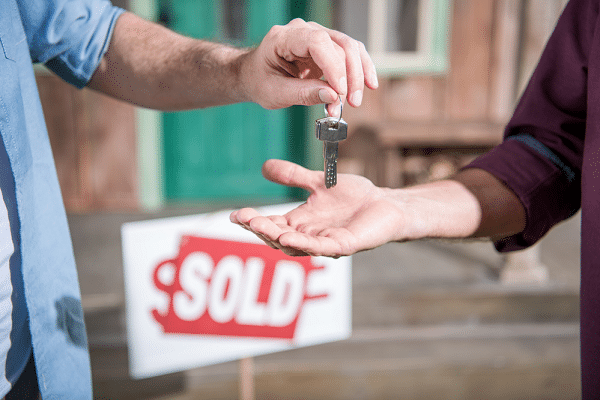
Buying a home is one of the most significant investments you will make in your lifetime. It’s a journey filled with excitement, anticipation, and often, a fair share of stress. The keyword to a successful home buying experience is preparation. This blog post aims to provide you with practical home buying tips to guide you through this process. By the end of this post, you’ll have a comprehensive understanding of what it takes to navigate the complex path of home ownership, from establishing a budget to planning for move-in and maintenance costs.
Contents
Understanding Your Home Buying Needs

Before diving headfirst into the home buying process, it is paramount to understand your personal and financial needs. Each home buyer has unique needs and wants, shaped by their lifestyle, family size, career, and long-term goals. Do you need a home office? How many bedrooms do you require? Is a large backyard important for your children or pets? These are essential questions to ponder.
Financial needs are equally crucial. Analyzing your current financial situation and projecting it into the future can prevent you from overextending yourself. Consider your current income, savings, and existing debts. Remember, buying a home doesn’t just involve the purchase price – there are ongoing costs like property taxes, insurance, and maintenance to factor into your budget.
This section of the blog post is designed to guide you through the most important home buying tips. Each subsection provides detailed advice to help you navigate the sometimes overwhelming journey of home purchase.
Establish A Budget

Establishing a budget is the cornerstone of a successful home buying experience. It helps you determine what you can afford and prevents you from falling in love with homes outside your price range. Your budget should account for the down payment, monthly mortgage payments, homeowners insurance, property taxes, and closing costs. It’s also smart to set aside funds for unexpected expenses.
A pre-determined budget can also streamline your property search. It narrows down your options, helping you focus on homes within your price range. This saves time and reduces the potential frustration of sifting through endless listings that don’t match your financial capacity.
Secure A Pre-Approved Mortgage

Securing a pre-approved mortgage is a smart move for any prospective home buyer. It gives you a clear picture of how much the bank is willing to lend you and the interest rates applicable. This information is invaluable when establishing your budget and negotiating home prices.
Moreover, a pre-approved mortgage gives you an edge in a competitive property market. Sellers often prefer buyers who have pre-approved mortgages as it indicates that they are serious and financially capable of purchasing the property. This can be particularly beneficial in a seller’s market, where there’s high demand for homes and multiple offer situations are common.
Find A Reputable Real Estate Agent

A good real estate agent is an invaluable asset when buying a home. They have expert knowledge of the housing market, negotiation skills, and understand the complex paperwork involved. An agent can provide insights into neighborhoods, help you find homes within your budget that meet your needs, and guide you through the negotiation and closing process.
Choosing a reputable agent is crucial. Ask for referrals from friends or family, check online reviews, and interview potential agents. You want someone who understands your needs, communicates well, and has a good track record in the market you’re interested in.