Contents
Hidden Molds – The Invisible Threat

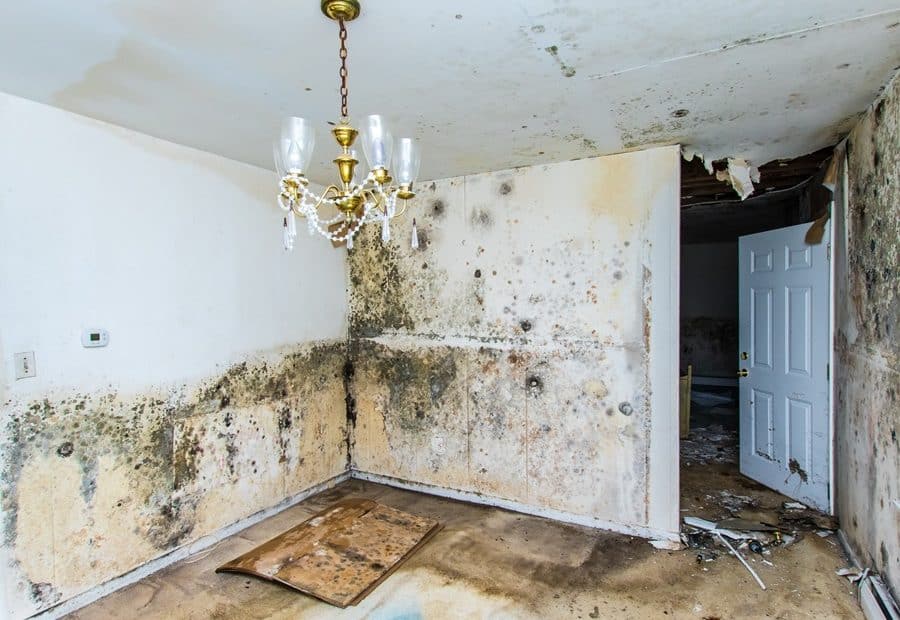
Mold is not always visible and can lurk in hidden areas of the home, such as behind wallpaper, under carpets, or inside walls. These hidden molds pose a significant threat as they can go unnoticed for a long time, allowing for significant growth and increased health risks. Homeowners may not know the mold until physical symptoms or a musty odor become apparent.
Detecting hidden mold requires vigilance and sometimes professional assessment. Homeowners should be aware of signs of water damage or moisture issues, as these often indicate the presence of mold. Regular inspections in prone areas, such as basements and attics, can help in early detection. If hidden mold is suspected, hiring a professional to conduct a thorough assessment and ensure that all mold is identified and removed safely may be necessary.
Prevention and Control

Preventing mold growth is key to maintaining a healthy home environment. One effective strategy is to control indoor humidity, as mold thrives in moist conditions. Using dehumidifiers and ensuring proper ventilation in areas like bathrooms and kitchens can significantly reduce the risk of mold growth. Additionally, fixing leaks promptly and ensuring good drainage around the home can prevent water accumulation, a common cause of mold.
Regular cleaning and maintenance are also crucial in preventing mold. This includes routinely checking areas prone to moisture, such as under sinks and around windows, and cleaning them to prevent mold growth. Using mold-resistant products in home renovations, such as mold-resistant drywall or paints, can also help prevent mold in homes, particularly in areas susceptible to dampness.
Legal Aspects and Tenant Rights

In rental properties, mold can raise legal concerns, particularly regarding tenant health and safety. Landlords are generally responsible for providing a safe and habitable living environment, including addressing mold issues. Tenants facing mold problems should inform their landlords promptly and in writing, documenting the issue and its impact on their health.
The legal obligations regarding mold vary by location, but tenants typically have the right to request mold remediation. If landlords fail to address mold issues adequately, tenants may have legal recourse, such as withholding rent or terminating their lease. Understanding local laws and regulations regarding tenant rights and landlord responsibilities is crucial.
Mold Remediation – Steps and Safety Measures

When dealing with mold, safety should be the top priority. For small areas of mold, homeowners can undertake remediation themselves using protective gear such as gloves, masks, and goggles. It’s important to use the right cleaning agents and to ensure the area is well-ventilated during the cleaning process.
For larger mold infestations or when mold is hidden, hiring professionals with the expertise and equipment to safely remove mold is advisable. Professional remediation involves removing the mold and addressing the underlying moisture problem to prevent recurrence. Proper disposal of mold-infested materials is also critical in the remediation process.
The Economic Impact of Mold
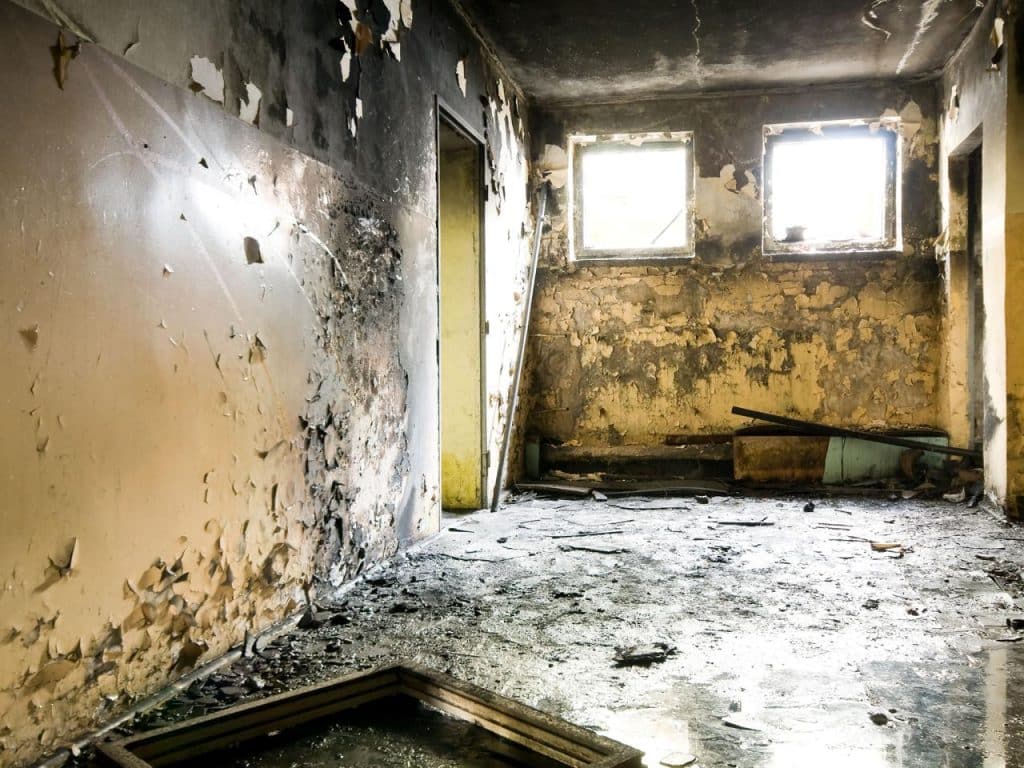
Mold can have a significant economic impact, both in terms of remediation costs and property value. The cost of mold removal varies depending on the problem’s extent and the affected area’s size. Failure to address mold issues promptly can lead to more extensive damage and higher costs in the long run.
Mold can also affect property values. Homes with a history of mold problems may be less appealing to buyers, potentially reducing their market value. Regular maintenance and prompt action at the first sign of mold can help preserve a home’s value and avoid costly repairs.
The Bottom Line
Mold in the home is a serious issue that demands attention and action. Understanding the various aspects of mold, from its health implications to prevention and remediation strategies, is essential for maintaining a safe and healthy living environment. While mold can be daunting, knowledge, vigilance, and timely action can effectively mitigate its risks. By addressing mold issues head-on, homeowners and tenants can ensure their homes are aesthetically pleasing and safe and sound for all occupants.