
It’s the middle of summer, and it’s hot! You’re probably using your air conditioner to stay cool. But what happens when your air conditioner breaks down in the middle of summer? You could be left sweating in your own home! That’s why it’s crucial to maintain your HVAC unit, so it doesn’t break down when you need it most. This blog post will discuss how to properly maintain your HVAC unit so that you can stay cool all summer long!
Change Your Filters

When was the last time you changed your filters on your machine? Disposable filters keep your equipment clean and remove the most significant pollutants from your indoor air. It is best to change them every 1-3 months, possibly sooner if you suffer from allergies or have pets in your house.
When replacing your filter, choose one with a MERV 7-11 rating. Anything higher than that will decrease the amount of air flowing through your system, putting an unnecessary strain on it and reducing its efficiency. If you have an air purification system, follow the manufacturer’s instructions for changing the filters. In ductless systems, remember to wash the reusable filter every month.
Cleaning Your Condensing Unit
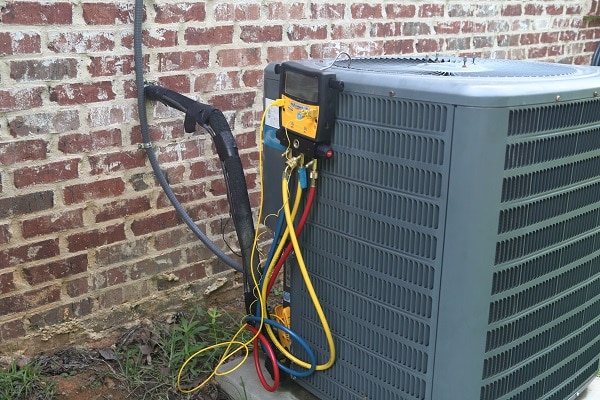
Most air conditioners include an outdoor condensing unit/heat pump with a fan on top to distribute heat in the summer. The condensation unit’s metal fins can easily clog with dust, pollen, and grime. To clean the condensing unit, spray it with a water hose. Just avoid using a pressure washer as this can damage your unit beyond repair. However, you can also use a soft bristle brush to remove any debris stuck on the fins carefully. Don’t forget to clean off the top of the unit as well! While the fan blades can get overlooked, they must be free of dirt and debris for your system to function correctly.
Cleaning Your Coils
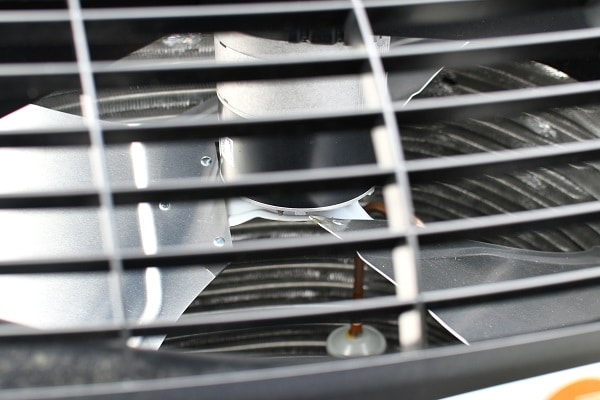
Over time, your air conditioner’s evaporator and condenser coils accumulate grime. A clean filter allows the evaporator coil to stay cleaner for longer. Nonetheless, the evaporator coil will eventually gather dirt even after replacing the filter. This debris obstructs airflow and insulates the coil, reducing its heat-transmitting capacity. To prevent this problem, examine your evaporator coil at least once a year and clean it as needed.
If the outside environment is dusty or there is foliage nearby, indoor condenser coils may develop a layer of dust. The condenser coil and its fins are easily visible. To keep it running smoothly, minimize dirt and debris around the condenser unit. Dirt and debris can come from various sources, including your dryer vents, falling leaves, and lawn mower. Clearing the area around the coil, removing any trash, and trimming vegetation back at least 2 feet (0.6 meters) promotes adequate airflow around the condenser.