Check Evaporator Coil’s Drain Pipe And Drain Pan

If you’re unsure where your drain pipe is, have a professional show you how to find it. Once you have located it, the first thing to do is check the drainpipe of your HVAC system for blockages formed by algae/mold and clear them if necessary. A wet-dry vacuum can remove any blocked sections, while bleach may also be used to clean them.
A blocked drain line is one of the most prevalent breakdowns addressed in the spring and summer. Water pouring through the ceiling is one of the most common symptoms that it has developed. Unless an emergency float switch or “ceiling saver” is utilized to turn off the air conditioning, homeowners may learn about it when water gushes through their ceilings.
Check Freon Levels
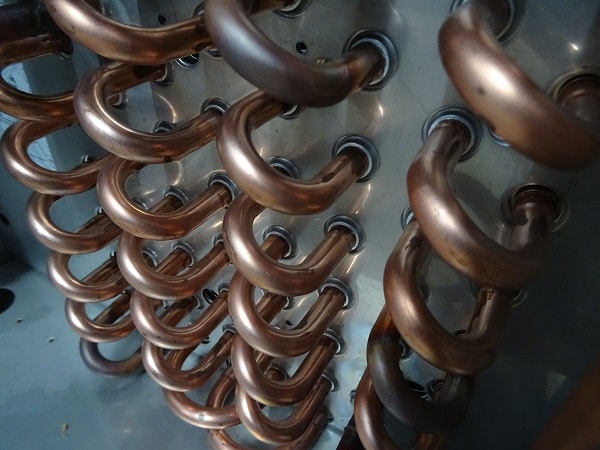
If your air conditioner is not cooling correctly, it may be because the Freon levels are low. Freon is a refrigerant that helps to cool the air in your home. When the Freon levels are low, your air conditioner will not be able to cool your home properly. Freon is dangerous, so it is vital to have a professional check the Freon levels in your air conditioner periodically throughout the year.
Check For Holes In Ductwork

If you have holes in your ductwork, it can cause your air conditioner to work harder than it has to. This will not only make your air conditioner less efficient, but it can also cause your energy bills to go up. If you think you may have holes in your ductwork, have a professional come and take a look.
Check Thermostat Settings
If your air conditioner is not cooling correctly, one of the first things you should check is the thermostat settings. Ensure that the thermostat is set to “cool” and that the temperature is set lower than the current temperature in your home. If the thermostat is set correctly and your air conditioner still isn’t cooling properly, you may need a professional to come and take a look.
Call A Professional

Most HVAC companies recommend that you have a professional come in twice a year for preventative maintenance. This includes flushing the coils, inspecting the drain pan and drainage system, vacuuming the blower compartments, checking voltage, monitoring refrigerant levels in the air conditioning unit, examining furnace operation, and checking voltage on motors and loose wires. Spring is an excellent time to service your air conditioning equipment; fall is when your heating equipment gets serviced. If everything goes well, the professional should be able to detect any issues before they become major problems.
Conclusion
As you can see, there are a few things that you can do to maintain your HVAC unit. By following these simple tips, you can help extend the life of your HVAC unit and keep it running properly for years to come. If you have any questions about maintaining your HVAC unit or need help troubleshooting a problem, contact a qualified HVAC professional. They will be able to help you get your unit back up and running in no time!