
Rodent infestations are a common nuisance affecting many homes, posing health risks and potential damage to property. Recognizing the signs and understanding the behaviors of these pests are essential first steps toward maintaining a rodent-free home. Effective prevention strategies not only safeguard your living space but also contribute to the overall wellbeing of your household. By taking proactive measures, you can significantly reduce the likelihood of these unwelcome guests making your home theirs.
Contents
Understanding Rodent Behavior
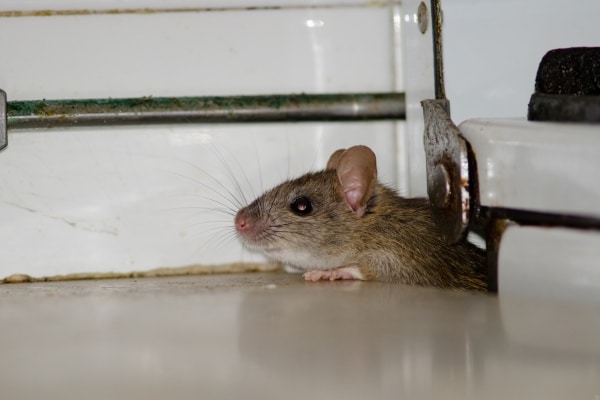
Rodents seek environments that offer abundant access to food, water, and shelter, making residential areas ideal for them. These pests are primarily nocturnal and can enter homes through surprisingly small openings. Recognizing the early signs of their presence is crucial, such as noticing droppings near food storage areas, hearing scratching sounds from within walls, or finding gnawed packaging. Early detection is key to preventing a minor sighting from becoming a major infestation.
In addition to these signs, understanding the natural behavior of rodents can aid in managing them more effectively. They typically follow consistent paths along walls due to their poor eyesight, which is why homeowners might notice grease marks or trails along baseboards. This predictability in their movement patterns can be used to strategically place traps and baits, ensuring they are as effective as possible in capturing or deterring these pests.
Sealing Entry Points

Preventing rodents from entering in the first place is more effective than dealing with an infestation after it occurs. Conducting a detailed inspection of your home to identify potential entry points is essential. Look for cracks, holes, and gaps around the foundation, windows, and doors. Any openings larger than a quarter-inch should be sealed with durable materials like steel wool or metal flashing to prevent rodents from gnawing through.
Focus should also be given to less obvious entry points, such as where utility lines enter the house, around basement windows, and under doors. Installing brush strips on the bottoms of doors and placing mesh screens over vents can also help block entry. Regular maintenance checks to re-seal gaps and repair any damages are crucial to keeping your defenses strong against rodent intrusions.
Proper Food Storage and Waste Management

Securing food sources is pivotal in deterring rodents from infesting your home. All food items should be stored in airtight containers made of glass or metal, as these materials are resistant to gnawing. Keeping kitchens and dining areas free of food debris and promptly cleaning up crumbs and spills are practices that should be maintained diligently.
Effective waste management is equally important in controlling rodent populations. Garbage should be disposed of regularly and stored in receptacles with tight-fitting lids to minimize odors that attract rodents. If composting, ensure that the compost bin is rodent-proof and located away from your house. This prevents your efforts to recycle organic waste from inadvertently providing a food source for pests.
The Role of Cleanliness

Maintaining cleanliness throughout your home can significantly discourage rodent infestations. Rodents are attracted to clutter and debris because it provides them with numerous hiding spots and nesting materials. Regularly removing clutter, organizing storage areas, and keeping floors and counters free of debris are effective strategies to make your home less appealing to these pests.
Addressing moisture within your home is also critical, as rodents require water to survive. Ensure that any plumbing leaks are repaired promptly and that damp areas are ventilated. Simple measures like using a dehumidifier in moist areas like basements can deter rodents, who otherwise would be attracted to these spots for both nesting and drinking.