The concept of indoor-outdoor living has captured the hearts of homeowners and designers alike. It represents a harmonious blend of comfort and nature, creating a fluid transition between interior spaces and the outdoors. This trend emphasizes the importance of connectivity with the environment, enhancing not only the aesthetic appeal of a home but also its functionality and livability. As people seek more versatile living arrangements, integrating indoor and outdoor spaces offers a solution that maximizes space and enriches the living experience. This article explores the appeal, design principles, and practical tips for achieving a perfect indoor-outdoor living space, transforming homes into personal sanctuaries that promote well-being and enjoyment.
Contents
The Appeal of Indoor-Outdoor Living
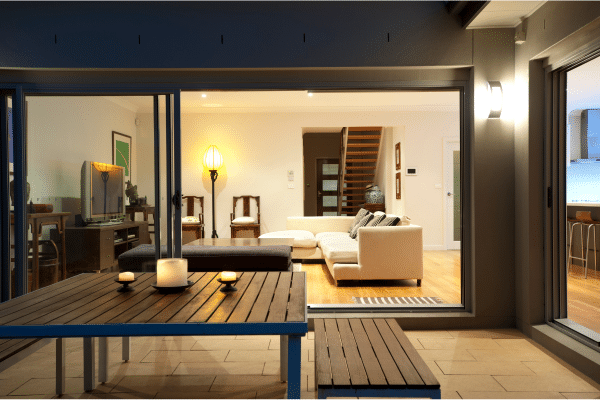
Indoor-outdoor living has surged in popularity due to its numerous benefits and enhanced lifestyle. One of the primary reasons for its appeal is the emotional and psychological upliftment it provides. Being closer to nature can significantly reduce stress and improve overall well-being, making outdoor living spaces an essential feature for many. The flexibility of having a seamless transition between indoor and outdoor areas allows homeowners to utilize their space more efficiently. This blend of environments creates a dynamic living space that can adapt to various activities, whether entertaining guests, enjoying a family meal, or finding a quiet moment of relaxation.
Moreover, the integration of indoor and outdoor spaces can substantially increase a home’s value. Real estate trends indicate that homes with well-designed outdoor living areas are more attractive to potential buyers. These spaces not only enhance a property’s aesthetic appeal but also expand its functional living area, providing additional square footage without extensive renovations. As modern lifestyles evolve, the demand for versatile and adaptable living spaces will likely keep rising, making indoor-outdoor living a sustainable and desirable home design trend.
Designing Seamless Transitions
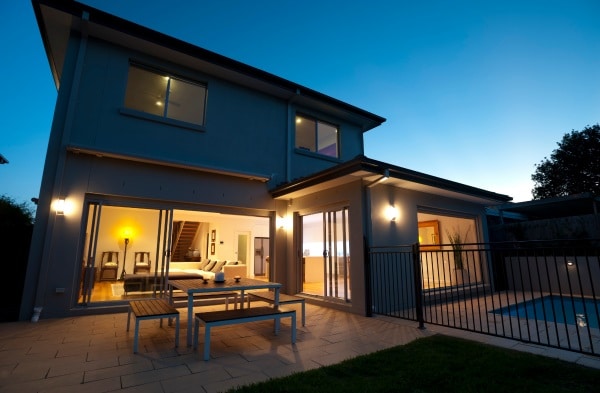
Creating a seamless transition between indoor and outdoor spaces is crucial for achieving a cohesive and functional living environment. One effective way to accomplish this is by carefully designing doorways and windows that connect these areas. Sliding or bi-fold doors are popular choices as they can create wide, unobstructed openings that blend indoors and outdoors. Placing windows strategically can also enhance the connection by maximizing views and natural light, further blurring the lines between the two spaces. The goal is to create an inviting passage that encourages movement and interaction between indoor and outdoor areas.
Continuity in materials and colors plays a vital role in designing seamless transitions. Using the same flooring materials, such as tiles or hardwood, for indoor and outdoor spaces can create a unified look. Similarly, maintaining a consistent color palette helps visually merge the areas, making the transition smooth and natural. It’s also important to consider textures and finishes, ensuring that they complement each other and enhance the overall design. By paying attention to these details, homeowners can achieve a harmonious flow that enhances their living spaces’ overall aesthetic and functionality.
Outdoor Furniture That Feels Indoors
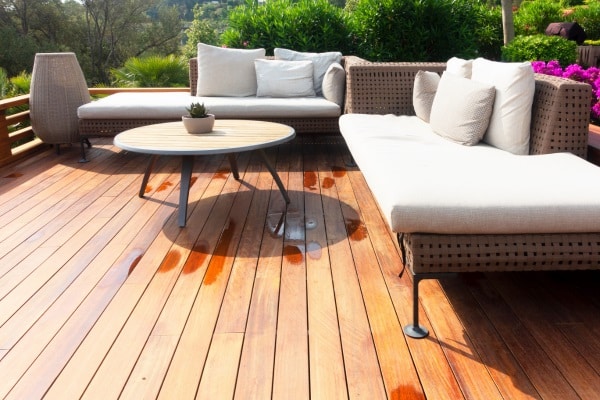
Selecting outdoor furniture that mirrors the comfort and style of indoor pieces is essential for creating an inviting and cohesive outdoor living area. Comfort should not be compromised when moving from indoors to outdoors. Outdoor sofas, cushioned chairs, and stylish dining sets can provide the same comfort and aesthetic appeal inside the home. The key is choosing furniture that is comfortable and durable enough to withstand the elements. This ensures that the outdoor space remains functional and appealing throughout the year.
Materials play a significant role in achieving this balance. Weather-resistant fabrics and durable materials such as teak, rattan, and aluminum are excellent choices for outdoor furniture. These materials are designed to endure various weather conditions while maintaining appearance and comfort. UV-resistant and waterproof fabrics for cushions and upholstery help preserve the look and feel of the furniture, ensuring that it remains inviting and comfortable over time. By selecting the right furniture, homeowners can create outdoor spaces that are as cozy and stylish as their indoor counterparts.
Climate Control and Comfort
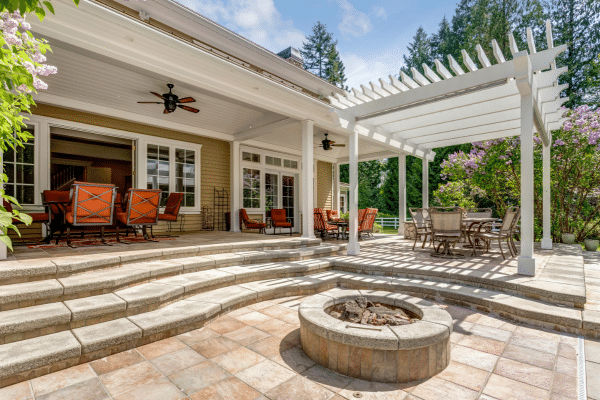
Maintaining comfort in outdoor living spaces across different climates is a challenge that can be addressed with thoughtful design and appropriate installations. Outdoor heaters or fire pits are excellent additions for cooler weather, providing warmth and extending the usability of the space into the colder months. Fans, misters, and shade structures can make the outdoor areas comfortable and enjoyable for hotter climates. Retractable awnings and pergolas offer adjustable solutions for managing sunlight and shade, allowing homeowners to adapt the space to their comfort needs throughout the day.
Integrating these climate control features should be seamless and enhance the overall design of the outdoor space. Installing outdoor heaters or fire pits can create cozy gathering spots that invite family and friends to enjoy the outdoors even when temperatures drop. Similarly, fans and misters can be strategically placed to provide relief from the heat without disrupting the aesthetic flow of the space. By incorporating these elements, homeowners can ensure that their outdoor living areas remain comfortable and inviting year-round, regardless of the weather conditions.