
Invasive plant species, though often attractive and seemingly harmless, can wreak havoc on gardens and natural ecosystems alike. Their rapid growth and reproduction rates enable them to outcompete native plants, leading to reduced biodiversity and disrupted ecosystems. While some of these species are admired for their aesthetic appeal, the environmental impact they create can be severe and long-lasting. This blog post will unveil several invasive plants and trees that, despite their allure, are better avoided in gardens to preserve the ecological balance. Gardeners armed with this knowledge can make informed decisions, selecting plants that are not only beautiful but also beneficial to the local environment.
English Ivy (Hedera helix)

English Ivy, a popular ornamental plant, is renowned for its vibrant green foliage and the classic aesthetic appeal it adds to any garden space. However, this seemingly innocuous plant is invasive and can quickly overwhelm surrounding vegetation. Its rapid growth allows it to form dense ground covers, suffocating other plants and inhibiting their access to essential sunlight.
Furthermore, English Ivy is adept at climbing, and its tendrils adhere firmly to the surfaces of trees, walls, and other structures. This allows the ivy to ascend to great heights, often enveloping entire trees and buildings. In forests, it can lead to “ivy deserts,” areas where the ivy’s dense growth inhibits the emergence of other plant species and disrupts local ecosystems. As it scales trees, the additional weight and surface area exposed to wind can increase the risk of tree fall during storms, posing a significant risk to both the environment and property.
Oriental Bittersweet (Celastrus orbiculatus)
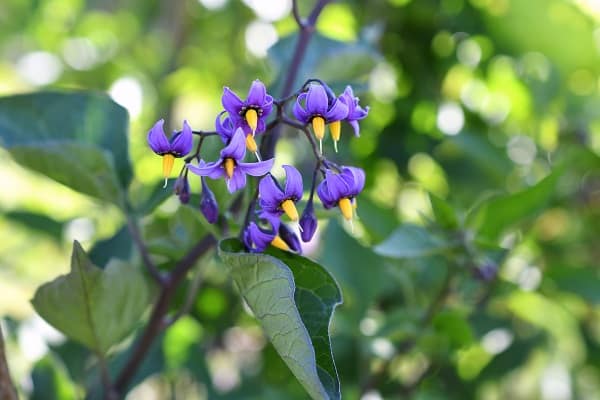
Oriental Bittersweet, with its vibrant, colorful berries, can often be seen adorning gardens and wild areas, especially during the fall. However, beneath its beautiful facade lies a plant with an aggressive, invasive nature. Its vines wind tightly around trees and other plants, often girdling and killing them. The rapid growth of Oriental Bittersweet enables it to blanket forest floors, open fields, and wetland areas, posing a significant threat to native vegetation.
The impact of Oriental Bittersweet extends beyond simply outcompeting native plants for resources. As it strangles and overshadows native vegetation, ecosystems are disrupted, and wildlife habitats are degraded. Moreover, the dense thickets it forms contribute to increased erosion by displacing the native vegetation that typically protects soil from the elements. Thus, while it may be aesthetically pleasing, the ecological damage caused by Oriental Bittersweet is a substantial concern that warrants caution.
Norway Maple (Acer platanoides)
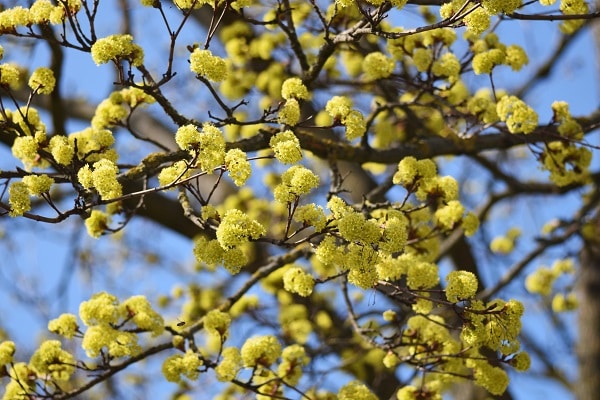
The Norway Maple is often admired for its lush, broad leaves and is a common choice for urban landscaping projects. However, beneath its aesthetic appeal lies a troubling invasive nature. It proliferates rapidly and has an ability to thrive in a variety of soil and climate conditions, leading to its spread across various ecosystems. Native understory vegetation often struggles to compete with the Norway Maple due to its dense canopy and the shade it casts.
Moreover, the Norway Maple impacts soil quality adversely. It releases chemicals that can alter soil composition, making it inhospitable for many native plant species. The tree’s dense root system also competes aggressively for water and nutrients, often to the detriment of surrounding plants. The cumulative effects of these characteristics can lead to diminished biodiversity and a shift in the ecological balance of invaded areas.