
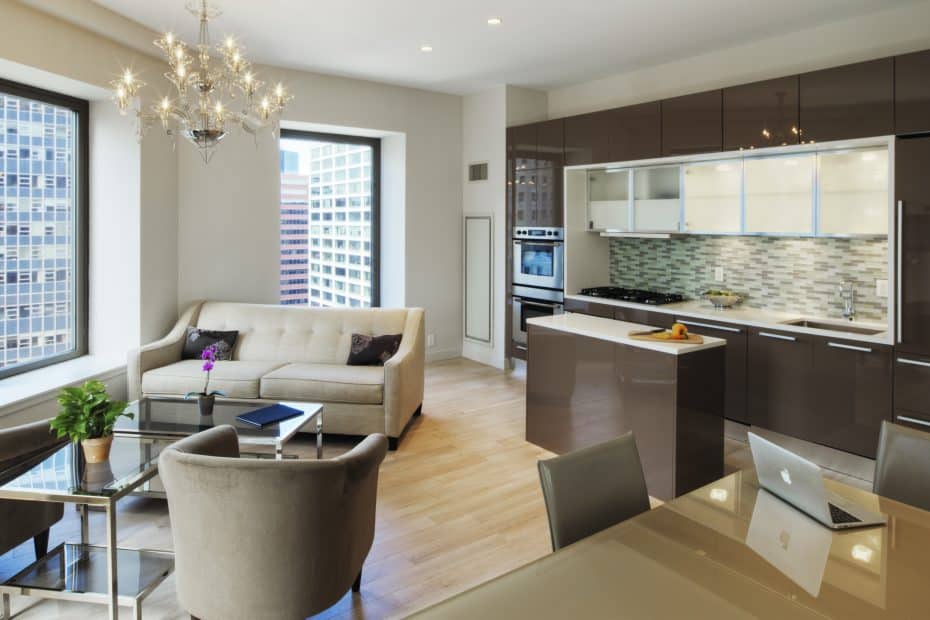
More Visually Appealing
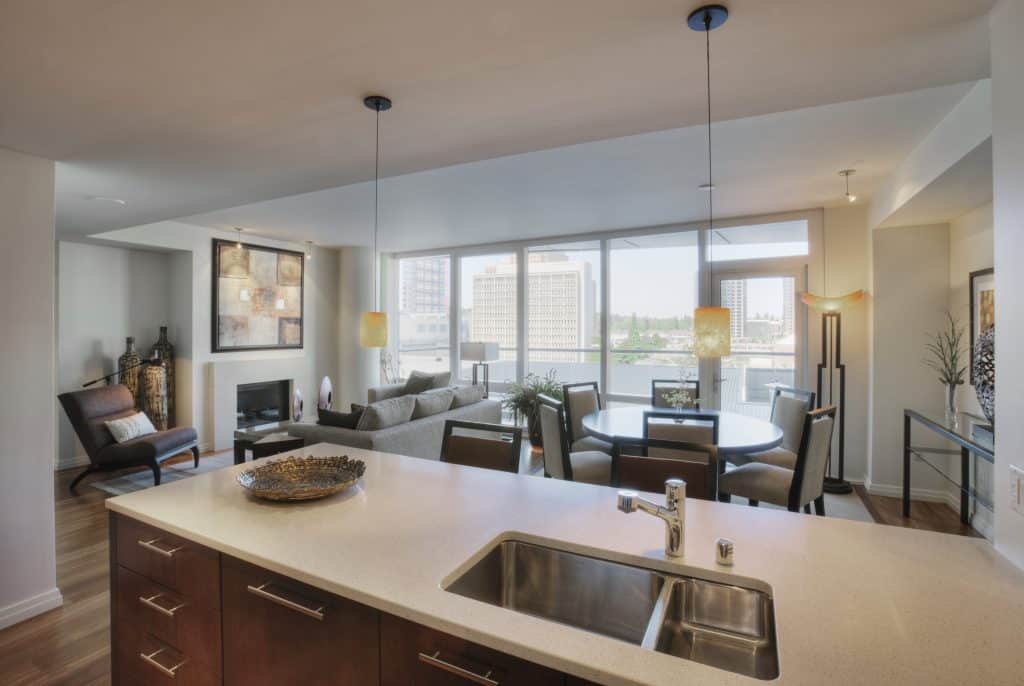
This might be the most obvious of the benefits, but it still deserves a mention. Open floor plans create an airy, open, aesthetically pleasing, and inviting atmosphere. The lack of walls and barriers allows for greater visual flow between rooms, making the space appear larger and brighter than it is.
Plus, with an open floor plan, you can easily incorporate different design elements, colors, and textures to create a truly unique aesthetic. Whether you prefer a modern or traditional look, an open floor plan provides the perfect canvas for your interior design dreams.
Cons Of Open Floor Plans
While there are many benefits associated with open floor plans, it’s essential to be aware of their drawbacks as well. Here are some of the potential downsides:
Lack Of Privacy

Privacy can be a big concern when it comes to open floor plans. There is often a lack of personal space without walls to separate different areas of the home. For example, if you are entertaining guests in the living room, there is no way to prevent them from entering other parts of your home.
Additionally, it can be challenging to host private conversations or complete tasks without feeling like you are being watched or overheard. This lack of privacy can be a deal-breaker for those who value their personal space.
Soundproofing Issues
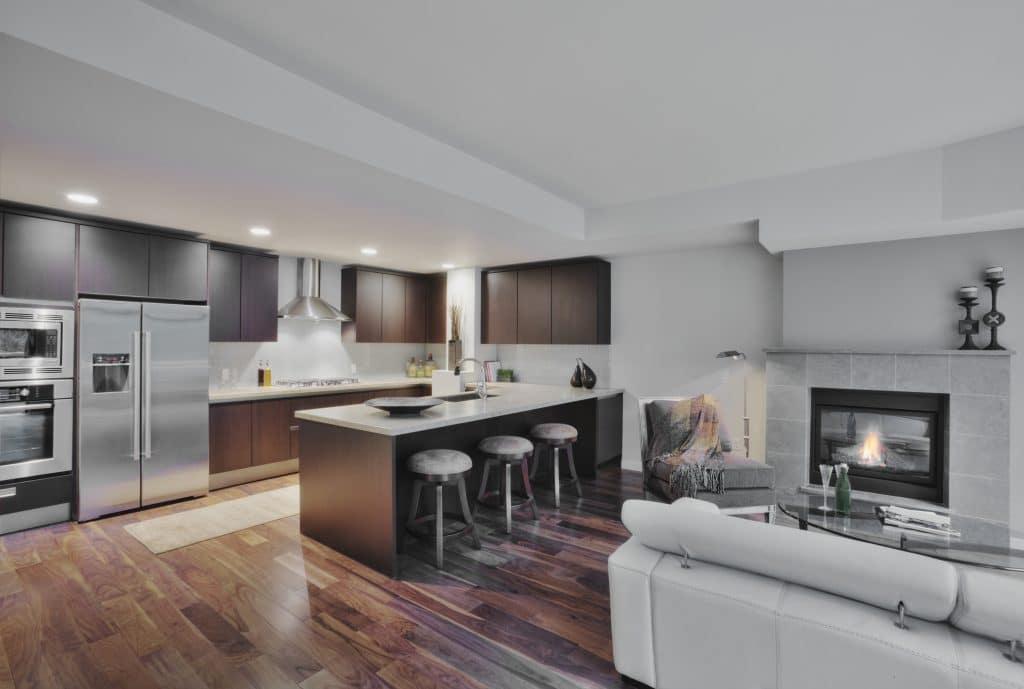
The way noise carries through an open floor plan can be a major issue for some. Without walls to dampen sound, noise from one area of the home can easily travel to another. This can make it difficult to concentrate or even take a nap if there is a lot of activity in other parts of the house.
It’s also important to note that an open floor plan can make it easier for outside noise to enter your home. An open layout might not be the best choice if you live in a noisy area.
Difficulty Creating Defined Spaces
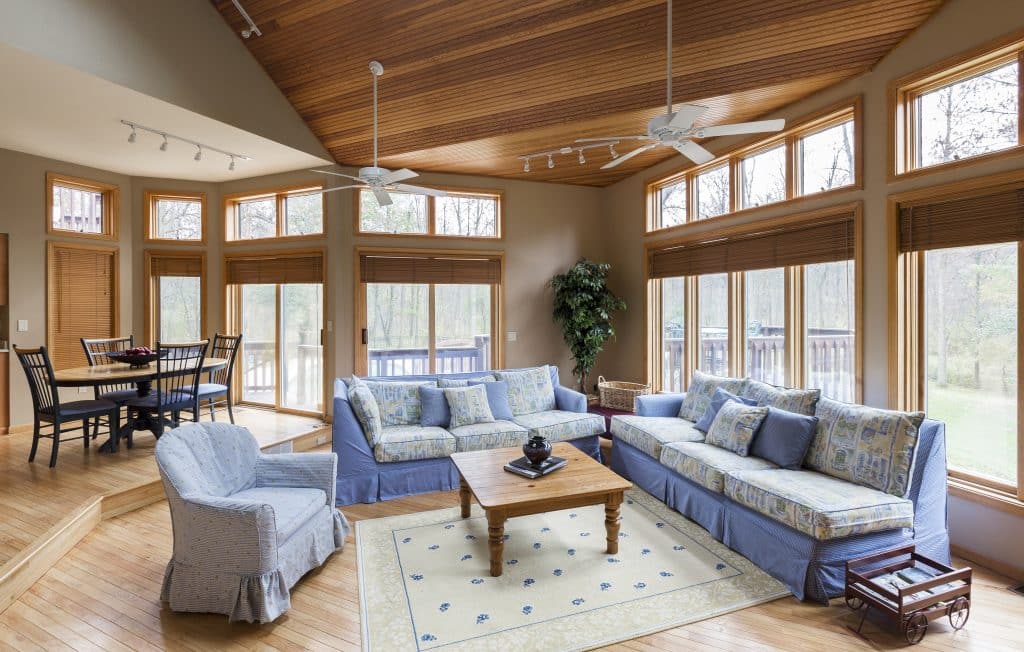
Depending on what you look for in a home, an open floor plan can make it difficult to create distinct spaces. For example, if you want separate living and dining areas, the lack of walls may make it harder to distinguish between them. Additionally, some people prefer having doors and walls to help define where one space ends and another begins.
Without these cues, creating distinct areas for specific activities can be challenging. And if you want to add features such as a home office or theater room, an open floor plan might not be the best option.
Consider The Pros And Cons Of Open Floor Plans!
If you are considering an open floor plan for your home, it’s important to weigh both the pros and cons. With the correct design elements and furnishings, an open floor plan can be a great way to create a bright and airy atmosphere in your home. However, there are certain drawbacks that you need to consider as well. Ultimately, it’s up to you to decide if this style of home is the right fit for your lifestyle and needs.