
Plant Pairings for Ornamental Gardens

Marigold and Petunias
Marigolds and petunias make a visually stunning and functional pair in any ornamental garden. Marigolds emit substances that deter a range of pests, including nematodes. Petunias, on the other hand, attract pollinators like butterflies and bees, which help improve the garden’s overall health.
Lavender and Roses
The beautiful lavender plant serves a dual role when planted next to roses. Its strong fragrance is a natural deterrent for pests like aphids, which often plague rose plants. Moreover, the lavender helps to attract pollinators, ensuring that the roses have all the help they need to bloom fully.
Avoid These Plant Combinations
Tomatoes and Potatoes
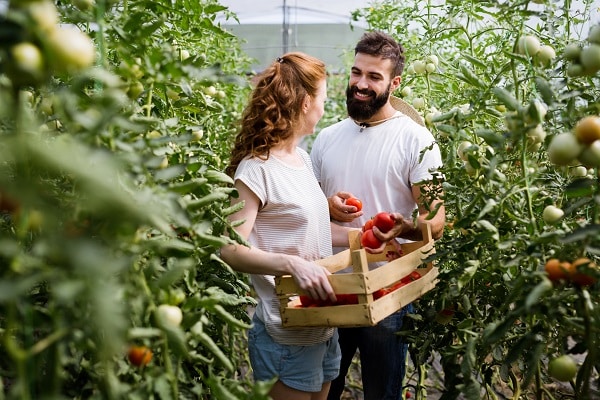
Tomatoes and potatoes are from the same family and are susceptible to similar diseases like blight. Planting them together increases the risk of disease spread. Moreover, these two plants are heavy feeders, which deplete the soil nutrients quicker, leaving the soil impoverished for future planting seasons.
Garlic and Beans
Garlic is known to stunt the growth of beans. It emits certain substances that can inhibit the growth of beans, thus making this pairing counterproductive. For gardeners aiming for a thriving and harmonious garden, avoiding such incompatible combinations is crucial.
How to Start Your Own Companion Planting
Planning the Garden
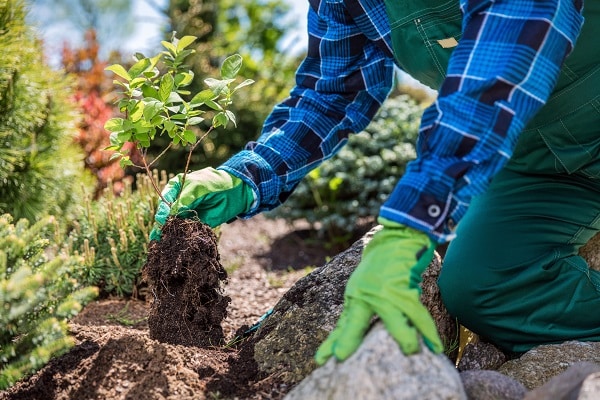
Before one plunges into the world of companion planting, drawing a blueprint of the garden space is imperative. This allows gardeners to allocate sufficient space for each plant pair, considering their respective sunlight, water, and nutrient needs. A well-thought-out plan serves as a solid foundation for a successful garden.
Soil Preparation
The soil is the cornerstone of any garden, even more so in a companion planting setup. Soil testing can reveal nutrient levels and pH balance, helping in the precise amendment of the soil. Organic matter like compost can be added to improve soil structure, providing the ideal base for companion plants to thrive.
The Bottom Line
Companion planting offers a holistic approach to gardening that capitalizes on natural plant relationships for mutual benefit. By understanding which plants to grow side by side, gardeners can improve yields, deter pests, and create a flourishing garden ecosystem. As each garden is unique, it’s important to experiment with different combinations to discover what works best in your specific environment. Take the leap and explore the fascinating world of companion planting—your garden will thank you.