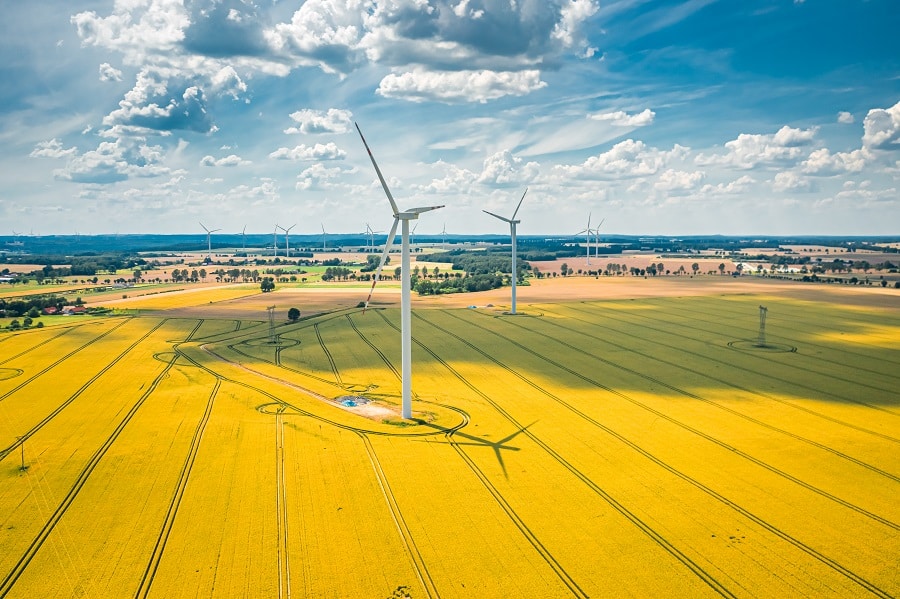
In today’s world, hidden beneath the smog and grime of heavy industry lies a revolution that has been slowly emerging for decades: alternative energy sources. But with such massive changes happening so quickly, it can be hard to stay up-to-date on their pros and cons; what are their efficacy levels? Are there any long-term implications for using these technologies? This post will explore all of these questions in detail – and hopefully provide you with insight into how best to choose alternative energy sources for your own needs!
Contents
What You Need To Know About Alternative Energy Sources
In today’s world, alternative energy sources are becoming increasingly important as humans strive towards creating a sustainable future for the planet. These sources of energy are a means of producing power that does not rely on non-renewable resources, such as coal or oil. Some of the most well-known alternative energy sources include wind, solar, and hydropower. However, with technological advancements, there are now even more options available, including geothermal and biomass.
The idea behind alternative energy sources is that they are not only more environmentally friendly but also provide a greater degree of independence for countries and individuals. For example, you can install solar power in any area where there is enough sunlight, which means no reliance on electricity grids or other types of infrastructure. Similarly, wind and hydropower require far less land than traditional forms of energy, allowing more people to access them.
The Pros and Cons of Alternative Energy Sources
Each alternative energy source offers unique advantages and disadvantages that people must consider when evaluating their potential for widespread adoption. In the following sections, you will delve into the pros and cons of some of the most common alternative energy sources to provide a comprehensive overview of the various options available for powering the world.
Solar Energy
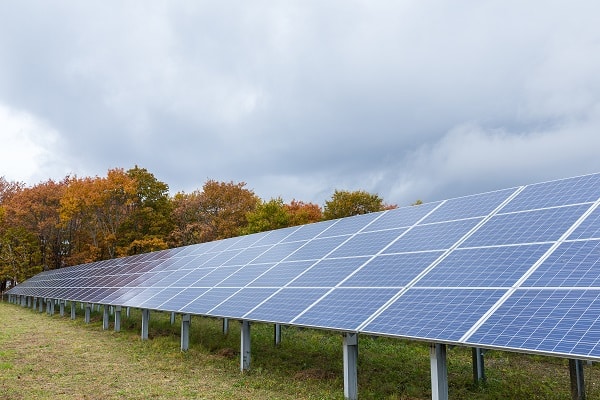
Solar energy harnesses the power of the sun, providing a renewable and abundant source of energy with low operational costs. The sun’s energy is available worldwide, making it a viable option for countries across the globe. Additionally, solar power generation has a minimal environmental impact, as it produces no direct greenhouse gas emissions, and photovoltaic panels can be installed on rooftops, reducing the need for large land areas.
However, solar energy has some drawbacks, including high upfront costs for equipment and installation. Moreover, the intermittent availability of sunlight means that energy production can be inconsistent, necessitating the need for energy storage solutions or backup power sources. Lastly, large-scale solar farms can require significant land use, potentially displacing local ecosystems and wildlife.
Wind Energy
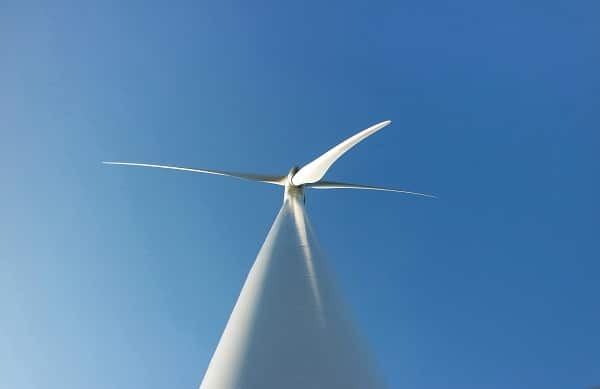
Wind energy is another renewable energy source with low operational costs and minimal greenhouse gas emissions during power generation. Wind turbines can be installed both onshore and offshore, providing flexibility in choosing suitable locations for wind farms. Additionally, wind energy projects can coexist with other land uses, such as agriculture or grazing, as they occupy relatively small land areas.
Unfortunately, wind energy also has its drawbacks. The intermittent nature of wind means that power generation can be inconsistent, similar to solar energy. Wind turbines can produce noise, and their presence may visually impact landscapes. Furthermore, wind energy projects can negatively affect wildlife, particularly bird and bat populations, if not carefully planned and managed.