
In A Bird House

Bird houses, with their varied designs and dual functionality, offer a unique and efficient method for hiding keys. To the untrained eye, a birdhouse is simply a sanctuary for birds, making it a discreet storage solution. Moreover, the presence of actual birds can act as a deterrent for anyone considering a closer inspection.
When opting for this method, it’s important to choose a birdhouse design that allows easy access to the key without disturbing its avian inhabitants. Some designs come with removable bottoms or hidden compartments, perfect for this purpose. Additionally, placing the birdhouse in a location that’s both accessible to homeowners and visible enough to deter potential snooping can further enhance its effectiveness as a key hiding spot.
In the Mailbox
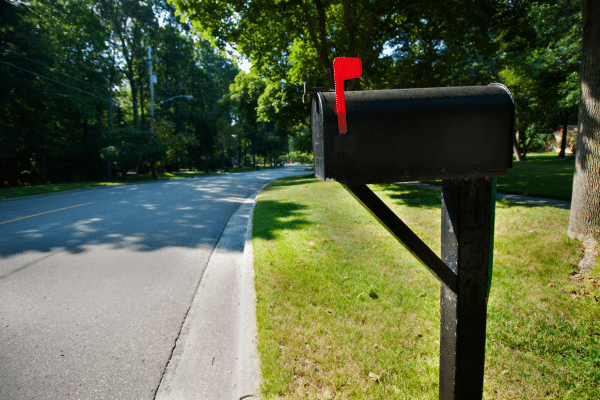
While the mailbox might seem like an obvious place, with the right approach, it can be transformed into a secure key-holding spot. For one, many individuals may dismiss it, thinking homeowners wouldn’t risk such an apparent location. However, inside the mailbox, beneath ads or junk mail, or even attached to the roof with a magnet, can be effective hiding places.
That said, it’s important to remain vigilant. Periodically checking the mailbox to ensure the key remains hidden is a smart practice. If expecting mail or packages, one might temporarily relocate the key to prevent accidental discovery. Additionally, given that mailboxes are often checked by others, the key should be camouflaged in a way that doesn’t draw attention.
Under A Potted Plant

Using nature as a shield has always been an effective way to camouflage objects. Potted plants, with their dense soil and foliage, are excellent candidates for this purpose. By burying a key beneath the surface, homeowners can tap into the natural obscurity provided by the plant.
When selecting a potted plant as a hiding spot, it’s essential to choose one that is hearty and requires minimal re-potting or maintenance. This ensures that the key remains undisturbed and reduces the chances of it being accidentally discovered during routine plant care. Additionally, the use of a small waterproof pouch to hold the key can protect it from moisture and any potential harm from plant roots or insects.
In The Dog House
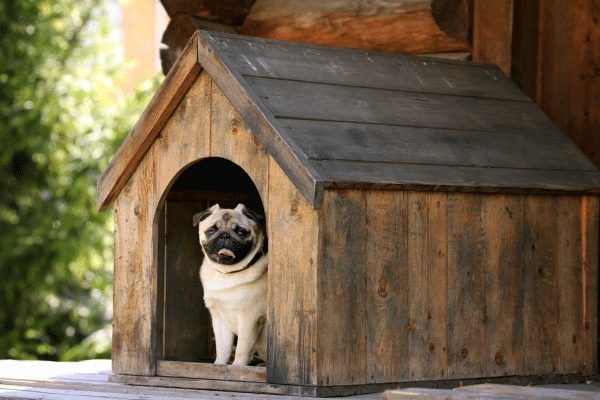
For homeowners with furry companions, a dog house presents an unexpected and effective hiding spot. The mere presence of a dog can be a strong deterrent for potential intruders, making the vicinity of a dog house less likely to be thoroughly searched. It combines the advantage of surprise with the natural defense offered by a protective pet.
When considering this option, it’s important to ensure the key is placed in a location that doesn’t disturb or pose a hazard to the dog. A small sealed pouch or container can prevent the key from getting dirty or damaged. Additionally, homeowners should always be mindful and ensure the pet doesn’t become curious and play with or swallow the key.
The Bottom Line
Hiding a key outside one’s home requires a careful balance between convenience and security. The effectiveness of a hiding spot is measured by its ability to remain undetected while still being easily accessible to those who know its location. Constantly reassessing and occasionally changing the hiding place can keep potential intruders guessing. Above all, the safety and security of a home should always be the top priority. Every method has its pros and cons, so it’s important to choose a strategy that aligns best with individual circumstances and comfort levels.