Sinkholes are a silent but dangerous threat that can cause severe damage to homes and properties. These depressions in the ground occur when the underlying rock, often limestone, is eroded by water, causing the surface to collapse. While sinkholes can form naturally over time, human activities such as drilling, mining, and construction can also accelerate their formation. Homeowners in sinkhole-prone areas should be aware of the warning signs to avoid costly repairs and potential safety hazards. This article will explore the key signs that your home might be sitting on a sinkhole and how to identify them before it’s too late.
Contents
Understanding Sinkholes and Their Causes

A sinkhole forms when the ground beneath the surface collapses, usually due to the erosion of rock by water. In many cases, the erosion occurs slowly over time, weakening the soil until it can no longer support the surface. Natural processes, such as the dissolution of limestone by groundwater, are common causes of sinkholes. However, human activities, such as mining, drilling, and excessive water extraction, can also contribute to their formation.
There are two main types of sinkholes: natural and man-made. Natural sinkholes are typically found in areas with a type of landscape called karst, where soluble rock like limestone or gypsum is common. Man-made sinkholes, on the other hand, result from infrastructure failures or human activities that destabilize the ground. In both cases, knowing the geological conditions of your area is crucial for recognizing the risks.
Warning Signs Inside Your Home

The first place to look for signs of a sinkhole is inside your home. Cracks appearing in walls, floors, or ceilings can be an early indication that something is shifting beneath the surface. Pay close attention to the size and pattern of these cracks—horizontal or diagonal cracks that widen over time are often a sign of ground instability. A stair-step crack pattern in brickwork is another red flag that should not be ignored.
Another key sign is uneven or sloping floors. If you notice that your floors seem to be sinking in some areas or if objects roll across the room without reason, this could indicate a sinkhole forming beneath your home. In addition, doors and windows that become difficult to open or close are often a result of shifting foundations. These subtle changes should be taken seriously and addressed by a professional as soon as possible.
Exterior Signs Around Your Property
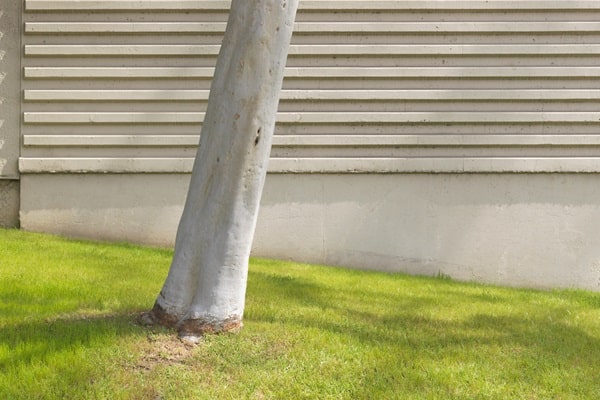
Signs of a sinkhole may also manifest outside your home, particularly in your yard or around your property’s perimeter. Depressions or small holes suddenly appearing in the ground are a clear warning that the soil beneath may be giving way. If you notice that areas of your yard are sinking, it could indicate that the ground is weakening, which may lead to a more significant collapse in the future.
Other outdoor indicators include fence posts or trees tilting unexpectedly. These changes occur because the ground beneath them is shifting, causing stable structures to lean or fall over. If water starts to pool in areas of your yard where it previously drained well, it could also be a sign of a sinkhole disrupting the normal flow of water. Cracks in driveways or sidewalks are another clue, as these structures are often the first to shift when the ground below them becomes unstable.
Water and Plumbing Issues

Sinkholes can significantly affect a home’s plumbing system, often leading to noticeable water-related issues. One of the most common signs is a sudden, unexplained drop in water pressure throughout the home. This may occur because underground pipes are shifting or breaking as the ground beneath them collapses. Another indicator is the appearance of water stains or wet areas inside your home, which may signal that the plumbing has been compromised due to ground movement.
Additionally, homeowners might notice a sudden spike in their water bills without any clear explanation. This could mean that a pipe has broken underground, allowing water to leak into the soil unnoticed. Septic systems and drains can also be affected, malfunctioning due to the shifting soil. If your drains are backing up or your septic tank is no longer functioning properly, it might be a sign that the ground is sinking and affecting these systems.
Geologic and Environmental Clues

In addition to structural and plumbing issues, certain geologic and environmental factors may indicate the presence of a sinkhole. For instance, changes in nearby water bodies, such as ponds or lakes, can be a sign of shifting underground water channels. If water levels drop without a clear explanation, it may mean that water is draining into a newly formed sinkhole beneath the surface. Similarly, if wells or underground water sources dry up suddenly, it could indicate significant underground movement.
Observing nearby land can also offer critical clues. If other homes or properties in your area have recently been affected by sinkholes, your home could be at risk, too, especially if you live in a sinkhole-prone region. Sudden changes in terrain, such as previously flat land developing dips or mounds, may also suggest ground instability. Paying attention to these environmental shifts can help you detect potential sinkhole activity early.
What to Do If You Suspect a Sinkhole

If you suspect that your home is at risk due to a sinkhole, it’s essential to take immediate action to prevent further damage. The first step is to stop using heavy equipment or adding extra weight to the area, as this can exacerbate the problem. Contact a geotechnical engineer or a qualified home inspector to assess the situation and determine if the ground beneath your home is stable. These professionals can perform tests to measure soil movement and stability, giving you a clearer picture of the risks.
Evacuation may be necessary if the sinkhole poses an immediate danger to your safety. If you need to leave your home, make sure to document any damage for insurance purposes. Contact your insurance company to discuss sinkhole coverage and file a claim if necessary. While sinkholes can be unpredictable, early detection and quick action can help minimize damage and protect both your home and loved ones from serious harm.
Protect Your Home and Stay Vigilant
Being aware of the signs of a potential sinkhole is crucial for protecting your property and ensuring the safety of everyone in your home. By recognizing early indicators such as structural cracks, water issues, and changes in the landscape, you can take action before the damage becomes severe. Don’t wait to consult with professionals if you notice any warning signs; prompt assessment and intervention can prevent a small problem from turning into a catastrophic event. Stay vigilant, know the risks in your area, and prioritize the stability of your home’s foundation to safeguard your investment and your family’s well-being.