

The roof is a critical component of your home, protecting you and your belongings from the elements. Despite its importance, many homeowners overlook roof maintenance until serious problems arise. Ignoring minor roof issues can lead to significant damage, costly repairs, and even health hazards. This article aims to help you identify the key signs indicating that your home needs an immediate roof inspection, ensuring your roof remains in optimal condition and your home safe from potential damage.
Visible Roof Damage
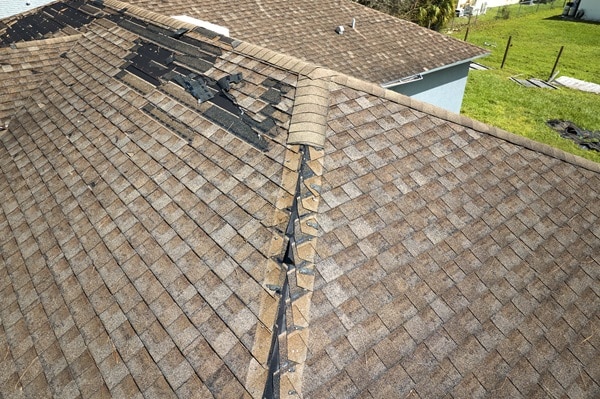
Broken or missing shingles are one of the most obvious signs that your roof needs attention. Shingles can break or go missing due to various factors, such as severe weather, aging, or physical impact. When shingles are damaged, the underlying materials of your roof are exposed to the elements, increasing the risk of leaks and further deterioration. If you notice any broken or missing shingles, it’s crucial to arrange for an inspection to prevent more severe issues.
A sagging roof deck is another red flag indicating potential structural problems. This can be caused by prolonged exposure to moisture, poor installation, or the natural aging process. A sagging roof not only compromises the aesthetic appeal of your home but also poses significant safety risks. It’s essential to have a professional assess the situation to determine the extent of the damage and the necessary repairs to restore your roof’s integrity.
Water Damage and Leaks
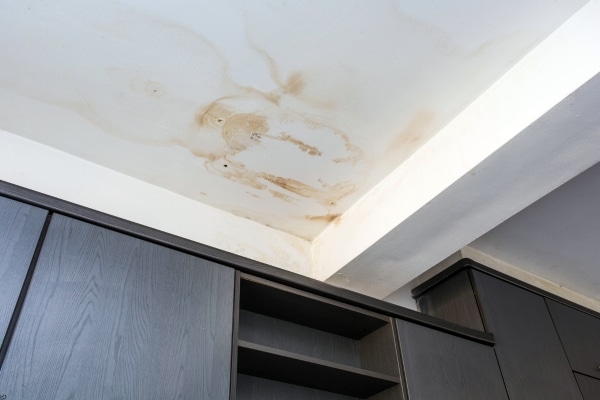
Water stains on your ceilings and walls are clear indicators of a roof problem. These stains often appear as discolored patches and can spread over time if not addressed. It’s important to differentiate between roof leaks and plumbing leaks to accurately pinpoint the source of the problem. Ignoring water stains can lead to extensive water damage, weakening your home’s structural integrity and increasing repair costs.
The growth of mold and mildew is another sign of moisture issues stemming from a compromised roof. Mold not only damages your home but also poses serious health risks to your family, such as respiratory problems and allergies. If you notice mold or mildew in your home, it’s vital to identify the source of moisture and address it promptly. Professional roof inspections can help locate and fix the leaks, preventing further mold growth and safeguarding your family’s health.
Higher Energy Bills

An unexplained increase in your heating and cooling costs could be linked to roof problems. A damaged roof can compromise the insulation and ventilation of your home, making it harder to maintain a consistent indoor temperature. This results in your HVAC system working overtime, leading to higher energy bills. Inspecting your roof can help identify issues with insulation and ventilation, allowing you to make necessary repairs and improve energy efficiency.
Drafts and uneven temperatures throughout your home are also indicative of roof issues. If you feel drafts or notice that some rooms are significantly colder or warmer than others, it could mean that your roof’s insulation is inadequate. This not only affects your comfort but also signals that your roof may not be providing the protection your home needs. Addressing these problems through a thorough roof inspection can help maintain a comfortable indoor environment and reduce energy costs.
Roof Age
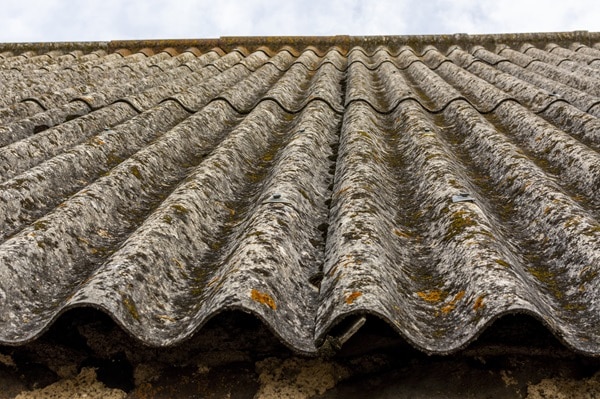
The age of your roof is a crucial factor in determining whether it needs an inspection or replacement. Different roofing materials have varying lifespans, with asphalt shingles typically lasting 20-25 years, metal roofs up to 50 years, and tile roofs even longer. If your roof is approaching or has surpassed its expected lifespan, it’s wise to schedule a professional inspection. Aging roofs are more prone to damage and may not provide adequate protection against the elements, making timely assessments essential for preventing costly repairs or replacements.
Regular maintenance history plays a significant role in your roof’s longevity. A well-maintained roof can outlast its expected lifespan, while neglect can shorten it significantly. Keeping detailed records of past inspections, repairs, and maintenance helps identify recurring issues and informs future decisions about roof care. If your roof lacks a consistent maintenance history, scheduling an inspection can provide a clear picture of its current condition and necessary actions to prolong its life.