Skip to content

The Best Microgreen Varieties For Your Indoor Garden

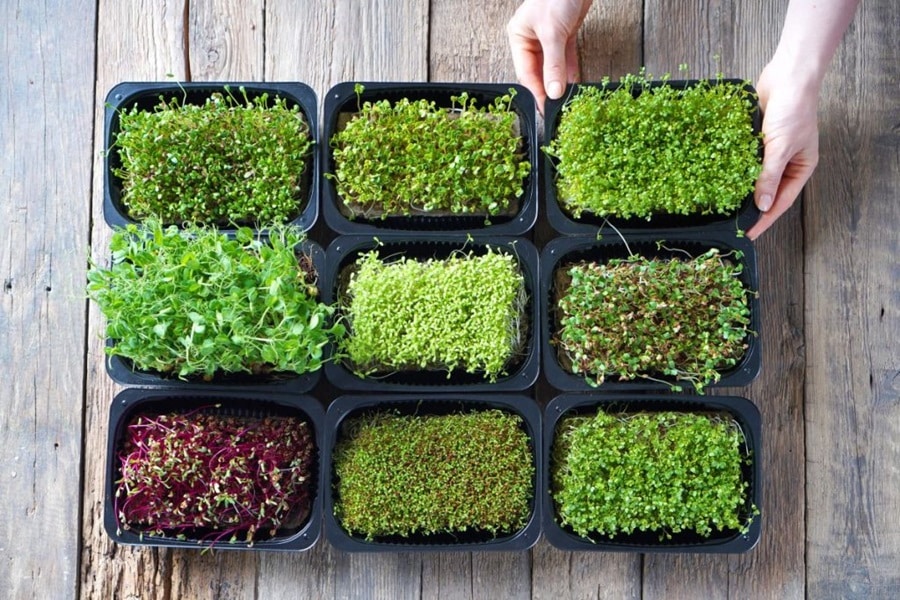
    Microgreens have surged in popularity as a staple in indoor gardening prized not only for their nutritional value but also for their ease of cultivation and minimal space requirements. These tiny greens, harvested just after the first leaves have developed, pack a flavorful and nutritious punch, making them an ideal choice for health-conscious individuals looking to add more greens to their diet. With a wide variety of species that can be grown as microgreens, enthusiasts have an extensive palette to choose from. This exploration into the best microgreen varieties for indoor gardens will guide beginners and seasoned gardeners alike in selecting the most suitable types for their space and taste preferences.

    Understanding Microgreens

    The Best Microgreen Varieties For Your Indoor Garden

    Microgreens are young vegetable greens that are approximately 1–3 inches tall. They represent a stage in the plant’s growth cycle that falls between sprouts and baby leaf vegetables, harvested just after the cotyledon leaves have developed and sometimes after the first true leaves appear. These greens are not only a visual and flavorful addition to a variety of dishes but are also celebrated for their concentrated nutrient content, often containing higher vitamin, mineral, and antioxidant levels than their mature counterparts. Understanding what microgreens are is crucial for appreciating their value in a diet and recognizing the ease with which they can be integrated into indoor gardening efforts.

    The cultivation of microgreens requires a few basic necessities: a light source, water, a growing medium (such as soil or a hydroponic setup), and an appropriate temperature range. These conditions make them ideal for indoor gardening, as they can be easily met within a home environment. Regardless of the limited space or lack of a garden, anyone can start growing microgreens. This section serves as a foundation, emphasizing the accessibility of growing these nutritious plants and the general benefits they offer, setting the stage for more detailed discussions on specific varieties.

    Best Microgreen Varieties for Beginners

    The Best Microgreen Varieties For Your Indoor Garden

    For those new to the world of indoor gardening, starting with microgreens that are easy to grow and maintain can be encouraging. Radish microgreens are a perfect starting point, as they germinate quickly and grow rapidly, offering a spicy flavor that can add a kick to salads and sandwiches. Their hardiness and straightforward care requirements make them an ideal choice for novices.

    Sunflower microgreens are another great option for beginners, with their larger seeds making them easier to handle and sow. These microgreens grow into thick, crunchy greens that have a nutty flavor, perfect for blending into smoothies or topping off your favorite dishes. Despite needing a bit more space compared to other microgreens, their robust growth and substantial yield justify the slightly increased effort. Pea shoots, known for their sweet taste and vigorous growth, can be harvested multiple times, providing a longer yield period from a single planting. These characteristics make radish, sunflower, and pea shoot microgreens excellent choices for those looking to dip their toes into indoor gardening with minimal fuss and maximum satisfaction.

    Nutrient-Rich Microgreen Varieties
    The Best Microgreen Varieties For Your Indoor Garden

    For gardeners interested in maximizing the nutritional benefits of their indoor garden, certain microgreen varieties stand out. Kale microgreens are a powerhouse of vitamins A, C, and K, and they bring a hearty, robust flavor to any dish. Their ease of growth and substantial nutrient profile make them a popular choice among health enthusiasts.

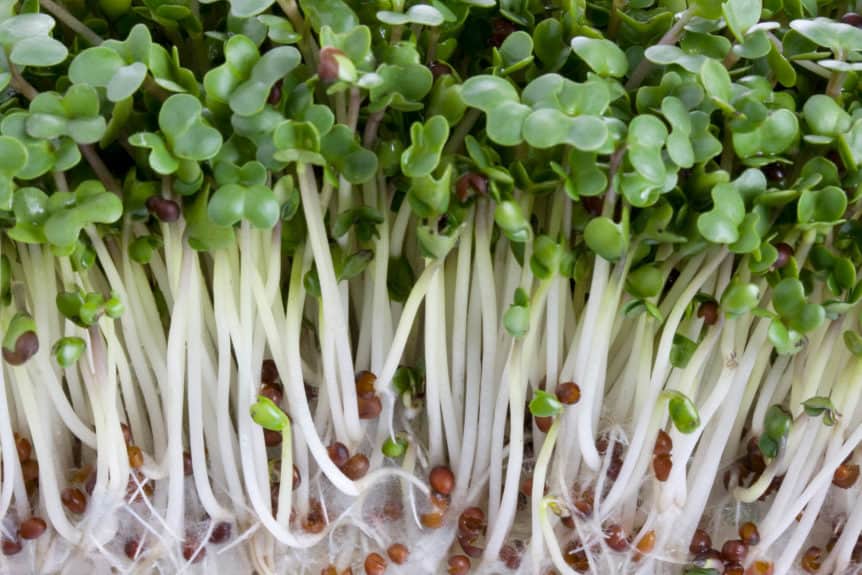
    Broccoli microgreens are renowned for their high levels of sulforaphane, an antioxidant known for its potential health benefits, including anti-cancer properties. These microgreens offer a mildly spicy flavor, making them a versatile addition to both raw and cooked dishes. Arugula microgreens, with their distinctive peppery flavor, are rich in calcium, potassium, and vitamin C, offering a spicy twist to salads, sandwiches, and even pizzas. The nutrient density of kale, broccoli, and arugula microgreens makes them particularly appealing for those looking to enhance their diet with greens that are as flavorful as they are beneficial.

    Fast-Growing Varieties for Quick Harvests

    The Best Microgreen Varieties For Your Indoor Garden

    Gardeners looking for quick results will appreciate the rapid growth cycle of certain microgreen varieties. Mustard greens are among the fastest, sprouting to harvest-ready size in just a week and bringing a spicy, flavorful punch to salads, sandwiches, and garnishes. Their speedy growth rate not only provides immediate gratification but also allows for more frequent harvests, making them a favorite for those eager to see quick progress in their gardening efforts.

    Cress is another variety that boasts a quick turnaround, with its peppery leaves ready to be snipped in under a week. The fast growth rate of cress makes it an ideal choice for gardeners looking to experiment with flavors without the long wait. Wheatgrass, while taking slightly longer to mature than mustard greens and cress, is ready for juicing in about 10 days, offering a sweet, potent juice high in nutrients. These fast-growing microgreens ensure that even the most impatient gardeners can enjoy fresh, homegrown greens in a short amount of time.

    Microgreens with Unique Flavors

    The Best Microgreen Varieties For Your Indoor Garden

    For those with a palate for the unusual or exotic, several microgreen varieties offer unique flavors that can elevate ordinary dishes to gourmet levels. Amaranth microgreens, with their striking red color, not only add visual appeal to dishes but also provide a slightly sweet, earthy flavor that pairs well with both savory and sweet dishes. Their unique taste and vibrant appearance make them a popular choice for chefs and home cooks looking to add a splash of color and a novel flavor profile to their creations.

    Basil microgreens bring an intense basil flavor that is more concentrated than that of mature basil leaves, making them perfect for adding a fresh, aromatic touch to Italian dishes, salads, and even cocktails. Cilantro microgreens, with a strong cilantro taste, offer a slower growth rate but reward the patient gardener with a burst of flavor that is ideal for Mexican and Asian cuisines. These unique-flavored microgreens allow gardeners to explore a wide range of culinary applications, from enhancing the aesthetics of a dish to introducing complex flavors that complement a variety of recipes.

    Growing Microgreens in Small Spaces

    The Best Microgreen Varieties For Your Indoor Garden

    Indoor gardening often requires making the most of limited space, but with the right strategies, even the smallest areas can yield a fruitful harvest of microgreens. Vertical gardening, utilizing multi-tiered growing trays, is an effective way to maximize space, allowing for the cultivation of multiple microgreen varieties in a compact area. This approach not only optimizes the use of vertical space but also creates an attractive living display in the home.

    Proper ventilation and lighting are critical in small space gardening to prevent mold growth and ensure healthy plant development. LED grow lights offer an energy-efficient solution, providing the necessary spectrum of light for microgreen growth without taking up much space or generating excessive heat. Choosing microgreen varieties that thrive in confined spaces, such as radish and kale, can further enhance the productivity of a small indoor garden. With these considerations in mind, even gardeners with limited space can enjoy a diverse and continuous supply of fresh microgreens year-round.

    Care and Harvesting Tips for Optimal Growth

    The Best Microgreen Varieties For Your Indoor Garden

    Ensuring the health and productivity of microgreens involves more than just planting seeds; it requires attentive care and proper harvesting techniques. Consistent moisture is key to successful microgreen growth, necessitating a watering routine that keeps the soil moist but not waterlogged to prevent root rot and mold. A fine mist sprayer can be an invaluable tool for this, allowing for gentle watering that doesn’t disturb the delicate seedlings. The importance of this balance cannot be overstated, as it supports the development of strong, healthy plants ready for harvesting at their peak.

    Light plays a crucial role in the growth of microgreens, influencing not only their speed of growth but also their flavor and nutritional content. Choosing the right light source, such as full-spectrum LED lights, ensures that microgreens receive the optimal light wavelength for photosynthesis without the risk of overheating or drying out. When it comes to harvesting, using a sharp knife or scissors to cut the microgreens just above the soil line can ensure a clean harvest, allowing for some varieties to potentially regrow for a second harvest. These care and harvesting tips are essential for anyone looking to maximize their microgreen yield and enjoy the freshest, most nutritious greens possible.

    Incorporating Microgreens into Your Diet

    The Best Microgreen Varieties For Your Indoor Garden

    Microgreens are not only a joy to grow but also a versatile addition to the diet, offering a range of flavors and textures to enhance meals. They can be used as fresh garnishes on soups, salads, and sandwiches or blended into smoothies for a nutrient-packed drink. The intense flavors of microgreens like arugula, radish, and basil make them perfect for elevating simple dishes to something special. Beyond their culinary uses, microgreens offer a concentrated source of vitamins, minerals, and antioxidants, contributing to a balanced and healthful diet.

    Integrating microgreens into daily meals is not only beneficial for health but also adds variety and color to the diet. Their ease of growth makes them a sustainable source of fresh produce, encouraging a connection to the food we eat and a greater appreciation for homegrown nutrition. For those looking to maintain freshness, storing cut microgreens in the refrigerator in an airtight container can keep them crisp for several days. This accessibility and ease of use make microgreens an excellent choice for anyone looking to boost their intake of greens in a convenient and flavorful way.

    The Joy of Microgreen Gardening

    Embarking on the journey of microgreen gardening not only enriches your diet with a plethora of nutritional benefits but also transforms your indoor space into a lush, edible landscape. From the fast-growing varieties that promise quick harvests to the unique flavors that elevate everyday meals, microgreens offer something for every palate and gardening skill level. This guide aims to inspire both novice and experienced gardeners to explore the diverse world of microgreens, encouraging the cultivation of these tiny but mighty plants. As you experiment with different varieties, you’ll discover the joy and satisfaction that comes from growing your own food, no matter the size of your garden.