

Electrolytic Reduction
Over time, metal objects will inevitably start to rust. While there are many ways to remove rust, electrolytic reduction is often the most effective method. This process involves passing an electric current through the metal, which causes the iron oxide to break down into iron and oxygen. The oxygen is then released as a gas, leaving behind a layer of pure iron. In addition to being highly effective, the electrolytic reduction is also relatively easy to do at home.
All you need is a battery, some scrap metal, and water and salt solution. Connect the battery’s positive terminal to the metal object and submerge it in the solution. You should connect the negative terminal to the scrap metal, which serves as a sacrificial anode. After a few minutes, you should see the rust start to dissolve away.
Abrasive Rubber Polishers
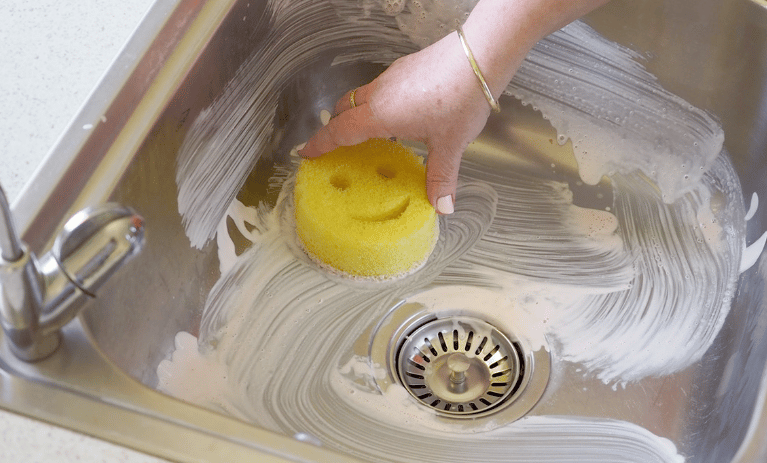
Rust can be difficult to remove, especially from surfaces you don’t want to damage. Traditional methods like sandpaper can be too abrasive, and chemicals can be dangerous and toxic. However, a new kind of rust remover on the market uses rubber polishers to safely and effectively remove rust. The polishers are soft, flexible materials that won’t damage the surface beneath the rust. They’re also non-toxic and safe to use around children and pets. Apply the polisher to the affected area and rub away the rust.
You may need to let the polisher sit for a few minutes before rubbing for tough spots. When you’re finished, rinse away any residue with water. With this new rust removal method, you can eliminate rust without worrying about damaging your surfaces.
Metals Resistant To Rust

Many metals are prone to rust, but a few are relatively resistant to this process. Stainless steel is one of the most well-known examples. This type of steel contains chromium, which forms a thin layer of oxide on the surface of the metal and protects it from further corrosion.
Aluminum is another metal that resists rusting, thanks to a thin oxide layer that forms when exposed to oxygen. This layer helps to prevent the metal from coming into direct contact with water or air, which could cause it to corrode. Copper and brass are also resistant to rusting, although they may develop a patina over time. Any metal can ultimately rust if exposed to the right conditions, but some are more resistant than others.
In addition, you can apply many coatings to metals to help protect them from rust. These include paint, powder coating, and galvanization. Galvanization is particularly effective as it involves coating the metal in a layer of zinc. This process creates a barrier between the metal and the environment, which helps to prevent corrosion.
Get A Handle On Rust Today
There are many ways to remove rust. Some popular methods are using a solution of phosphoric acid, hydrochloric acid, or electrolytic reduction. Abrasive rubber polishers are also becoming more popular as they safely and effectively remove rust without damaging the surfaces beneath. Stainless steel, aluminum, copper, and brass are all resistant to rusting, although any metal can ultimately rust if exposed to the right conditions. If you have a rust problem, get a handle on it today!