


Solar Heating Systems

Harnessing the sun’s power, solar heating systems are a testament to sustainable living. They come in two main types: passive and active. The passive solar design utilizes the architectural elements of a home, such as its windows and walls, to capture and store heat. On the other hand, active solar heating employs solar collectors and pumps to circulate heated air or liquid through the home.
The undeniable advantage of solar heating is its minimal environmental impact. Once installed, these systems draw power from a renewable source, drastically reducing greenhouse gas emissions. However, their efficiency is contingent on the geographical location of the home and the amount of sunlight received. Nevertheless, with advancing technology and decreasing costs, solar heating systems are fast becoming a favorite for eco-conscious homeowners.
Biomass Heating Systems

From the remnants of nature, we derive warmth. Biomass heating systems, which use organic materials like wood or pellets, have been used for ages and are making a resurgence in modern homes. The combustion of these organic materials produces heat, which is then used to warm up living spaces. Wood-burning stoves and pellet stoves are the most common implementations of this technology.
One of the selling points of biomass heating is the idea of using renewable energy. Wood, especially when sourced sustainably, is carbon-neutral, making it an environmentally sound choice. However, it’s imperative to ensure efficient combustion and proper ventilation when using biomass systems to minimize the release of pollutants and maximize heat output.
Hydronic Heating
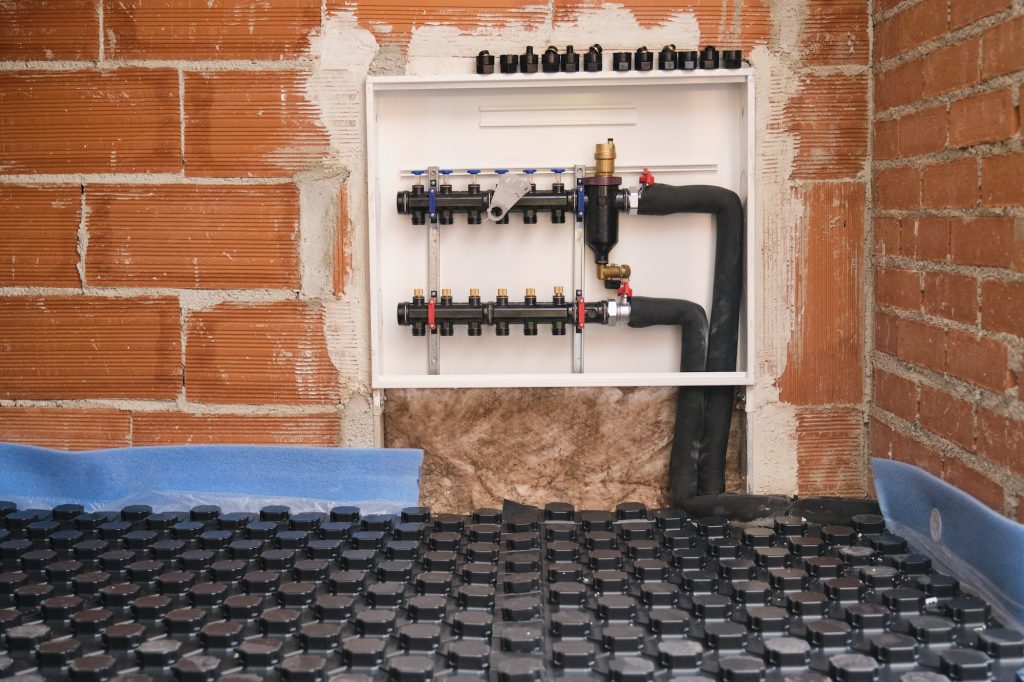
Water’s capacity to retain heat makes hydronic heating a highly efficient system. Operating by heating water and circulating it through sealed pipes to radiators throughout the home offers an even and consistent source of warmth. The source of heat for the water can vary, from gas boilers to solar panels, offering flexibility in terms of energy sources.
Hydronic systems’ edge over others is their minimal dust movement, making them ideal for those with allergies. Moreover, they are known for their silent operation, devoid of the hums and buzzes of fans. The flexibility in temperature control for individual rooms and the system’s overall efficiency make it a preferred choice for many homeowners.
Comparing Costs and Efficiencies

When deciding, two factors often take precedence: cost and efficiency. While initial installation costs can be a deterrent for some systems, long-term operational savings might offset them. Factors like regional climate, size of the home, and insulation play a crucial role in determining the most cost-effective and efficient system.
The energy efficiency rating of a system serves as an indicator of its performance. However, a holistic decision should encompass the ratings, maintenance costs, longevity, and ecological implications. For instance, while solar systems have higher upfront costs, their long-term economic and environmental benefits outweigh the initial investment.
The Bottom Line
Homeowners have many choices in the quest for warmth, each with unique advantages and nuances. The decision, while influenced by costs and efficiency, should also reflect one’s values and long-term vision. An energy-efficient home is not just a cost-saving mechanism; it’s a step towards a sustainable future, a testament to living in harmony with nature while enjoying the comforts of modern living.