
Dracaena Marginata (Dracaena reflexa)
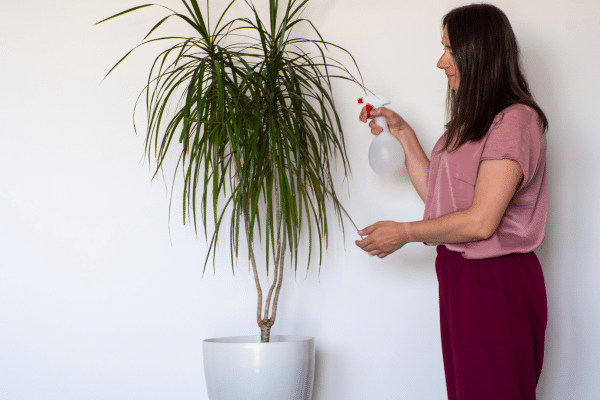
With its slender stems crowned by thin, arching leaves edged in red, Dracaena Marginata is a visually striking indoor plant. Sometimes referred to as the “dragon tree,” its exotic and unique appearance can instantly elevate the aesthetics of any room. The vibrant contrast between the deep green of its leaves and the reddish-purple edges makes it a favorite for adding a splash of color to indoor spaces.
Adaptability is one of Dracaena Marginata’s strengths. It can comfortably adjust to different indoor light conditions, although bright, indirect light is its preference. Watering should be consistent but moderate, with the top layer of soil allowed to dry out before the next watering session. A well-drained soil is vital, and it’s also a good idea to occasionally clean its leaves to keep them shining and free from dust.
Peace Lily (Spathiphyllum wallisii)
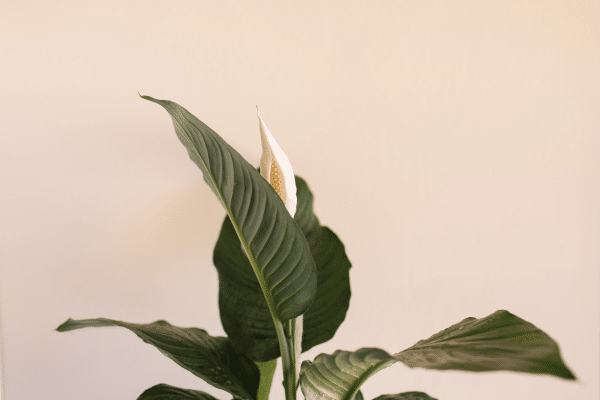
The Peace Lily, with its elegant white blooms and lush green leaves, often finds its way into homes and offices as a symbol of peace and purity. Beyond its undeniable beauty, this plant serves as a natural air purifier, known to filter out several toxins present in the air. Its gentle and serene appearance, combined with its air-cleaning abilities, makes it a popular choice for many indoor settings.
Despite its sophisticated look, the Peace Lily is relatively easy to care for. It prefers low to medium light, making it suitable for spaces that might not get abundant sunlight. Watering should be consistent, and it’s important to ensure that the pot provides good drainage. A unique feature of this plant is its tell-tale sign when it’s thirsty: the leaves will droop slightly, signaling it’s time for a drink.
Snake Plant (Sansevieria trifasciata)
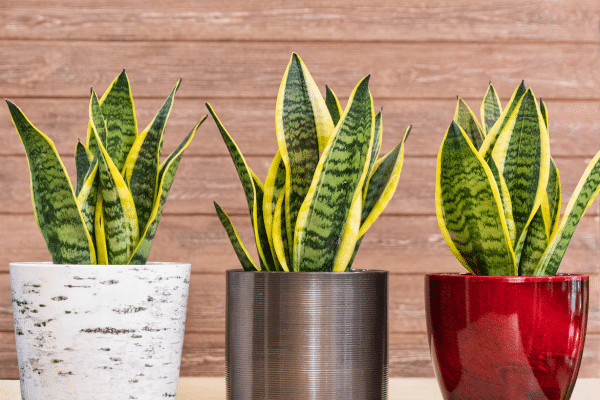
One of the most distinctive indoor plants, the Snake Plant boasts tall, upright leaves marked by intricate striped patterns. Native to West Africa, its leaves rise staunchly, creating an architectural display that adds a touch of modernity and elegance to any space. Another fascinating feature is its ability to release oxygen at night, unlike most plants which do so during the day, making it an excellent bedroom companion.
When it comes to care, the Snake Plant demands minimal attention. It can thrive in both well-lit and dimly lit areas, showcasing its adaptability. This hardy plant is also drought-resistant, which means that infrequent watering suits it best. Ensuring the soil dries out between watering sessions will keep this plant at its healthiest. Given its easy-going nature, it’s perfect for those who might not have a green thumb.
Rubber Plant (Ficus elastica)
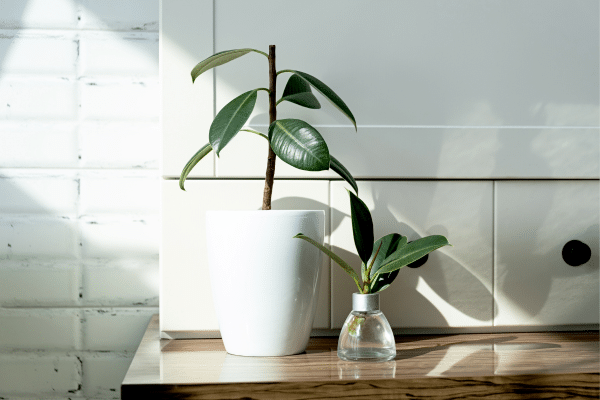
With broad, glossy leaves that can dominate a room, the Rubber Plant is nothing short of impressive. Native to Southeast Asia, its ability to grow tall makes it a statement piece in any setting, from homes to offices. The deep green hue of its leaves creates a sense of tranquility and natural opulence, making it a sought-after addition for interior enthusiasts and plant lovers alike.
Caring for the Rubber Plant requires a little attention to detail. It thrives in bright, indirect light, so positioning it near a window but out of direct sunlight would be ideal. When it comes to watering, consistency is key; keeping the soil slightly moist but not waterlogged will ensure the plant remains healthy. During its growth phase, it’s not uncommon for the Rubber Plant to require a bit more water, but always be cautious of overwatering.
The Bottom Line
Indoor plants, beyond their obvious aesthetic value, offer a myriad of benefits, from purifying the air to elevating one’s mood. Choosing plants based on their beauty is a delightful endeavor, but it’s essential to also consider their care needs to ensure they thrive. The plants discussed here, with their unique appearances and varying care requirements, cater to a wide range of tastes and environments. So whether one is an experienced gardener or a novice looking to spruce up a living space, there’s undoubtedly a plant on this list that will perfectly complement any setting.
