
Contents
Storage Mistakes That Shorten Clothing Lifespan

Poor storage habits contribute to premature fabric deterioration, leading to unnecessary stretching, wrinkles, and fiber stress. Overstuffed closets and drawers cause garments to be crushed, weakening fabric over time. Allowing space between hanging clothes and neatly folding stored garments helps maintain their shape and structure. Using breathable storage containers for seasonal items prevents the fabric from becoming musty or attracting pests. Keeping clothes in a cool, dry place shields them from heat and humidity damage, extending their longevity.
Improper hanger choices can also ruin clothing faster than expected. Wire hangers often cause delicate fabrics to stretch or warp, leading to an unflattering fit. Investing in sturdy wooden or velvet hangers ensures garments retain natural shape while preventing shoulder dents. Sweaters and heavier knitwear should always be folded rather than hung to prevent stretching. With mindful storage practices, clothing stays in top condition, reducing the need for frequent replacements.
Tackling Stains the Right Way (Before It’s Too Late)
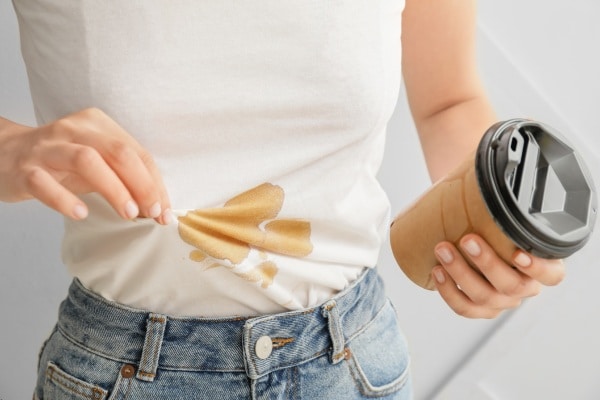
Stains can ruin clothing if not treated correctly, yet many common stain removal techniques cause more harm than good. Rubbing stains aggressively can grind them deeper into the fabric, causing fiber damage and permanent discoloration. Instead, blotting the stain gently with a clean cloth helps lift it without spreading the mess. Cold water and mild soap often work for fresh stains, while tougher stains may require specific treatments. Acting quickly increases the chances of complete stain removal without weakening fabric fibers.
Different fabrics require different stain-removal approaches, making it essential to check garment care labels. Natural fibers such as wool and silk are more sensitive to chemical treatments and should be handled extra care. Harsh cleaners like bleach can weaken the fabric and cause yellowing over time. Opting for gentle, fabric-safe stain removers ensures that clothes remain vibrant and structurally sound. Proper stain care helps prevent unnecessary replacements while keeping garments looking fresh.
Mending and Repair: A Lost Skill That Saves Your Wardrobe

A small tear or loose button does not mean a garment is ruined, yet many people throw away clothes that could easily be repaired. Basic sewing skills, such as fixing a seam or reattaching a button, can extend the life of a favorite piece of clothing. Keeping a simple sewing kit on hand allows quick fixes that prevent minor damage from worsening. Fabric glue or iron-on patches offer alternatives for those uncomfortable with sewing. Repairing clothes rather than replacing them saves money and reduces textile waste.
Even shoes and accessories can benefit from minor repairs to extend their usability. Resoling shoes, reinforcing bag straps, or fixing zippers can give worn items a second life. Tailoring clothes to maintain a proper fit prevents unnecessary stretching or damage from improper sizing. Learning to mend clothing helps build a sustainable wardrobe while ensuring each piece lasts as long as possible. Small repairs make a significant difference in prolonging clothing life.
Sustainable Habits That Keep Clothes Looking New
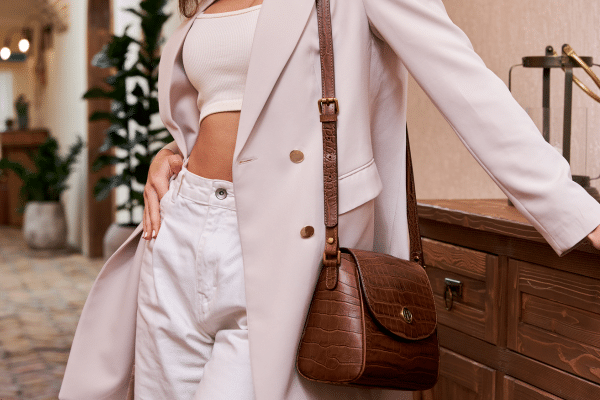
Rotating outfits and avoiding excessive ironing can help maintain a wardrobe’s longevity. Wearing the same items too frequently leads to wear faster, making it beneficial to distribute usage across multiple pieces. Using garment protectors, such as clothing sprays or fabric refreshers, reduces the need for frequent washing. Avoiding prolonged sun exposure keeps colors vibrant, as ultraviolet rays can cause fading and fiber breakdown. By practicing these small habits, clothing remains fresh and wearable for much longer.
Sustainable clothing care also contributes to environmental preservation by reducing textile waste. Buying secondhand or repurposing old garments into new styles keeps clothing out of landfills. Donating or swapping clothes instead of discarding them ensures they continue to be used rather than wasted. By embracing mindful care techniques, wardrobes stay stylish while contributing to a more sustainable lifestyle. Long-lasting clothes benefit both individuals and the planet.
Your Wardrobe’s Lifespan Is in Your Hands
Clothing longevity is not about luck but the habits formed around purchasing, washing, storing, and repairing garments. Thoughtful choices, such as investing in quality, washing strategically, and handling stains carefully, ensure that clothes maintain their condition for years. Developing these habits saves money while reducing textile waste and making fashion more sustainable. A well-cared-for wardrobe retains its shape, color, and comfort, eliminating the need for constant replacements. With just a few mindful adjustments, anyone can make their clothing last twice as long.