
Sleep is supposed to be a time for the body to recover and rejuvenate, but for many, the place where they rest their head at night could be a source of illness. From asthma allergies, the culprits behind these health issues often lurk in the most personal of spaces: our beds. This article delves into the various ways your bed could make you sick, uncovers the hidden dangers, and offers solutions to turn your sleeping environment into a true sanctuary of health.
Contents
- 1 The Unseen Enemy: Dust Mites
- 2 The Chemical Cocktail: Bedding Materials
- 3 The Moisture Trap: Humidity and Mold Growth
- 4 The Allergen Accumulator: Pet Dander and Pollen
- 5 Poor Sleep Posture: Bed Design and Body Pain
- 6 The Hidden Risk: Bed Bugs
- 7 The Dirty Truth: Infrequent Cleaning
- 8 Technological Intrusions: Electronics in Bed
- 9 Reclaim Your Sanctuary
The Unseen Enemy: Dust Mites

Dust mites are microscopic creatures thriving in warm, humid environments, making your bed an ideal habitat. These tiny arachnids feed on dead skin cells and flourish in mattresses, bedding, and upholstered furniture. While they are harmless in themselves, their feces and body fragments can trigger allergic reactions and exacerbate respiratory conditions like asthma. Exposure can lead to a range of symptoms for individuals sensitive to these allergens, including sneezing, coughing, and severe breathing difficulties.
The impact of dust mites is particularly severe in damp climates where humidity levels promote their proliferation. Regularly washing bed linens in hot water, using allergen-proof mattresses and pillow covers, and maintaining low indoor humidity can significantly reduce their numbers. Nevertheless, eliminating them is challenging, as they are a natural part of indoor environments.
The Chemical Cocktail: Bedding Materials

Many modern mattresses and pillows contain polyurethane foam and synthetic fibers that can emit volatile organic compounds (VOCs) and other chemical substances. This process, known as off-gassing, releases chemicals into the air that can cause headaches, dizziness, and respiratory issues. People with chemical sensitivities may find their symptoms exacerbated by these exposures, particularly in the enclosed environment of a bedroom where air circulation is limited.
Consumers increasingly turn to organic and natural bedding materials to address these concerns. Materials such as organic cotton, wool, and latex provide healthier alternatives that do not emit harmful chemicals. Moreover, certifications like Greenguard or CertiPUR-US can guide consumers in choosing products with lower chemical emissions, ensuring a safer sleep environment.
The Moisture Trap: Humidity and Mold Growth
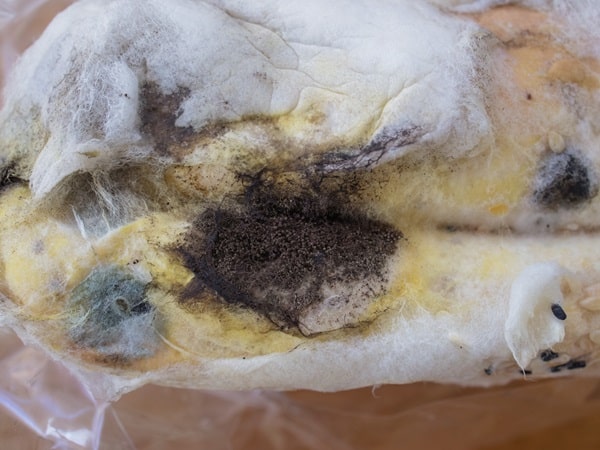
High humidity levels can lead to moisture accumulation in bedding, which fosters mold and mildew growth. These fungi are unsightly and pose serious health risks, particularly to those with mold allergies or compromised immune systems. Mold exposure can cause symptoms ranging from nasal stuffiness and throat irritation to more severe reactions like coughing or wheezing.
To combat mold growth, controlling the humidity levels in your bedroom is essential. Using dehumidifiers, ensuring adequate ventilation, and choosing moisture-wicking bedding materials can help maintain the dryness of your sleep environment. Regular inspections for signs of mold and immediate removal using proper cleaning solutions can prevent its spread.
The Allergen Accumulator: Pet Dander and Pollen

Allowing pets in the bed can introduce pet dander to your sleeping area, a common allergen that can trigger asthma attacks and allergic reactions. Similarly, pollen can adhere to clothing and skin, entering your home and settling into your bed. For individuals with allergies, these particles can disrupt sleep and lead to significant discomfort.
One effective strategy is to keep pets out of the bedroom and to change clothes before entering to minimize the introduction of outdoor allergens. Additionally, air purifiers with HEPA filters can capture airborne allergens and improve indoor air quality, creating a healthier environment conducive to good sleep.
Poor Sleep Posture: Bed Design and Body Pain

The design of your bed can profoundly impact sleep quality and physical health. An unsupportive mattress can lead to poor sleep posture, resulting in back and neck pain. Over time, chronic pain can develop from consistent poor alignment during sleep, highlighting the need for a bed that supports the body correctly.
Adjustable beds and mattresses tailored to individual needs can offer solutions. Features like adjustable firmness levels or ergonomic designs cater to different sleeping positions, promoting better posture and reducing stress on the spine. Investing in a high-quality mattress that aligns with personal sleep preferences is crucial for preventing pain and enhancing sleep quality.
The Hidden Risk: Bed Bugs

Bed bugs are small, elusive pests that can create significant discomfort and stress. These insects feed on human blood and are often found in mattresses, bedding, and furniture crevices. Their bites can cause skin rashes, allergic symptoms, and, in severe cases, psychological effects like anxiety and insomnia.
Regular inspection of bed areas, particularly in hotel rooms or second-hand furniture, is vital for early detection. Encasing mattresses and pillows in protective covers can also prevent bed bugs from taking residence. In infestation cases, professional extermination is recommended to thoroughly eliminate the pests and prevent recurrence.
The Dirty Truth: Infrequent Cleaning

Regular cleaning is essential for maintaining a healthy bed environment. Dust, sweat, skin cells, and oils accumulate in bedding over time, fostering the growth of bacteria and mites. Washing sheets and pillowcases weekly in hot water, vacuuming mattresses monthly, and cleaning decorative items frequently can help minimize these accumulations.
Deep cleaning techniques, such as steam cleaning for mattresses and professional laundering for comforters and pillows, can further reduce allergens and bacteria. Establishing a routine cleaning schedule ensures that your bed remains a clean, inviting space conducive to health and well-being.
Technological Intrusions: Electronics in Bed

Electronic devices in bed, such as smartphones and tablets, can interfere with sleep patterns and overall sleep quality. The blue light emitted by screens inhibits the production of melatonin, the hormone responsible for regulating sleep-wake cycles. Additionally, the mental stimulation from engaging with media and communications can delay sleep onset and reduce sleep quality.
To mitigate these effects, it is advisable to establish a no-electronics policy in the bedroom at least an hour before bedtime. Creating a tech-free zone promotes better sleep hygiene by allowing the mind to unwind and prepare for sleep, leading to more restful and uninterrupted sleep.
Reclaim Your Sanctuary
Understanding and addressing the potential health risks associated with your sleeping environment is crucial for physical and mental well-being. By taking proactive steps to eliminate allergens, reduce exposure to harmful chemicals, and enhance overall sleep hygiene, you can transform your bed from a source of discomfort into a sanctuary of health. A clean, well-maintained, thoughtfully arranged bedroom supports better sleep and contributes to a healthier life.