Contents
Kitchen Countertops

Countertops are exposed to a myriad of items each day, from grocery bags to cutting boards and small appliances, collecting germs from each. This exposure makes them one of the most critical areas to keep clean, as they can harbor bacteria that are transferred to food and utensils.
Using an effective disinfectant to clean countertops after each use is vital to maintain a sanitary kitchen environment. It’s also beneficial to organize countertops to minimize unnecessary items that can harbor bacteria.
Coffee Makers

Coffee makers are often overlooked in kitchen cleaning routines, yet they are prone to bacterial and mold growth due to the constant moisture in their reservoirs. Neglecting regular cleaning can lead to a buildup of yeast, mold, and coliform bacteria.
To prevent this, it’s essential to clean and dry all parts of the coffee maker regularly, including the water reservoir and coffee basket. Running a cycle with a vinegar and water solution monthly can help maintain the cleanliness and functionality of the machine.
Spice Containers and Oil Bottles
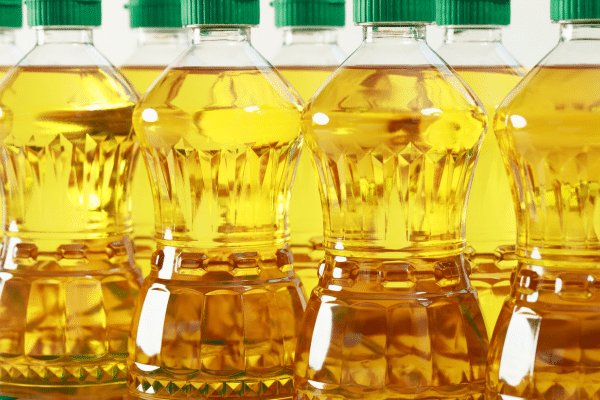
Spice containers and oil bottles are frequently handled during cooking, often with hands that have touched raw food, which makes them prone to bacterial contamination. This contamination can then be transferred back to food, perpetuating a cycle of bacteria spread.
To combat this, it’s important to regularly wipe down spice containers and oil bottles with a disinfectant and ensure that hands are clean before using them.
Reusable Grocery Bags

Reusable grocery bags are a greener alternative to plastic but can become contaminated with bacteria from food and surfaces they come into contact with at grocery stores. Especially bags used for carrying raw meat and produce pose a risk of cross-contaminating kitchen surfaces and other foods.
Washing reusable bags regularly, particularly after they have been used to transport raw produce or meats, is essential to prevent them from becoming a source of bacterial contamination in the kitchen.
Final Thoughts
Ensuring your kitchen is cleaner than a toilet seat might seem daunting, but regular cleaning of high-touch and high-risk areas can significantly reduce germ levels. By focusing on these hotspots for bacteria and maintaining good hygiene practices, you can keep your kitchen safe and healthy, protecting yourself and your loved ones from potential illnesses.