Living in harmony with neighbors is a courtesy and a necessity for a fulfilling, stress-free life. Being a good neighbor is a mutual relationship that demands respect, understanding, and open communication. More than geographical proximity, a sense of community, trust, and friendship can develop if each neighbor takes steps to improve. This article aims to provide actionable tips on being a better neighbor, covering everything from understanding different personalities to building a more inclusive and tight-knit community. Whether someone is new to a neighborhood or has lived there for years, these tips can help strengthen and enhance neighborly relations.
Contents
The Fundamentals of Being a Good Neighbor

Open and honest communication is the cornerstone of any good neighborly relationship. Being clear about intentions, problems, or even casual updates can go a long way in building trust. Neighbors don’t have to be best friends, but they should be able to discuss important matters like shared responsibilities, local events, or any issues that might affect the community.
Mutual respect is another aspect that cannot be emphasized enough. A neighbor should respect boundaries—property lines, noise levels, or personal space. When everyone respects each other’s boundaries, the neighborhood remains peaceful, and conflicts are minimized. This sets a harmonious tone for the entire community, making it a better place to live for everyone involved.
Understanding Different Personalities
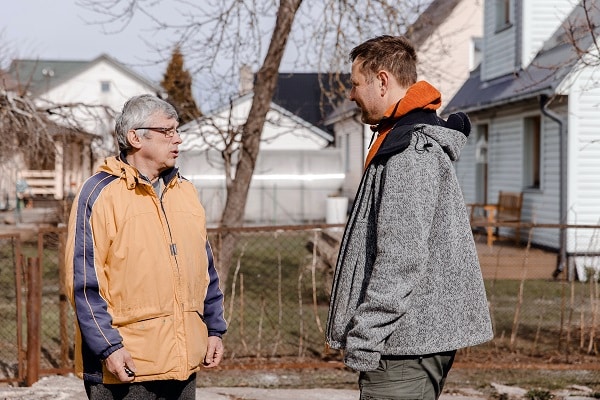
Not all neighbors are alike; some are introverts, while others are extroverts. Introverted neighbors might prefer fewer interactions and greater privacy. In such cases, a simple wave or a polite nod could suffice. Extroverted neighbors, on the other hand, may appreciate a more open dialogue and community involvement. Understanding these personality types can help in tailoring the approach for better co-existence.
Age can also be a factor in neighborly relations. Older neighbors might have different expectations and norms compared to younger folks. Being sensitive to these generational gaps can make the community easier and more harmonious. For example, older neighbors prefer face-to-face communication, while younger ones find digital communication via neighborhood apps more convenient.
When You’re New in the Neighborhood

Being the new neighbor on the block can be challenging. However, taking the initiative to introduce oneself can set a positive tone. This doesn’t mean throwing a lavish party; a simple greeting or small gift can make a good first impression. It’s about making the first move and showing openness to building relationships.
Understanding and respecting boundaries is crucial, especially for someone new to the neighborhood. Some communities have unspoken rules or traditions that new neighbors might not know. Observing how others interact, asking questions when unsure, and maintaining a respectful distance until familiar with the community norms can help avoid misunderstandings.
Establishing Trust
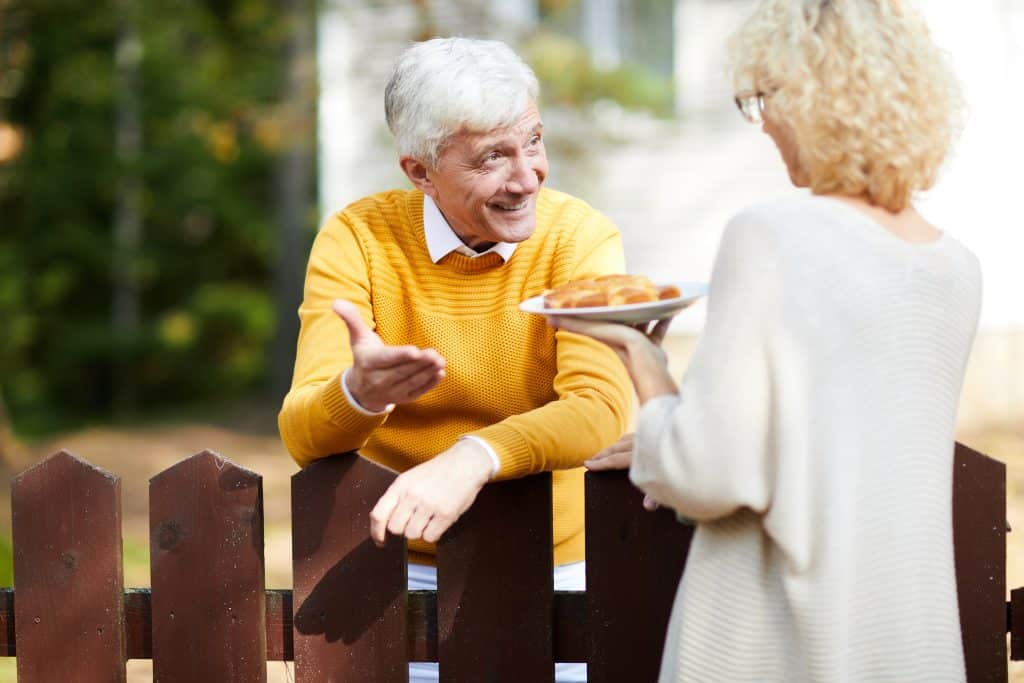
Trust is the glue that holds any good neighborly relationship together. Being reliable and consistent in one’s behavior can help in establishing trust. Whether it’s taking turns mowing the shared lawn or removing the garbage cans, these small actions speak volumes. They let neighbors know they can rely on each other for these small but significant tasks.
Shared responsibilities can further cement this trust. Perhaps it’s forming a neighborhood watch or collectively deciding how to maintain a communal garden. Shared goals create a sense of community, making neighbors feel part of something bigger than themselves. Participating actively in these shared responsibilities improves the neighborhood and strengthens mutual trust.