
Winter is just around the corner, and keeping the heat in your house becomes a priority for comfort and health. Despite cranking up the heating system, you might still find that warmth escapes, leaving you wrapped in blankets and facing higher energy bills. The culprit? Heat loss. Inefficient homes not only make winters unbearable but also contribute to increased energy consumption. This post will delve into various methods and tips to ensure your home stays warm while keeping energy costs at bay. Let’s explore the essentials of heat retention, from understanding the mechanics of heat loss to simple yet effective techniques you can implement today.
The Mechanics Of Heat Loss

Heat loss in a residential setting isn’t just an abstract concept; it’s a real issue that directly impacts your comfort and finances. Heat escapes through walls, floors, windows, and even ceilings, leaving your heating system working overtime to maintain a cozy atmosphere. Knowing where and how this loss occurs allows you to pinpoint problem areas and address them more effectively. This first step is critical; without diagnosing the issue, any attempts to solve it are shots in the dark.
Identifying the primary sources of heat loss will inform your next steps. You can have an energy audit done or even use thermal imaging cameras for a more detailed analysis. These techniques will help you identify hot spots—no pun intended—where heat escapes the most. Once you understand the mechanics of heat loss, you’re well-equipped to tackle it head-on, setting the stage for the various methods that will be discussed later in this article.
Importance Of Insulation
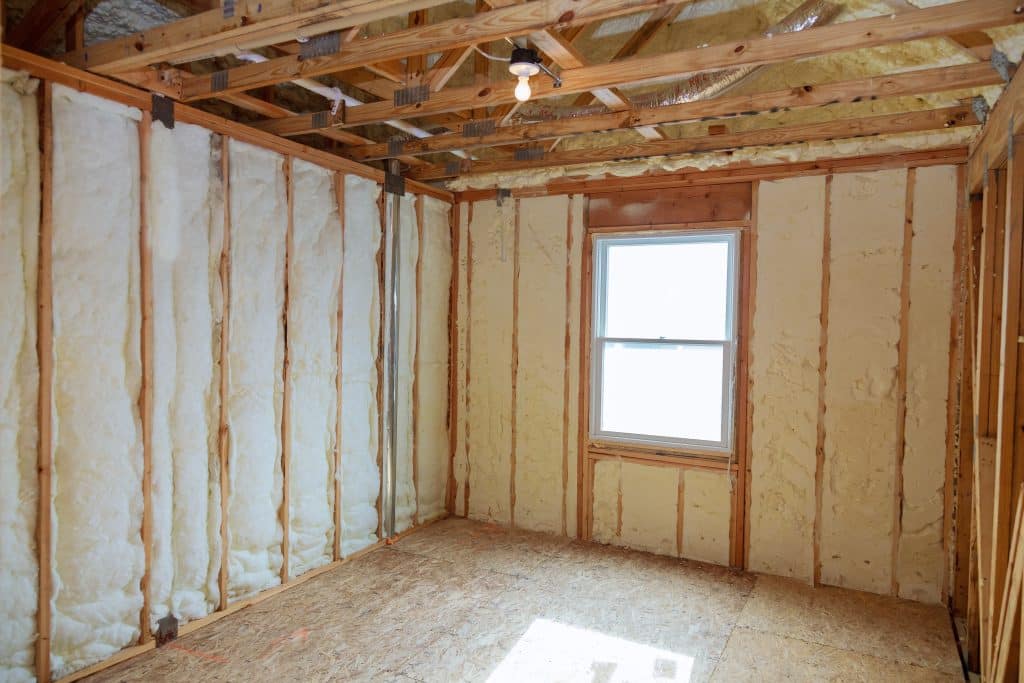
If you consider your home a system designed to maintain comfort, insulation serves as its shield against the elements. Effective insulation acts as a barrier, trapping heat inside during winter months. This is especially vital in colder climates where heating demands are high. Insulation materials can vary, from fiberglass and foam boards to natural fibers like wool. Each has its own set of pros and cons, and your choice will depend on factors like location, house structure, and budget.
While insulation is crucial, its effectiveness diminishes if not properly installed. The process is not as simple as filling walls with insulating material. Areas like the attic, basement, and even crawl spaces need attention. Furthermore, older homes may have outdated or insufficient insulation that needs replacement or augmentation. As you invest in insulation, consider this a long-term solution that pays dividends in comfort and energy savings. Once your home is well-insulated, other measures can serve as additional layers of protection.
Upgrade Windows And Doors
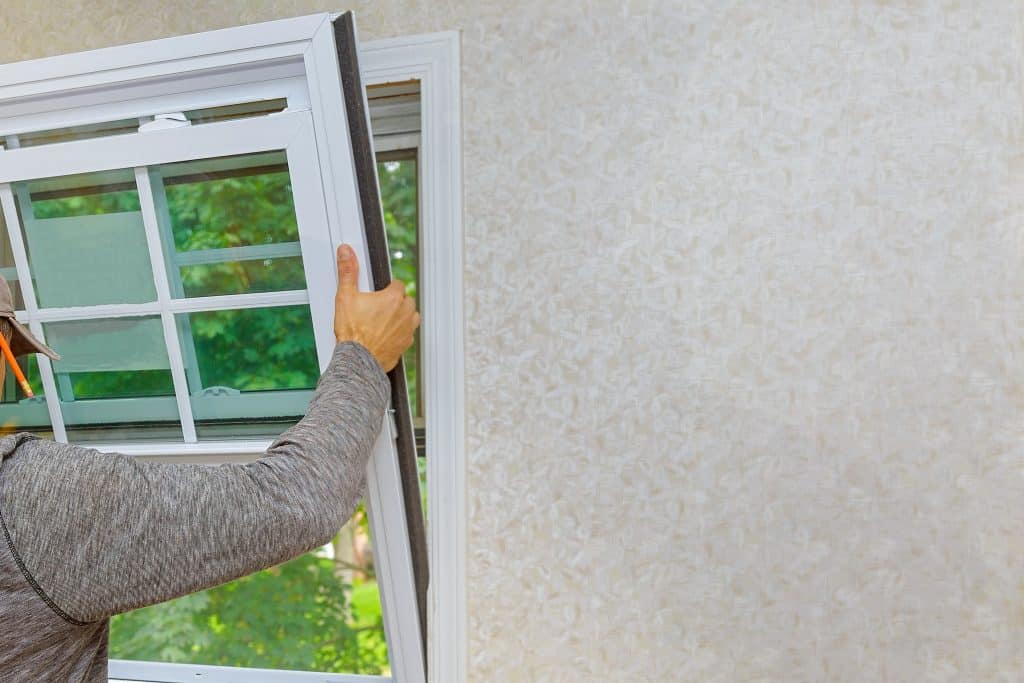
Windows and doors are more than just entry points for people; they’re also prime locations where heat can escape. Traditional single-pane windows are especially notorious for this. Upgrading to double or triple-paned windows, ideally with low-emissivity (Low-E) glass, can significantly improve your home’s heat retention capabilities. These windows have multiple layers of glass with insulating gas between them, serving as additional barriers to heat loss.
Door upgrades should not be overlooked either. A solid, well-insulated door can contribute significantly to retaining indoor heat. Weatherstripping and door sweeps are cost-effective solutions to seal any gaps that let the cold air in and the warm air out. If you’re feeling drafts near your windows or doors, that’s a clear sign they may be the weak links in your home’s defense against the cold. Upgrading these elements serves a dual purpose: it enhances your home’s security while making it more energy-efficient.