

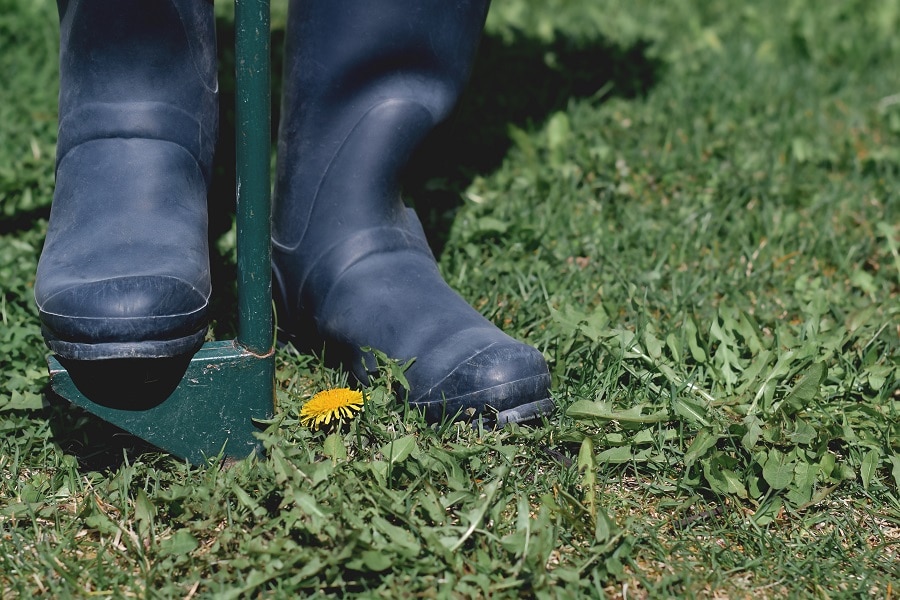
Maintaining a pristine lawn is more than just an aesthetic pursuit; it’s about cultivating a space where grass and beneficial plants thrive while ensuring undesirable weeds don’t take over. Unwanted weeds not only disrupt the beauty of a garden but also compete with grass for essential nutrients, water, and sunlight. Identifying and understanding these intrusive plants is crucial for homeowners aiming for a flourishing lawn. This article delves into some of the most common and challenging weeds to watch out for, starting with the ever-pervasive dandelion.
Dandelion (Taraxacum)

Dandelions, with their yellow blossoms and fluffy seed heads, are a familiar sight in many lawns. While they might seem harmless or even picturesque at first, their ability to reproduce rapidly through wind-dispersed seeds makes them a formidable adversary. Each dandelion plant can produce numerous seeds, which, when carried by the wind, can colonize large areas of a lawn in a short period.
The key to managing dandelions lies in understanding their growth cycle. They are perennial plants, returning year after year from their robust taproot. To effectively reduce their presence, it’s essential to remove the entire root, not just the visible part above the ground. Lawn owners can utilize both chemical and organic herbicides, but for a hands-on approach, specialized dandelion puller tools have proven to be quite effective.
Crabgrass (Digitaria spp.)
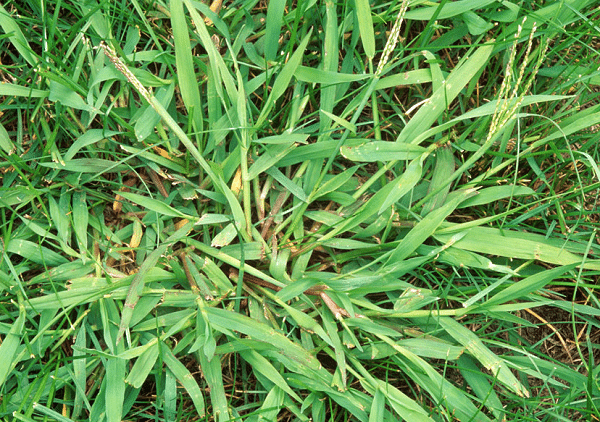
Crabgrass is an unwelcome guest in many gardens due to its aggressive growth nature. This warm-season annual weed germinates when soil temperatures reach about 55°F, typically in the late spring or early summer. Its sprawling growth habit allows it to quickly cover vast areas, crowding out desirable grasses and taking over bare spots in lawns.
Preventing crabgrass is often more effective than trying to eliminate it once it has established. Pre-emergent herbicides, applied in early spring, can be highly effective in stopping the germination of crabgrass seeds. For those lawns already invaded, post-emergent herbicides can be used, but it’s crucial to apply them while the crabgrass is young and actively growing. Additionally, maintaining a thick, healthy lawn can naturally prevent crabgrass from finding room to grow.
Canada Thistle (Cirsium arvense)
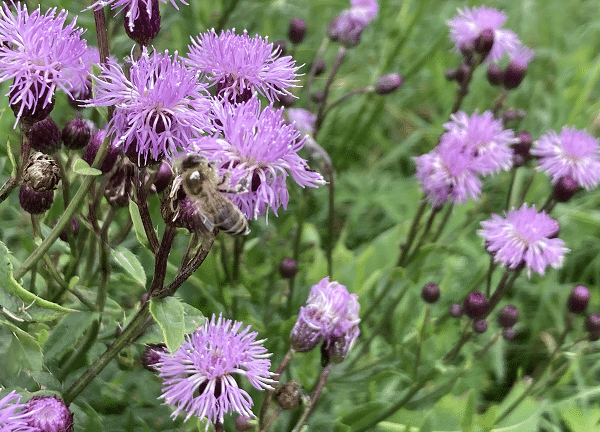
Canada Thistle, despite its name, is not native to Canada but to Europe and Asia. This perennial weed is known for its aggressive and invasive nature, making it a significant concern for many garden enthusiasts. It can quickly spread via its extensive root system, which can extend laterally up to 15 feet, and any fragment left behind can potentially sprout a new plant. The presence of spiny leaves and purple or white flowers makes Canada Thistle easily distinguishable.
Managing Canada Thistle requires a comprehensive strategy. Since it’s a perennial with a deep root system, simply cutting it down won’t solve the problem – it’s likely to regrow. Herbicides can be effective, especially when applied during the bud stage in early summer. However, for a non-chemical approach, repeated mowing or cutting before it flowers can reduce its spread and vigor. Additionally, promoting a dense, healthy lawn can inhibit the space available for thistles to emerge.
Don’t kill the Dandelions. Harvest them every spring preferably before they flower for a delicious meal with butter and vinegar.