
Green Beans

Green beans, often fondly referred to as string beans or snap beans, are another vegetable that can provide abundant yields in a relatively short time frame. Many bush bean varieties, for example, start producing pods in about 50 to 60 days. Once they begin, the production can be continuous, allowing gardeners to enjoy their crisp, fresh taste for an extended period.
To get the best out of green beans, it’s essential to choose a sunny location and offer them well-draining soil. While they aren’t overly picky about their soil type, they do appreciate regular watering, especially during flowering and pod formation. A light layer of mulch can be beneficial, keeping the soil moist and preventing weeds. With these conditions met, green beans can flourish and produce generously, making them a must-have for anyone aiming for swift garden yields.
Zucchini

Zucchini, a member of the squash family, often surprises gardeners with its rapid growth and abundant production. Under ideal conditions, zucchini plants can start yielding fruit in as little as 40 to 50 days. Known for its versatility in the kitchen, zucchini can be grilled, sautéed, baked, or even spiralized, making it a popular choice for gardeners and chefs alike.
Success with zucchini starts with planting in warm soil and ensuring it receives plenty of sunlight. Good spacing is crucial, as these plants can spread out extensively and need ample room to grow. Regular watering at the base of the plant, avoiding wetting the leaves, can minimize the risk of fungal diseases. Once the zucchini starts producing, frequent harvesting encourages further production. Harvesting while the fruits are still young and tender often results in the best flavor and texture.
Beets
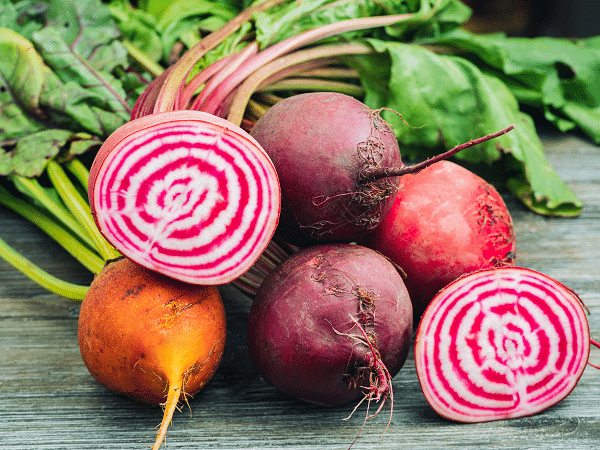
Beets, with their deep crimson color and earthy taste, bring both nutrition and beauty to the table. This dual-purpose vegetable boasts a two-for-one benefit: the roots are deliciously sweet, while the greens are equally appetizing and nutrient-rich. Most varieties of beets are ready for harvest within 50 to 70 days, allowing gardeners to enjoy their produce relatively quickly.
For those keen on cultivating beets, understanding the plant’s preferences can make all the difference. A well-draining soil, enriched with organic matter, sets the stage for successful beet growth. While they tolerate a variety of soil types, ensuring that the ground is free of large clumps or stones can promote more uniform root development. Regular watering, without letting the soil become waterlogged, is crucial for steady growth. When thinning beet seedlings, it’s a boon that even young beet greens can be consumed, ensuring that none of the plant goes to waste.
Spinach

Spinach, with its delicate leaves and impressive nutrient profile, is a favorite among health enthusiasts and gardeners alike. It’s a cool-season crop that, under the right conditions, can be ready for harvest in as little as 40 days. Its adaptability means it can be grown in both spring and fall, and in many areas, even throughout the winter under protective coverings.
Growth success for spinach hinges on a few key factors. Firstly, a fertile, well-draining soil can enhance its growth rate. Since spinach prefers cooler temperatures, planting it in a shaded or partially shaded area during warmer months can extend its harvest time. Mulching around the spinach plants helps retain soil moisture and prevent excessive weed growth. Regular harvesting of the outer leaves encourages the plant to produce more foliage, maximizing the yield from each spinach plant.
The Bottom Line
Selecting fast-growing vegetables can transform the gardening experience, offering bountiful harvests in minimal time. It allows gardeners to see the fruits of their labor sooner, making the process even more rewarding. By understanding each vegetable’s needs and ensuring they’re met, anyone can reap the benefits of these rapid growers. Whether one has a compact urban garden or sprawling countryside plots, integrating these swift producers can elevate the garden’s efficiency and output, leading to more delicious meals on the table in record time.
