Your garden may seem like a peaceful retreat, filled with vibrant flowers and lush greenery, but beneath the surface, there could be more than meets the eye. From invasive plants quietly taking over to hidden pests and toxic plants lurking in plain sight, your garden may be harboring dangers you never even noticed. Many of these hazards not only threaten the health of your plants but can also harm you, your pets, and the environment. In this post, we’ll uncover the surprising things that could be hiding in your garden and how to address them before they become a serious problem.
Contents
Invasive Plants That Take Over
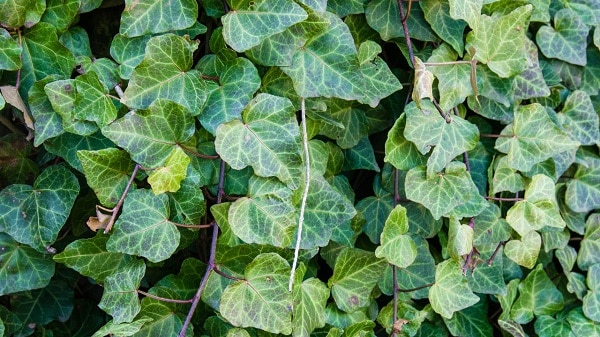
Invasive plants can sneak into your garden without you even realizing it, blending in with native plants until they’ve taken over. These plants, often introduced from other regions, spread rapidly and outcompete the local flora for sunlight, water, and nutrients. Common examples include Japanese Knotweed and English Ivy, both of which are notorious for their ability to spread uncontrollably. Left unchecked, these invasive species can completely overrun a garden, causing harm to the surrounding ecosystem and making it difficult to restore the balance of native plants.
What makes invasive plants even more dangerous is how easily they spread. Many invasive species can reproduce through tiny fragments, making it nearly impossible to remove them once they’ve established themselves. They can also be spread unintentionally by gardeners who unknowingly plant them or allow them to grow unchecked. As they spread, invasive plants not only crowd out native species but can also disrupt the habitats of insects, birds, and other wildlife that depend on those plants for survival. Spotting and removing these invaders early is crucial to preserving the health of your garden.
Dangerous Pests You Didn’t Know Were There

Your garden might be home to more than just plants and flowers—pests like ticks, aphids, and spider mites could be lurking beneath the foliage. These tiny creatures often go unnoticed until they’ve caused significant damage, either to your plants or to your health. Ticks, in particular, pose a serious risk as they can transmit diseases like Lyme disease to humans and pets. Aphids and spider mites, while not directly harmful to humans, can devastate plant life by sucking nutrients from leaves and spreading plant viruses.
Pests often find hiding places in dense vegetation, making them difficult to spot until infestations become severe. They can be carried into gardens by birds, wind, or even pets, rapidly multiplying and establishing colonies. The damage caused by these pests may not always be immediately visible but can weaken plants over time, leading to stunted growth or even death. Preventing infestations with regular inspections and eco-friendly pest control measures can help keep your garden healthy and free from these hidden invaders.
Toxic Plants Masquerading as Harmless

While your garden may be full of beautiful blooms, some of those plants could pose a serious threat to both humans and animals. Common garden plants like Oleander and Foxglove, while visually stunning, are highly toxic if ingested. Oleander, for example, contains cardiac glycosides, which can cause heart problems in both people and pets. Even brushing against certain plants can be dangerous, as some can cause skin irritation or allergic reactions through contact with their sap.
These toxic plants often blend in with non-toxic species, making it difficult for the average gardener to distinguish between them. They may be planted for their beauty or because they are easy to maintain, but the risks they pose far outweigh their aesthetic value. For gardeners with pets or small children, identifying and safely removing toxic plants is essential to creating a safe outdoor environment. Learning which plants to avoid and opting for safer alternatives can prevent accidental poisoning and ensure your garden remains a safe space for everyone.
Hidden Allergens Lurking in Plain Sight

For many, gardens are meant to be a place of relaxation, but they can also trigger allergies that turn outdoor enjoyment into a sneezing nightmare. Certain plants are notorious for producing pollen that aggravates allergies, with species like ragweed and certain types of grass being common culprits. These allergens can go unnoticed until symptoms like watery eyes, runny noses, and persistent sneezing begin to develop. In addition to pollen, molds that grow in damp areas of the garden or even on plants themselves can trigger allergic reactions.
Beyond pollen and mold, some plants produce sap or oils that can irritate the skin. Poison ivy is one of the most well-known examples, but even common garden plants like chrysanthemums and daffodils can cause contact dermatitis. Handling these plants without protection can lead to rashes, itching, and discomfort. Gardeners who are prone to allergies should be cautious when planting or maintaining their garden, choosing low-allergen species and wearing protective gear when dealing with potential irritants.
Poisonous Wildlife You Might Encounter
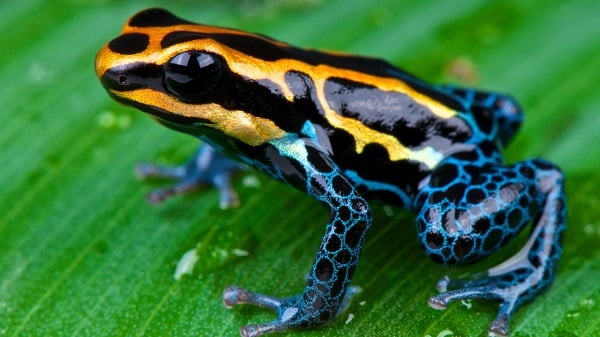
While most gardens are home to harmless creatures, there are some that can pose a real threat to humans and pets. Poisonous animals, such as certain types of snakes, spiders, and even frogs, can find shelter in dense vegetation or hidden corners of your garden. For example, venomous spiders like the black widow or brown recluse may build webs in sheds, under rocks, or in piles of wood. A bite from these spiders can cause serious health issues, ranging from intense pain to requiring medical intervention.
In some regions, poisonous snakes like copperheads or rattlesnakes may also take up residence in gardens, particularly in overgrown or unmaintained areas. Even seemingly harmless creatures, such as certain frogs or toads, can release toxins that can harm curious pets that try to catch them. Keeping your garden tidy, removing debris, and regularly checking for any signs of poisonous wildlife can help you prevent dangerous encounters. It’s important to stay vigilant and learn which species are native to your area to take appropriate precautions.
The Hidden Dangers of Garden Chemicals
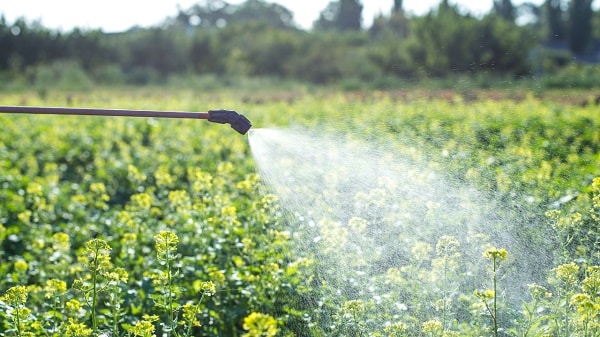
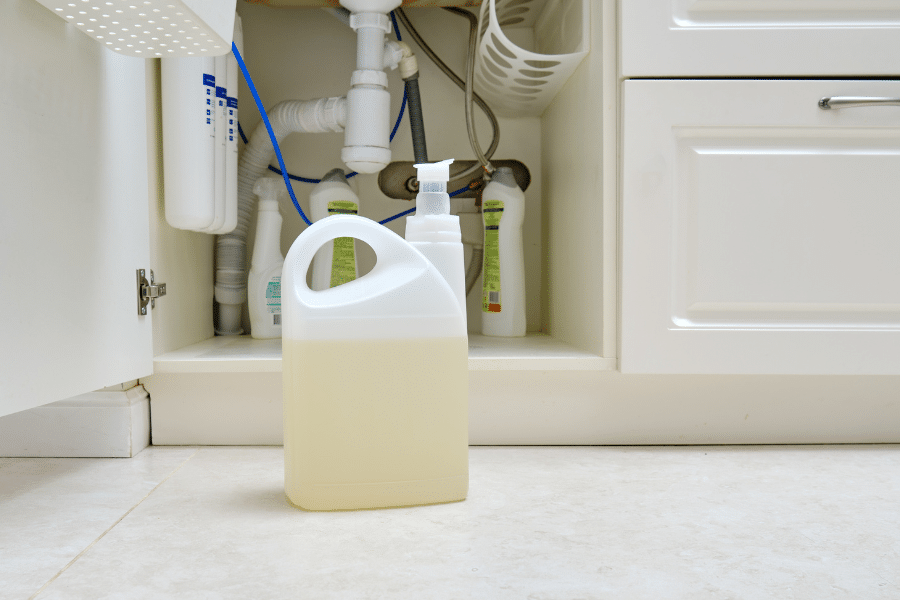
Chemical use in gardening, while often intended to protect plants, can pose serious hidden dangers to both the environment and your health. Pesticides, herbicides, and fertilizers are commonly used to control weeds and pests and promote plant growth, but they can have unintended consequences. Prolonged exposure to these chemicals can lead to health issues, particularly respiratory problems, skin irritations, or even more serious long-term effects like cancer. Additionally, many garden chemicals are harmful to beneficial insects like bees, butterflies, and even birds, leading to a decrease in biodiversity.
The impact of garden chemicals doesn’t stop with direct application—runoff from rain can carry these substances into local waterways, polluting streams and affecting aquatic life. Over time, these chemicals can also build up in the soil, creating a toxic environment that harms not only plants but the surrounding ecosystem. To reduce these risks, gardeners can adopt safer practices such as using organic fertilizers, implementing natural pest control methods, and minimizing chemical use wherever possible. This shift towards eco-friendly gardening not only protects your health but also contributes to a healthier planet.
Take a Closer Look at What’s Lurking in Your Garden
Your garden may be a source of beauty and relaxation, but hidden dangers could be lurking among the plants and soil. From invasive species and toxic plants to dangerous wildlife and harmful chemicals, it’s essential to remain vigilant and proactive in maintaining a safe environment. By identifying and addressing these threats, you can protect not only your plants but also your health and the well-being of your family and pets. Regular inspections and eco-friendly gardening practices will ensure that your garden remains a safe and enjoyable space for years to come.