
Hidden Allergens Lurking in Plain Sight

For many, gardens are meant to be a place of relaxation, but they can also trigger allergies that turn outdoor enjoyment into a sneezing nightmare. Certain plants are notorious for producing pollen that aggravates allergies, with species like ragweed and certain types of grass being common culprits. These allergens can go unnoticed until symptoms like watery eyes, runny noses, and persistent sneezing begin to develop. In addition to pollen, molds that grow in damp areas of the garden or even on plants themselves can trigger allergic reactions.
Beyond pollen and mold, some plants produce sap or oils that can irritate the skin. Poison ivy is one of the most well-known examples, but even common garden plants like chrysanthemums and daffodils can cause contact dermatitis. Handling these plants without protection can lead to rashes, itching, and discomfort. Gardeners who are prone to allergies should be cautious when planting or maintaining their garden, choosing low-allergen species and wearing protective gear when dealing with potential irritants.
Poisonous Wildlife You Might Encounter
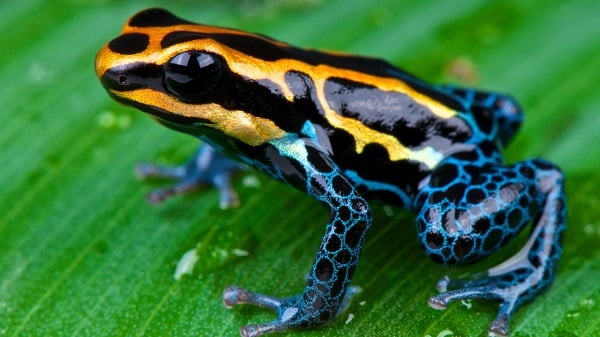
While most gardens are home to harmless creatures, there are some that can pose a real threat to humans and pets. Poisonous animals, such as certain types of snakes, spiders, and even frogs, can find shelter in dense vegetation or hidden corners of your garden. For example, venomous spiders like the black widow or brown recluse may build webs in sheds, under rocks, or in piles of wood. A bite from these spiders can cause serious health issues, ranging from intense pain to requiring medical intervention.
In some regions, poisonous snakes like copperheads or rattlesnakes may also take up residence in gardens, particularly in overgrown or unmaintained areas. Even seemingly harmless creatures, such as certain frogs or toads, can release toxins that can harm curious pets that try to catch them. Keeping your garden tidy, removing debris, and regularly checking for any signs of poisonous wildlife can help you prevent dangerous encounters. It’s important to stay vigilant and learn which species are native to your area to take appropriate precautions.
The Hidden Dangers of Garden Chemicals
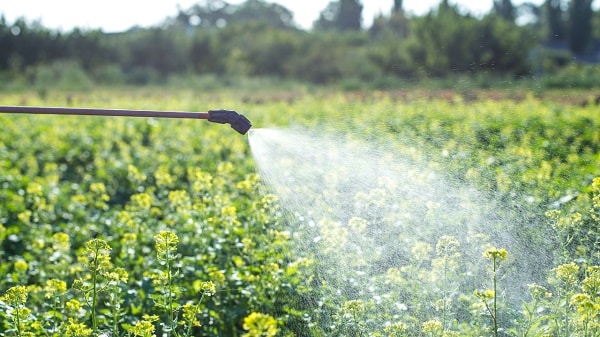
Chemical use in gardening, while often intended to protect plants, can pose serious hidden dangers to both the environment and your health. Pesticides, herbicides, and fertilizers are commonly used to control weeds and pests and promote plant growth, but they can have unintended consequences. Prolonged exposure to these chemicals can lead to health issues, particularly respiratory problems, skin irritations, or even more serious long-term effects like cancer. Additionally, many garden chemicals are harmful to beneficial insects like bees, butterflies, and even birds, leading to a decrease in biodiversity.
The impact of garden chemicals doesn’t stop with direct application—runoff from rain can carry these substances into local waterways, polluting streams and affecting aquatic life. Over time, these chemicals can also build up in the soil, creating a toxic environment that harms not only plants but the surrounding ecosystem. To reduce these risks, gardeners can adopt safer practices such as using organic fertilizers, implementing natural pest control methods, and minimizing chemical use wherever possible. This shift towards eco-friendly gardening not only protects your health but also contributes to a healthier planet.
Take a Closer Look at What’s Lurking in Your Garden
Your garden may be a source of beauty and relaxation, but hidden dangers could be lurking among the plants and soil. From invasive species and toxic plants to dangerous wildlife and harmful chemicals, it’s essential to remain vigilant and proactive in maintaining a safe environment. By identifying and addressing these threats, you can protect not only your plants but also your health and the well-being of your family and pets. Regular inspections and eco-friendly gardening practices will ensure that your garden remains a safe and enjoyable space for years to come.