Homeownership comes with its fair share of responsibilities, including maintaining the property. Minor issues can quickly turn into major repairs if not addressed promptly. The good news is that simple DIY skills can solve many common household problems. This article covers seven essential quick fixes that every homeowner should know to save time and money.
Contents
Unclogging Drains Without Chemicals

Drain clogs are a nuisance that can disrupt your daily routine. Instead of reaching for harsh chemicals that can damage your plumbing over time, try a more natural approach. Start by using a plunger. If that doesn’t work, pour a pot of boiling water down the drain, followed by a mixture of half a cup of baking soda and one cup of vinegar. The chemical reaction can break down fatty acids into soap and glycerine, allowing the clog to wash down the drain.
For more stubborn clogs, you might need to manually remove the blockage. Use a plumber’s snake to reach deep into the pipe and pull out accumulated debris. This tool can be very effective and is a staple in the DIY homeowner’s toolkit. With regular maintenance and these handy tricks, you can keep your drains flowing smoothly without resorting to expensive solutions.
Patching Up Holes in Drywall
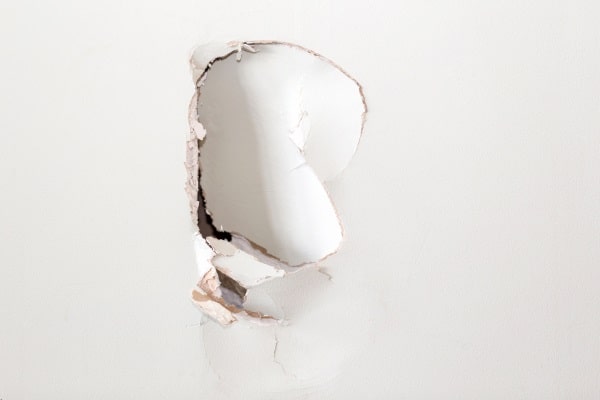
Small holes in drywall are common, especially in busy households. Fortunately, patching them up is a straightforward process. First, clean the hole to remove any loose debris. Apply spackling paste with a putty knife, smoothing it over the hole until it’s flush with the wall. Allow it to dry completely, then sand it down to ensure the surface is even.
For larger holes, you may need a patching kit, which includes a mesh that goes over the hole. Once the mesh is in place, apply the spackling compound as described above. With a bit of paint to match your wall, the repair will be virtually invisible, restoring the look of your room with minimal effort.
Fixing a Running Toilet

A running toilet can waste a significant amount of water, increasing your utility bills. This problem is often caused by a faulty flapper or a broken chain in the tank. To fix this, first turn off the water supply to the toilet and flush it to drain the tank. Check the flapper, which should form a tight seal. If it’s worn or warped, it needs to be replaced.
Adjusting the chain length can also stop the toilet from running. If the chain is too tight, it can prevent the flapper from sealing properly, and if it’s too loose, it won’t lift the flapper high enough to allow the tank to empty when flushing. Make sure the chain has just a little slack when the flapper is closed.
Tightening Loose Cabinet Hinges
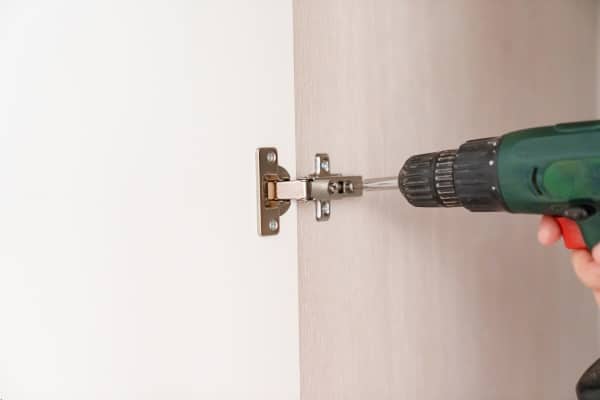
Loose cabinet doors are a common issue in kitchens and bathrooms where cabinets are frequently used. To tighten them, simply open the cabinet door, locate the hinges, and tighten the screws with a screwdriver. If the screw holes are stripped, a quick fix is to remove the screw, fill the hole with a small wooden dowel or toothpicks dipped in wood glue, and then reinsert the screw.
If the hinges themselves are worn out, they may need to be replaced. However, tightening the existing screws often solves the problem quickly and prolongs the life of your cabinets without needing a complete replacement.
Replacing Weatherstripping for Windows and Doors

Weatherstripping can wear out over time, causing drafts and increasing your heating and cooling costs. To replace it, first remove the old weatherstripping. Clean the surfaces thoroughly to ensure the new weatherstripping adheres properly. Measure the length you need, cut the new stripping, and press it into place. Make sure it creates a tight seal to effectively insulate your home.
This simple maintenance can improve energy efficiency significantly, keeping your home comfortable while reducing utility bills. It’s a quick fix that can have long-term benefits for both your wallet and the environment.
Stopping Drippy Faucets

A dripping faucet can be more than just annoying; it can also waste a lot of water over time. Fixing a leaky faucet usually involves replacing the washer or o-ring inside the handle. First, shut off the water supply to the faucet. Remove the handle by loosening the screw on top or at the side. Once the handle is off, replace the old washer with a new one that matches in size.
Reassembling the faucet and turning the water back on should resolve the drip. If it continues, the issue might be more complex, and parts of the faucet itself may need replacing. However, this simple washer swap fixes most drips.
Restoring Power from Tripped Circuit Breakers
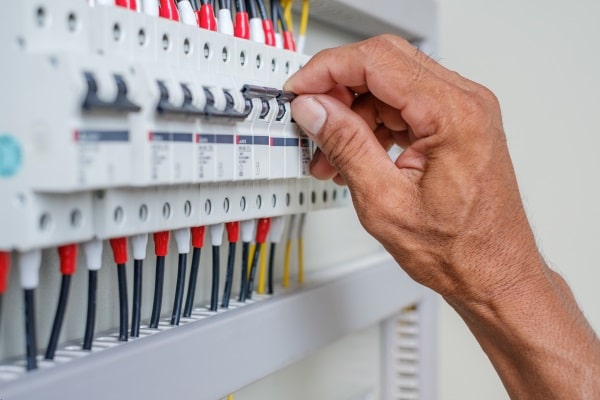
Circuit breakers are designed to protect your home from electrical overloads and short circuits by tripping off power to the affected area. When a breaker trips, it’s crucial to first understand what caused it, such as an overloaded circuit or a faulty appliance. To reset a tripped breaker, go to your electrical panel, usually located in a basement or utility room.
Identify the tripped breaker, which will be in the ‘off’ position or somewhere in between ‘on’ and ‘off’. Before flipping it back on, disconnect or turn off the appliances that caused the overload. Then reset the breaker by switching it fully to the ‘off’ position and then back to ‘on’. This should restore power. If the breaker trips again, it may indicate a more serious issue, and it’s advisable to consult a professional electrician.
Empowering Homeowners Through Simple Repairs
Knowing how to perform these seven quick fixes empowers homeowners to take control of their home maintenance, ensuring that small problems don’t turn into big expenses. Regular upkeep not only preserves the condition of your home but also instills a sense of pride and accomplishment. With these skills, you can keep your home running smoothly and efficiently, ready to tackle any challenge that comes your way.