
Synthetic air fresheners, ubiquitous in homes and workplaces, offer a quick solution to mask unpleasant odors. Yet, their convenience belies potential health risks that are often overlooked. This blog post delves into the hidden dangers of these popular products, shedding light on the lesser-known consequences of their use. From triggering headaches to potentially impacting long-term health, the following sections explore why these seemingly harmless fragrances may be more hazardous than many realize.
Contents
May Cause Headaches

Many synthetic air fresheners contain volatile organic compounds (VOCs) and other chemicals that are known to trigger headaches. These substances, when inhaled, can cause immediate discomfort for some individuals, manifesting as headaches or migraines. The issue is further compounded in enclosed spaces where air freshener particles concentrate, increasing the likelihood of headache-inducing exposure.
Research links frequent use of air fresheners with an increased incidence of headaches. Studies have found that individuals who are regularly exposed to these fragrances report higher rates of headaches compared to those in less fragranced environments. This correlation points to a concerning aspect of air freshener use, particularly in settings like offices or homes where they are used consistently.
Can Reduce Immune Function

Exposure to certain chemicals found in synthetic air fresheners can have a detrimental effect on immune function. This is particularly troubling for vulnerable groups such as children, the elderly, and those with pre-existing health conditions. Regular inhalation of these chemicals can weaken the body’s natural defense mechanisms, making it more susceptible to infections and diseases.
Long-term exposure to air freshener chemicals poses significant risks to immune health. Over time, the cumulative effect of these toxins can lead to a noticeable decrease in immune responsiveness. The concern is not just limited to immediate reactions; the ongoing weakening of the immune system can have far-reaching implications for overall health and well-being, potentially leading to more serious health issues in the future.
May Irritate Skin

Direct skin contact with particles from synthetic air fresheners can lead to irritation, particularly for those with sensitive skin. These products often contain allergens and irritants that can cause redness, itching, and other forms of dermatitis. The risk is heightened in environments where air fresheners are sprayed liberally, allowing more particles to settle on surfaces that come into contact with skin.
Individuals with pre-existing skin conditions like eczema or psoriasis are at a higher risk of experiencing adverse reactions. The chemicals in these fragrances can exacerbate their symptoms, leading to discomfort and potentially more severe skin reactions. This highlights the need for caution among those with known skin sensitivities when using synthetic air fresheners.
Potential Carcinogenic Effects
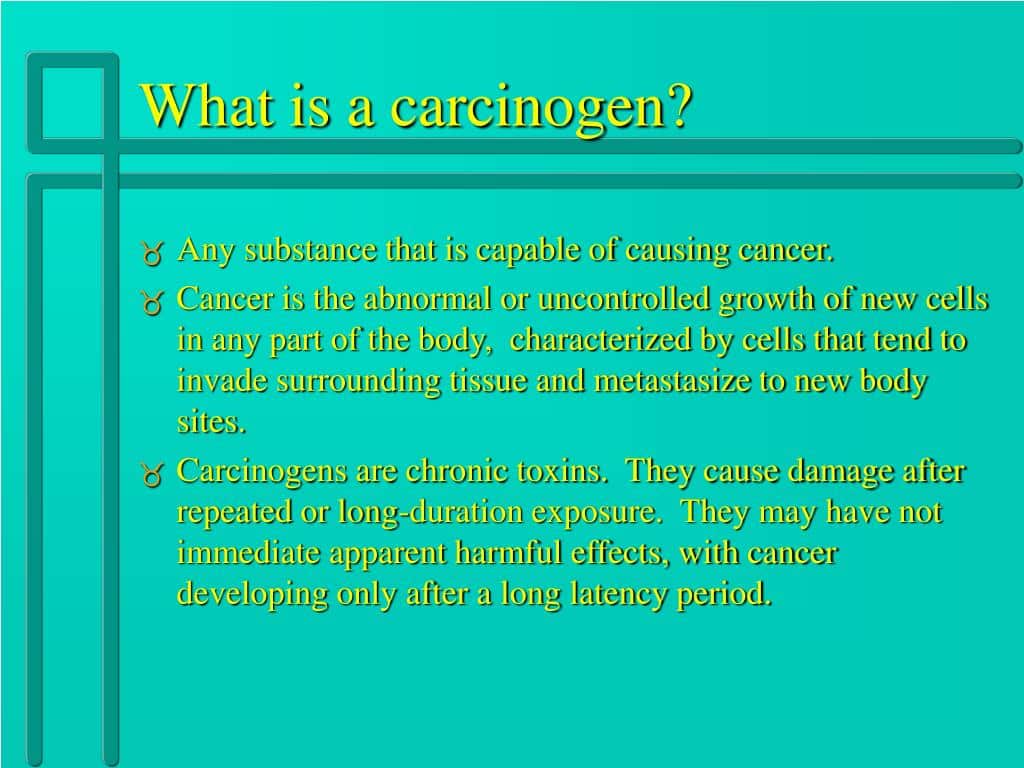
Several chemicals commonly found in synthetic air fresheners have been identified as potential carcinogens. Substances like formaldehyde and benzene, present in some fragrances, are of particular concern due to their links to cancer. While the concentration of these chemicals is typically low, regular and prolonged exposure increases the risk of developing cancer-related health issues.
Epidemiological studies suggest a correlation between the frequent use of air fresheners and an elevated risk of certain types of cancer. This is a worrying consideration, especially as these products are often used without much thought to the possible long-term health consequences. The potential carcinogenic effects of air fresheners warrant serious consideration and further scientific investigation.
Can Affect Hormonal Balance
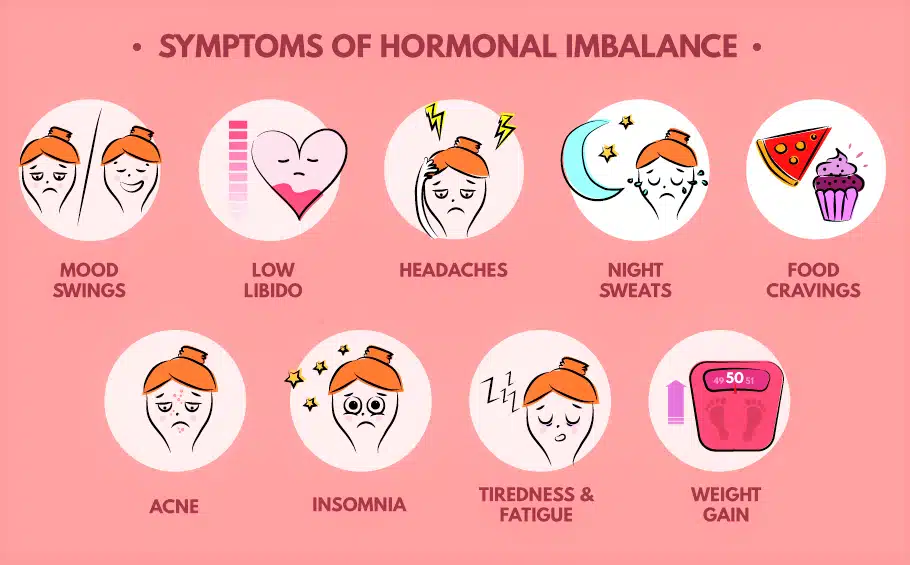
The presence of endocrine-disrupting chemicals in air fresheners can lead to hormonal imbalances in the body. These disruptors interfere with the normal functioning of hormones, which are critical to maintaining various bodily processes. The consequences of such disturbances can range from minor to severe, affecting different aspects of health and well-being.
Hormonal imbalances caused by exposure to these chemicals can result in a variety of health issues. These may include reproductive problems, developmental issues in children, and metabolic disorders. The potential for long-term health effects, particularly when exposure occurs over an extended period, is a significant concern associated with the use of synthetic air fresheners.
May Aggravate Allergies

Synthetic air fresheners can act as triggers for allergic reactions in sensitive individuals. The chemicals and fragrances in these products can irritate the respiratory tract, leading to symptoms such as sneezing, runny nose, and congestion. For people with allergies, exposure to these substances can significantly exacerbate their symptoms, making the environment uncomfortable, if not harmful.
The impact of air fresheners on respiratory health is particularly pronounced in individuals with asthma or other respiratory conditions. The irritants in these products can provoke asthma attacks and worsen respiratory symptoms. This is a critical consideration for households and workplaces striving to maintain an allergen-free and health-friendly environment.
Can Irritate Eyes

Airborne chemicals from synthetic air fresheners can cause eye irritation, a common complaint among frequent users of these products. Symptoms like itching, redness, and watering of the eyes are often reported, resulting from the volatile compounds evaporating into the air and coming into contact with the eyes.
Prolonged exposure to air freshener chemicals can lead to more serious eye health issues. The delicate tissues of the eye are susceptible to irritants, and consistent exposure can cause long-term damage. This is particularly concerning for individuals who already have pre-existing eye conditions or sensitivities.
The Bottom Line
The prevalent use of synthetic air fresheners brings with it a host of potential health risks, many of which remain under-acknowledged. From headaches and skin irritation to more severe concerns like hormonal imbalances and carcinogenic effects, the implications are wide-ranging. The findings presented in this post highlight the importance of being mindful of the products used to fragrance spaces, especially given the availability of safer alternatives. Opting for natural fragrances or improving indoor ventilation can be effective ways to maintain a pleasant indoor environment without compromising health.


