Skip to content

Detecting And Dealing With Lead In Your Drinking Water

    The presence of lead in drinking water poses a silent yet significant health risk, often overlooked in daily life. This critical issue merits urgent attention and action, given the severe health consequences associated with lead exposure. This article aims to demystify the complexities surrounding lead contamination in drinking water. It provides a comprehensive guide on identifying potential lead hazards, testing and removing lead from water, and understanding the legal standards and community actions necessary for ensuring safe drinking water.

    Understanding Lead Contamination
    Detecting And Dealing With Lead In Your Drinking Water

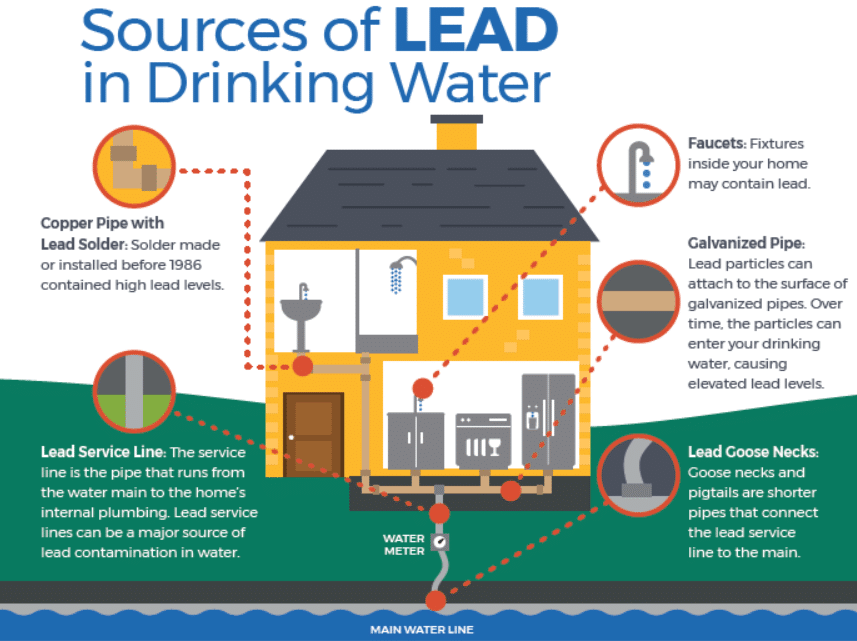
    Lead, a toxic metal, can be a silent intruder in drinking water, posing significant health risks. It often originates from lead-containing plumbing materials and fixtures, especially in older infrastructures. As water passes through these materials, lead can leach into the supply, going undetected due to its lack of color, taste, or odor. This section focuses on identifying potential sources of lead in home and community water systems and underscores the health implications of lead exposure, particularly in children and pregnant women, ranging from developmental delays to other serious health conditions.

    Identifying High-Risk Areas

    Detecting And Dealing With Lead In Your Drinking Water

    Certain factors increase the likelihood of lead contamination in drinking water. Older neighborhoods with dated plumbing systems are often at higher risk. This section will explore how the age and condition of water infrastructure significantly impact the probability of lead contamination. It will also examine geographic factors that contribute to higher risks and discuss the role of local government and community actions in identifying and mitigating these risks. Awareness of these factors is essential for residents to assess their vulnerability to lead exposure.

    Signs of Lead in Your Water
    Detecting And Dealing With Lead In Your Drinking Water

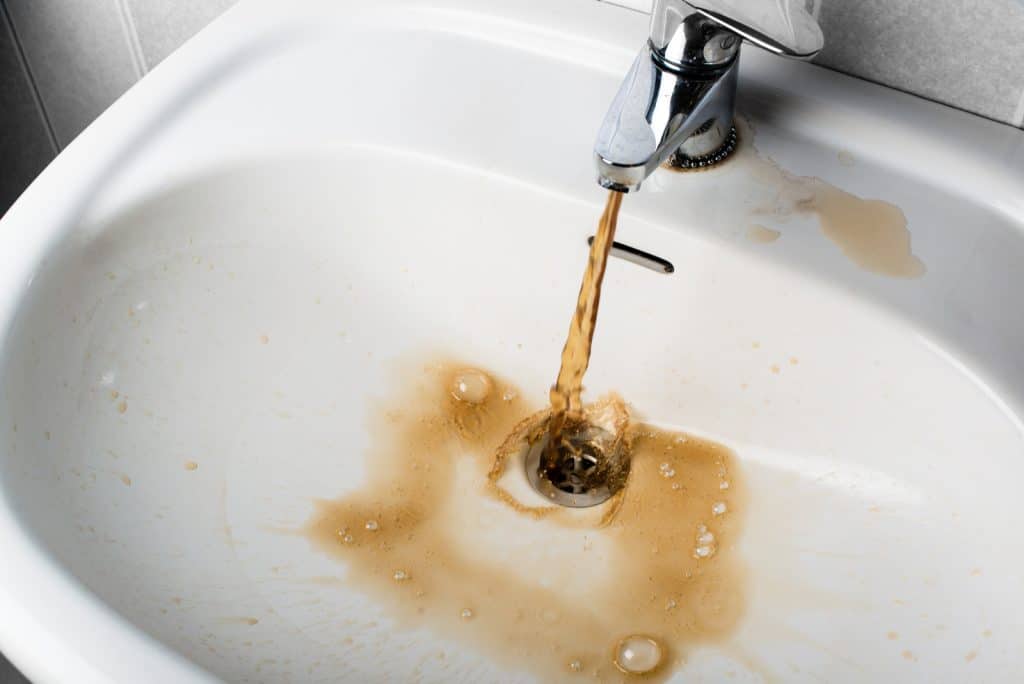
    Detecting lead in drinking water is challenging due to its invisibility to the naked eye. However, some physical indicators can hint at its presence, such as changes in water taste, color, or the appearance of sediment. Besides physical signs, certain health symptoms, like abdominal pain or developmental delays in children, might also suggest lead exposure. This section emphasizes the importance of not dismissing these signs and encourages immediate action, such as testing for lead, to confirm suspicions and safeguard health.

    Testing for Lead in Drinking Water

    Detecting And Dealing With Lead In Your Drinking Water

    Testing is the most reliable method to detect lead in your drinking water. This section will outline various testing methods, including DIY test kits available at hardware stores and professional testing services. The importance of choosing a suitable testing method based on factors like water source and budget will be emphasized. Additionally, the section will guide readers on interpreting test results, understanding the levels of lead present, and determining the next steps based on these findings. Understanding these results is crucial for making informed decisions about water safety and treatment.

    Furthermore, the reliability and frequency of testing will be discussed. Regular testing is recommended, especially in areas with known lead contamination issues or in older homes. The section will also touch on the role of local authorities in providing testing resources and support. The ultimate goal is to equip readers with the knowledge to conduct thorough and effective testing, ensuring their drinking water remains safe and lead-free.

    Removing Lead from Your Drinking Water
    Detecting And Dealing With Lead In Your Drinking Water

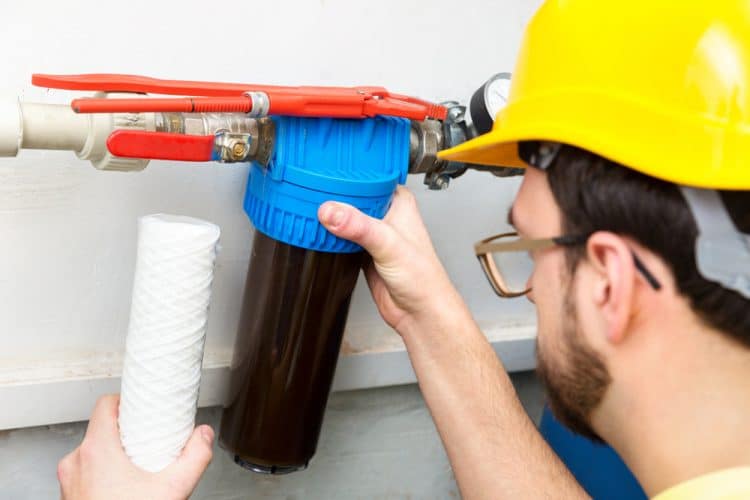
    Once lead is detected, it’s imperative to remove it from the drinking water. This section will discuss various filtration systems, such as reverse osmosis, activated carbon filters, and distillation units, and their effectiveness in removing lead. The pros and cons of each system will be examined to help readers choose the most suitable option for their specific needs. Additionally, the section will explore professional water treatment solutions, comparing them with do-it-yourself approaches in terms of effectiveness, cost, and maintenance.

    The importance of regular maintenance and updating of filtration systems will also be highlighted. Over time, filters can become less effective and may even contribute to contamination if not properly maintained. The section will provide practical advice on system maintenance, replacement schedules, and signs that indicate a need for an update. The aim is to ensure readers are well-informed about keeping their water filtration systems in optimal condition for effective lead removal.

    Preventive Measures to Avoid Lead Contamination

    Detecting And Dealing With Lead In Your Drinking Water

    Prevention is key in managing lead in drinking water. This section will focus on proactive steps homeowners can take to minimize the risk of lead contamination. Regular plumbing check-ups, especially in older homes, are essential. Recommendations will be provided on identifying and replacing lead-containing pipes and fixtures. Safe water usage practices, such as running cold water to flush out lead and avoiding the use of hot tap water for cooking and drinking, will also be discussed.

    The role of community action in preventing lead contamination will be highlighted. This includes advocating for regular water quality testing in schools and public buildings and working with local officials to address systemic issues in water infrastructure. The section will emphasize the power of informed and engaged communities in ensuring safe drinking water for all. By taking these preventive measures, individuals can significantly reduce their risk of lead exposure and contribute to broader community safety.

    Legal and Safety Standards for Lead in Water

    Detecting And Dealing With Lead In Your Drinking Water

    Understanding the legal and safety standards for lead in drinking water is crucial for ensuring compliance and protection. This section will provide an overview of government regulations, such as the Environmental Protection Agency’s (EPA) Lead and Copper Rule, that set maximum contaminant levels for lead in public water systems. It will explain how these standards are established and the scientific basis behind them. The role of local and federal authorities in enforcing these standards will also be discussed, underscoring their importance in safeguarding public health.

    In cases where standards are not being met, it’s vital for consumers to know their rights and the steps they can take. This section will guide readers on what to do if they suspect their water supply does not meet legal safety standards. It will cover how to report potential violations, engage with local water authorities, and seek remediation. The importance of community involvement in ensuring these standards are not only met but also continuously updated will be emphasized, highlighting the dynamic nature of water safety regulation.

    Long-term Solutions and Advocacy

    Detecting And Dealing With Lead In Your Drinking Water

    Addressing lead contamination in drinking water requires long-term solutions and active advocacy. This section will explore sustainable approaches to prevent future lead contamination, focusing on infrastructure improvements. It will discuss the challenges and opportunities associated with replacing old pipes and upgrading water treatment facilities. The role of government funding and public-private partnerships in facilitating these large-scale infrastructure projects will be examined, highlighting their impact on community health.

    The power of community advocacy in driving change will also be a key focus. This section will encourage readers to get involved in local water safety initiatives and advocate for stronger water quality standards. It will offer guidance on how to engage with policymakers, participate in community meetings, and support legislation aimed at improving water safety. By promoting community involvement and advocacy, this section aims to inspire readers to take an active role in ensuring long-term access to safe, lead-free drinking water for their communities.

    Securing a Lead-Free Future for Our Water

    Tackling lead contamination in drinking water is a multi-faceted endeavor that requires awareness, proactive measures, and community involvement. From understanding the risks of lead exposure to implementing effective testing and treatment strategies, every step is crucial in securing safe drinking water. The importance of adhering to legal standards and advocating for infrastructural improvements cannot be overstated. This blog post has aimed to empower readers with the knowledge and tools needed to detect and address lead in their drinking water, ultimately contributing to a healthier, lead-free future for our communities.