


Cleaning one’s living or working space isn’t just about appearance; it significantly influences health, mental well-being, and the longevity of a home or property. Unfortunately, many individuals unknowingly adopt improper cleaning habits, thinking they’re being thorough. These misguided practices can sometimes cause more harm than good, both to the place and its inhabitants. This article sheds light on some of these common mistakes, offering insight on why they’re detrimental and how best to avoid them.
Letting Clutter Accumulate

A cluttered space isn’t just an eyesore; it hampers effective cleaning and can contribute to increased stress and decreased productivity. When items pile up, be it papers on a desk, clothes on a chair, or dishes in a sink, they create hiding spots for dust, allergens, and even pests. Cleaning around clutter is less effective, as it becomes challenging to reach every nook and cranny where dirt might be lurking.
Beyond the physical impediments, clutter has psychological implications. Living or working in a cluttered environment can lead to feelings of overwhelm, anxiety, and reduced motivation. It becomes a vicious cycle, where the clutter demotivates cleaning efforts, leading to even more disarray. Tackling clutter head-on, organizing possessions, and maintaining a system to prevent accumulation are crucial steps in ensuring a space isn’t just clean but also mentally uplifting.
Using The Wrong Cleaning Products
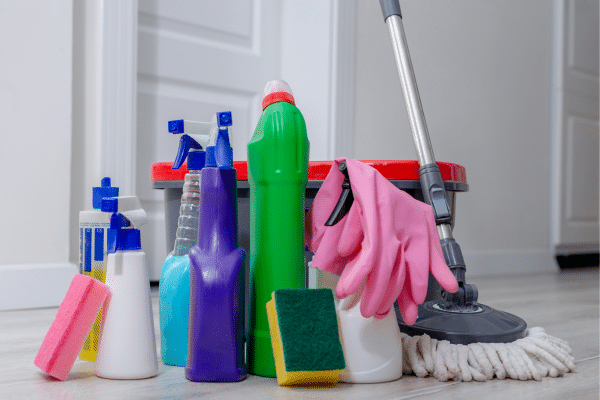
Navigating the cleaning aisle at your local store can be overwhelming, with countless products claiming superiority. Despite the marketing hype, not all cleaning products are suitable for every task or surface. Using the wrong solution can not only be ineffective but also potentially damaging. For instance, an abrasive cleaner might scratch a delicate surface, or a product with bleach could discolor fabrics. It’s essential to understand and match the cleaning agent to the job at hand to ensure efficiency and avoid unnecessary harm.
Apart from the immediate concerns of damage or inefficiency, there’s a broader issue at play: the environment and personal health. Many cleaning agents contain chemicals that, if used excessively or inappropriately, can be harmful. Frequent exposure to these chemicals can lead to skin, respiratory, or eye irritations. Moreover, when washed down the drain, they can contribute to environmental pollution. Opting for environmentally friendly products or being more discerning in product selection can mitigate these concerns.
Ignoring “High Touch” Areas

In every home or office, certain spots are touched more frequently than others. Think of doorknobs, light switches, or appliance handles. While these “high touch” areas might seem insignificant, they become hotspots for germs and bacteria due to their frequent contact. Yet, often, these spots are overlooked during routine cleaning. By not giving them due attention, there’s a risk of facilitating the spread of germs, leading to potential health issues, especially during flu season or in the midst of a viral outbreak.
Ensuring that these areas are cleaned and sanitized regularly can make a significant difference in the overall health of a household or workspace. It’s not just about tackling visible dirt; it’s about addressing the invisible threats that lie in wait. In today’s world, where health and hygiene are paramount, paying attention to such details is not just good practice; it’s a necessity.
Good article. I agree with all of it.
Good article I agree with all of it. Also after you clean the sink you can put a small amount of Baby Oil on a paper towel and that puts a wax on the sink and it does not get as dirty as fast without the baby oil.